


Two-Day Session at NEOC
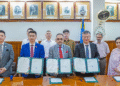
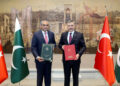
NDMA, US Hold Consultative Session on Disaster Preparedness during a two-day interactive meeting at the National Emergencies Operations Centre (NEOC) in Islamabad. The discussions aimed to boost joint preparedness through technology-driven rescue measures, advanced early warning systems, and innovative risk financing mechanisms.
On day one, the U.S. delegation was led by Natalie Baker, Deputy Chief of Mission, along with Lieutenant General Patrick Frank, Commander of US ARCENT. The second day included Ivana Vuco, Disaster Expert for Asia, and her team from the U.S. State Department.
NDMA’s Advanced Disaster Management Framework
Chairman NDMA, Lieutenant General Inam Haider Malik, briefed participants on NEOC’s role in hazard management, early warning alerts, coordinated relief, and anticipatory action. He emphasised Pakistan’s growing international outreach in disaster relief.
The briefing highlighted the Comprehensive International Simulation Exercises (CISE), which engage global and regional partners for resilience building. Other discussions focused on contingency funds, insurance-based risk financing, and technology-led search and rescue. Early warning systems during the 2025 floods were praised for enabling mass self-evacuations, saving thousands of lives.
U.S. Recognition and Joint Collaboration
Natalie Baker praised NDMA’s proactive disaster management framework, noting its technological innovation and leadership in international collaboration. She reaffirmed the U.S. commitment to support Pakistan with logistics, expertise, and humanitarian assistance, especially in the wake of the 2025 floods.
Lieutenant General Patrick Frank commended NEOC’s central role in mitigating hazards. An interactive session followed, where NDMA and U.S. experts aligned technological tools, exchanged best practices, and refined joint response protocols.
Commitment to Regional Resilience
The session concluded with both sides reaffirming their commitment to deepen cooperation in Disaster Risk Reduction (DRR) and expand CISE initiatives. This collaboration aims to strengthen resilience against escalating climate challenges and ensure rapid, coordinated responses in times of crisis.
Related stories: