


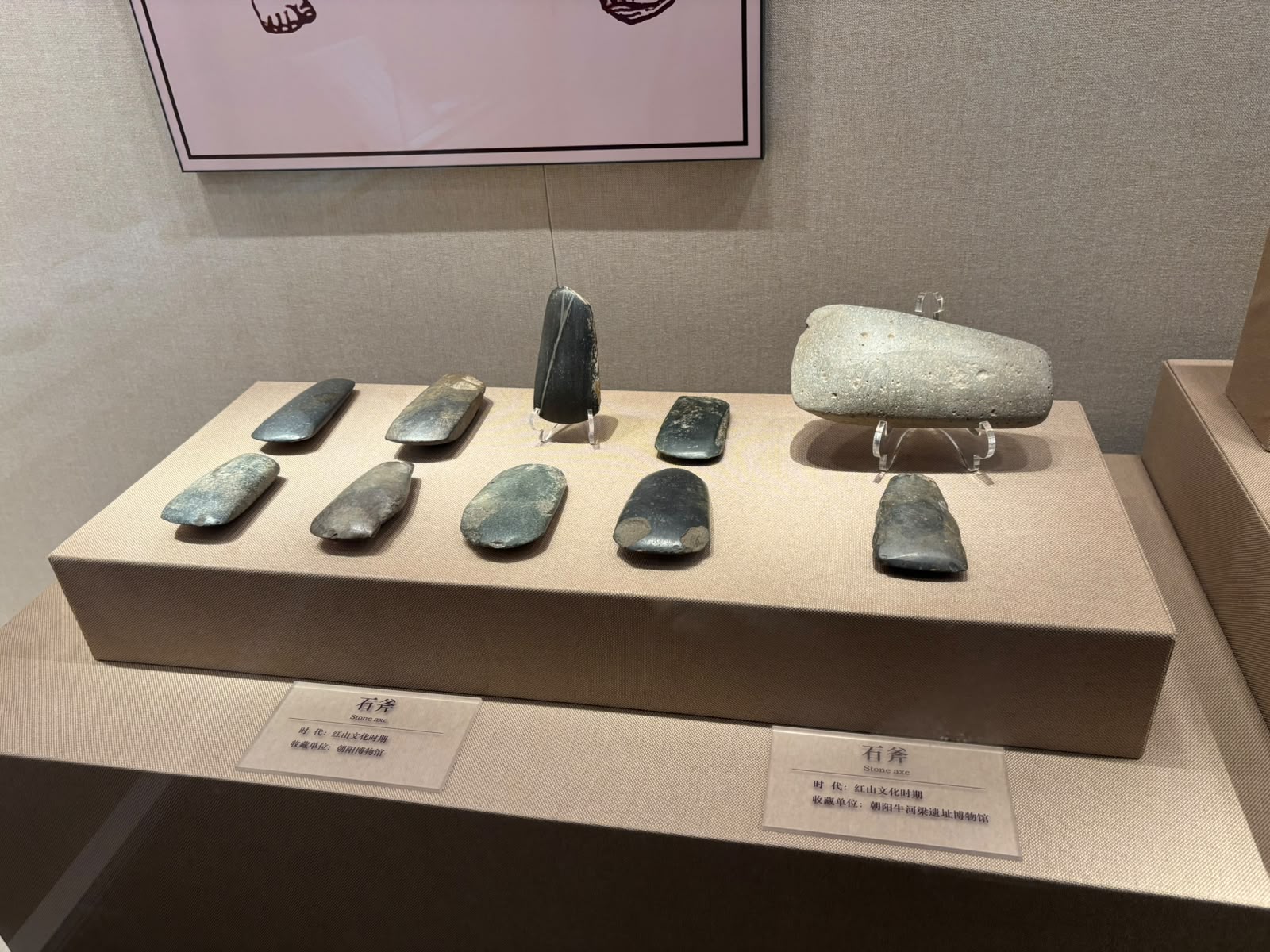
The Niuheliang Site, one of the most significant archaeological discoveries of Hongshan Culture, offers valuable insights into the beliefs, rituals, and social organization of a civilization that flourished around 5,000 years ago.
Archaeologists regard the site as an important window into early Chinese civilization because of its unique stone tombs and the earliest known ancestral temple discovered in China.
Stone Tombs Reflect Early Social Hierarchy
Ancient Chinese people referred to raised grave mounds as “Zhong.” Based on this tradition, archaeologists describe the stone-built tombs at Niuheliang as “Jishi Zhong,” or stone tombs.
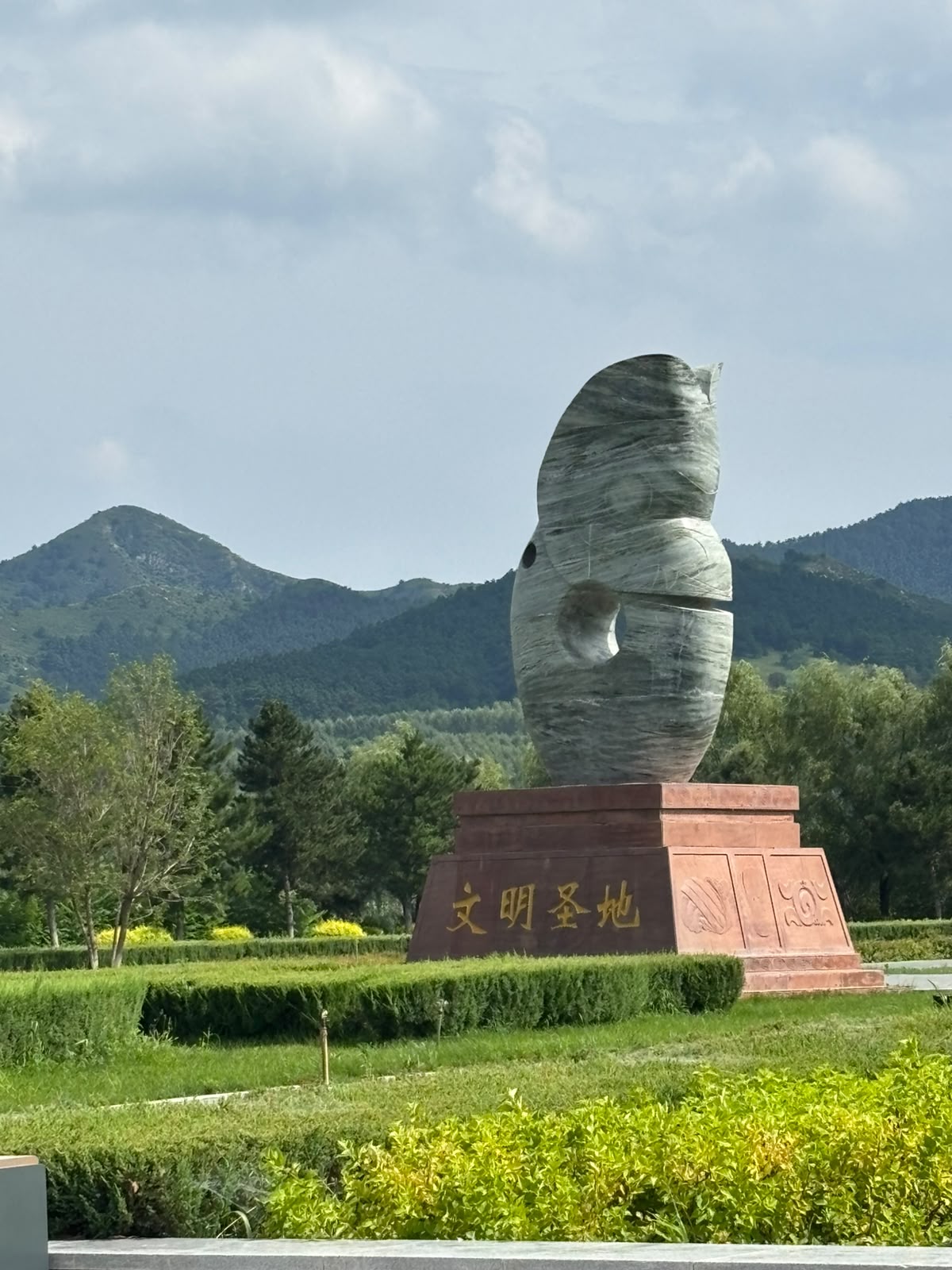
The tombs stand on moderately elevated hills and feature flagstone roofs covered with layers of stone. Rows of upright pottery cylinders surround each structure, while multiple burial chambers lie inside.
Moreover, the chambers contain only jade burial objects, highlighting the cultural and ceremonial importance of jade in Hongshan society.
Researchers classify the tombs into three categories: central tombs, stepped tombs, and masonry tombs. The central tombs represent the highest rank and symbolize royal authority. Consequently, scholars believe these burials reflect the early concept of kingship and political hierarchy.
China’s Earliest Known Ancestral Temple
The Niuheliang Site is also home to the Goddess Temple, widely recognized as the earliest known ancestral temple discovered in China.
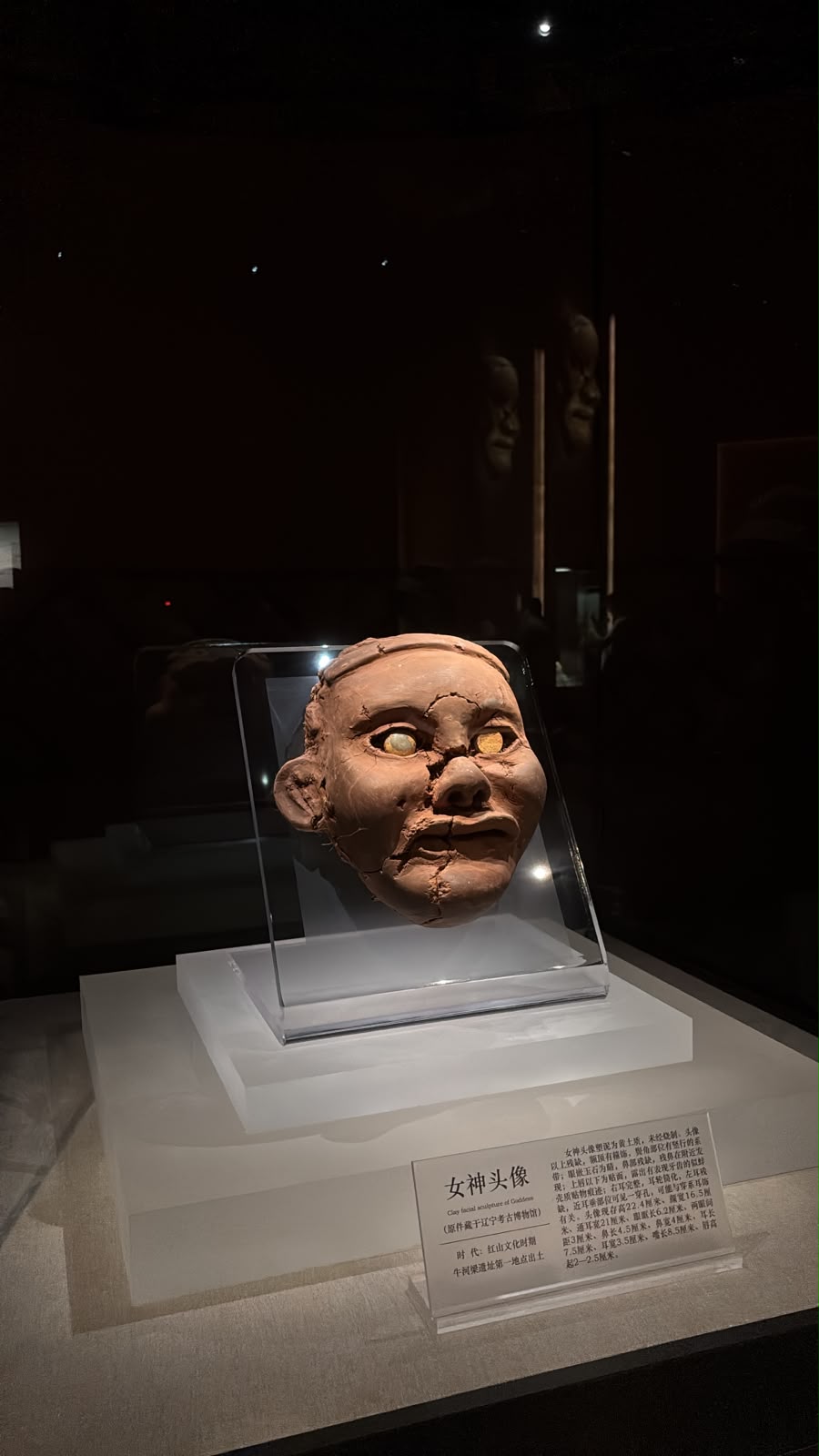
The temple’s most remarkable discovery is a well-preserved clay female head. Archaeologists believe ancient residents worshipped the figure as a goddess, demonstrating an important shift in spiritual beliefs.
Instead of focusing solely on nature and totem worship, the Hongshan people gradually embraced ancestor worship. This transformation marked a significant stage in the development of early Chinese religious traditions.
A Symbol of Shared Ancestry
Renowned archaeologist Su Bingqi described the unearthed female figure as the ancestress of the Hongshan people and a shared ancestor of the Chinese nation.
His interpretation highlights the cultural significance of the Goddess Temple and its role in understanding the origins of Chinese civilization.
A Lasting Archaeological Legacy
Today, the Niuheliang Site continues to provide important evidence of the advanced spiritual beliefs, burial customs, and social structure of Hongshan Culture.
Furthermore, its stone tombs and ancestral temple remain among the most important archaeological discoveries for studying the early development of civilization in northeastern China.
Read More Articles:
Pakistan, China Boost Security Ties