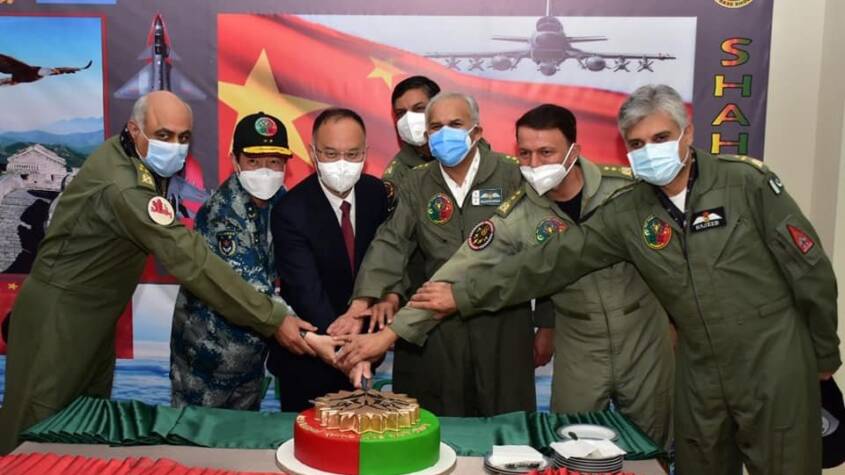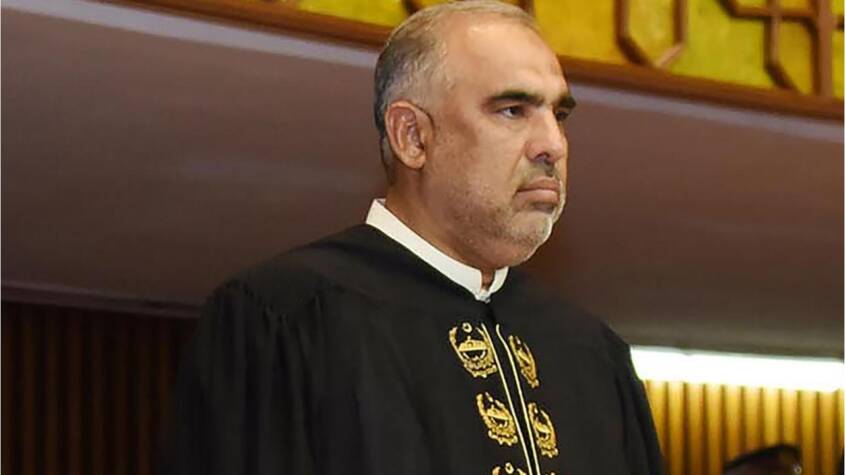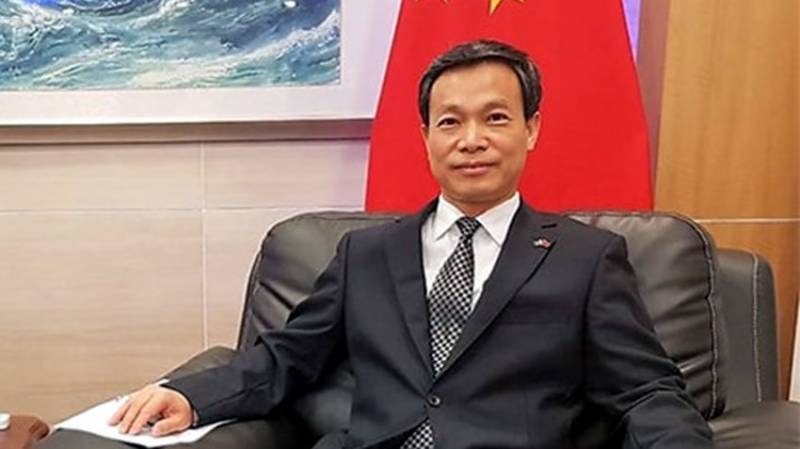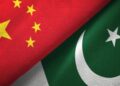

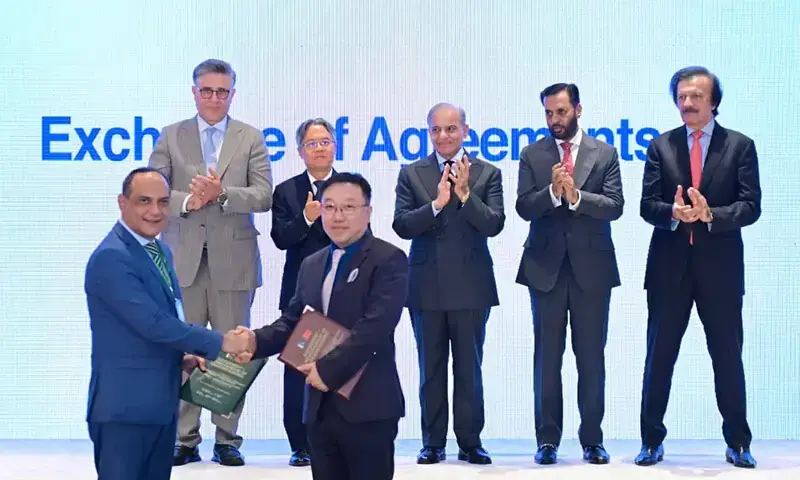
Pakistan and China have signed pharmaceutical and healthcare deals worth $850 million. The agreements were announced at the close of a two-day conference in Islamabad, and officials are calling it a major step for Pakistan’s healthcare industry.
What Happened at the Conference
The event was the Pakistan-China Pharmaceutical and Healthcare B2B Investment Conference, held over two days in Islamabad on July 17–18, 2026. Business leaders, officials, and health experts from both countries attended. On the final day, Federal Health Minister Syed Mustafa Kamal briefed the media on the results. He said 16 contracts and 80 memoranda of understanding (MoUs) had been finalised. Of the total, contracts worth $600 million were signed, along with MoUs worth another $250 million, for a total of $850 million in agreements. Mustafa Kamal called it a key economic milestone, marking a new stage in healthcare cooperation between the two countries.
Herbal Medicine Gets Special Attention
Of all the deals signed, 18 were tied to herbal medicines, a notable share of the total. Herbal medicine has long been an important field in China, and Pakistan now appears to be growing its own interest in this area. These agreements could help build stronger supply chains and research links in natural and traditional health products. Pakistan already has a sizeable pharmaceutical manufacturing base of its own, with hundreds of local companies producing finished medicines for the domestic market. The gap has always been further upstream, in the raw chemical ingredients, known as active pharmaceutical ingredients, that go into those finished products. Most of that supply currently comes from abroad, which is exactly the gap these new deals are meant to help close.
Reducing Dependence on Imports
A central goal of the conference was to boost local production inside Pakistan, including health equipment and wider investment in the sector. Pakistan currently imports 90 percent of its pharmaceutical raw materials, according to the minister, leaving its medicine supply exposed to global price swings and disruptions. The new agreements aim to change that picture. Chinese companies have agreed to help Pakistan produce raw materials domestically. If this plays out, it could lower medicine prices at home and reduce Pakistan’s exposure to global supply shocks.
A Priority on Local Vaccines
Vaccines were another major topic. Pakistan currently imports 13 different vaccines, a high cost for the country’s health budget. Mustafa Kamal shared a sobering projection: the cost of imported vaccines could climb to $1.2 billion by 2030 if nothing changes.
To address this, the minister said building local vaccine manufacturing capacity is now a priority. Doing so could help Pakistan save foreign exchange and reduce its dependence on imports during health emergencies. Discussions at the conference also covered local manufacturing of medical devices, another area where Pakistan currently relies heavily on imports. Items like syringes, diagnostic kits, and basic hospital equipment are often brought in from other countries, adding to Pakistan’s overall import bill in the health sector and leaving hospitals exposed to delays whenever global shipping or supply chains are disrupted.
Clinical Trials and Regulatory Reform
Officials also discussed ways to promote more clinical trials within Pakistan, which could open the door to new drug research and development in the country. Alongside this, Pakistan’s drug regulator, DRAP, is working on reforms that include digitising its licensing process, a change that could make it easier and faster for companies to bring new medicines to market.
There is also a longer-term goal. Pakistan is targeting World Health Organization Maturity Level 3 (ML3) accreditation for its drug regulatory system by April 2027. The WHO uses this maturity scale to assess how well a country’s regulatory system checks drug safety, quality, and manufacturing standards. Reaching ML3 would signal that Pakistan’s regulatory framework meets recognised international benchmarks, which matters for two reasons. It would make it easier for foreign companies, including Chinese firms, to trust Pakistani-made products. It could also open wider access to global markets for Pakistani pharmaceutical exports, since many countries prefer to import from regulators with strong WHO ratings.
Why It Matters
These deals arrive at an important moment for Pakistan’s healthcare sector, which has faced repeated medicine shortages and price hikes tied largely to its reliance on imported raw materials and finished products. If the agreements move forward as planned, local production of raw materials and medical devices could ease Pakistan’s import bill and create new jobs in the sector. Growing local vaccine manufacturing capacity carries particular weight, since it would give Pakistan more control over its own health security during global disruptions. For China, the deals offer a chance to expand its pharmaceutical footprint in South Asia, gaining both access to Pakistan’s healthcare market and a base to serve the wider region.
Part of a Bigger Trend
This conference is not an isolated event. It fits into a wider pattern of growing Pakistan-China economic cooperation in 2026, with trade forums, investment conferences, and B2B meetings between the two countries becoming more frequent this year. Many of these increasingly touch on health, technology, and manufacturing rather than the large infrastructure projects that once defined the relationship.
Officials from both sides have described this as a natural next stage for the partnership. After years of building roads, power plants, and ports under the China-Pakistan Economic Corridor, both governments appear keen to show that the relationship can also deliver benefits people feel directly, such as more affordable medicine or a steadier vaccine supply.
With $850 million in agreements, 16 contracts, and 80 MoUs, the scale of commitment from this conference is significant. Few recent Pakistan-China events in the health sector have matched this scale, and the figures alone signal that both governments see pharmaceuticals as a priority area going forward, not a side note to the wider economic relationship. Turning these plans into working factories, trained staff, and functioning supply chains will take time and follow-through from both governments and private companies. If it succeeds, Pakistan stands to gain real progress on medicine prices, vaccine security, and local manufacturing, making this pharma push one of the more consequential outcomes of Pakistan-China cooperation this year.
Read More Article:
Pakistan and China Sign 5 New Deals in Guangzhou
Pakistan SCO Chairmanship and What It Means for China Relations