


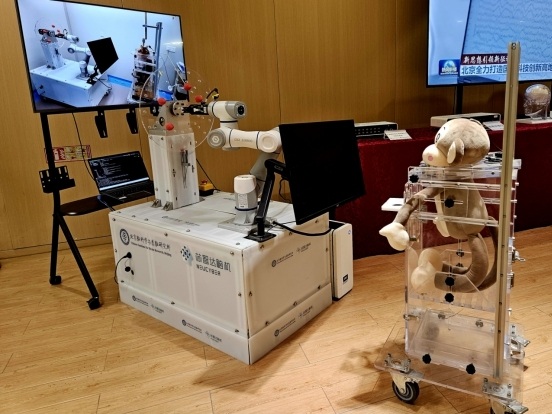
Since February 2025, China has achieved a major breakthrough in brain–computer interface (BCI) technology. Teams at Peking University First Hospital, Xuanwu Hospital, and Tiantan Hospital, in collaboration with the Chinese Institute for Brain Research (CIBR) and NeuCyber NeuroTech, completed six successful semi-invasive BCI implantations. Patients have regained significant mobility, including paraplegics walking with aid after rehabilitation training using the NeuCyber Matrix BMI System.
China has elevated BCIs to a national industrial priority, with seven government bodies releasing guidelines to promote BCI innovation. By 2027, the country aims to achieve key technological milestones, expand clinical and industrial adoption, and develop new applications across healthcare, manufacturing, and consumer sectors. By 2030, China plans to cultivate globally influential BCI enterprises and establish a safe, reliable industrial ecosystem.
While BCIs hold transformative potential, technical and ethical challenges remain. Invasive devices offer precise neural decoding for medical rehabilitation, whereas non-invasive BCIs serve niche consumer applications. Chinese research teams emphasize restorative medical outcomes, ethical oversight, and long-term device stability. The BCI market is forecasted to grow from $2.6 billion in 2024 to $12.4 billion by 2034, signaling China’s strong trajectory in responsible neurotechnology innovation.
Related stories: