


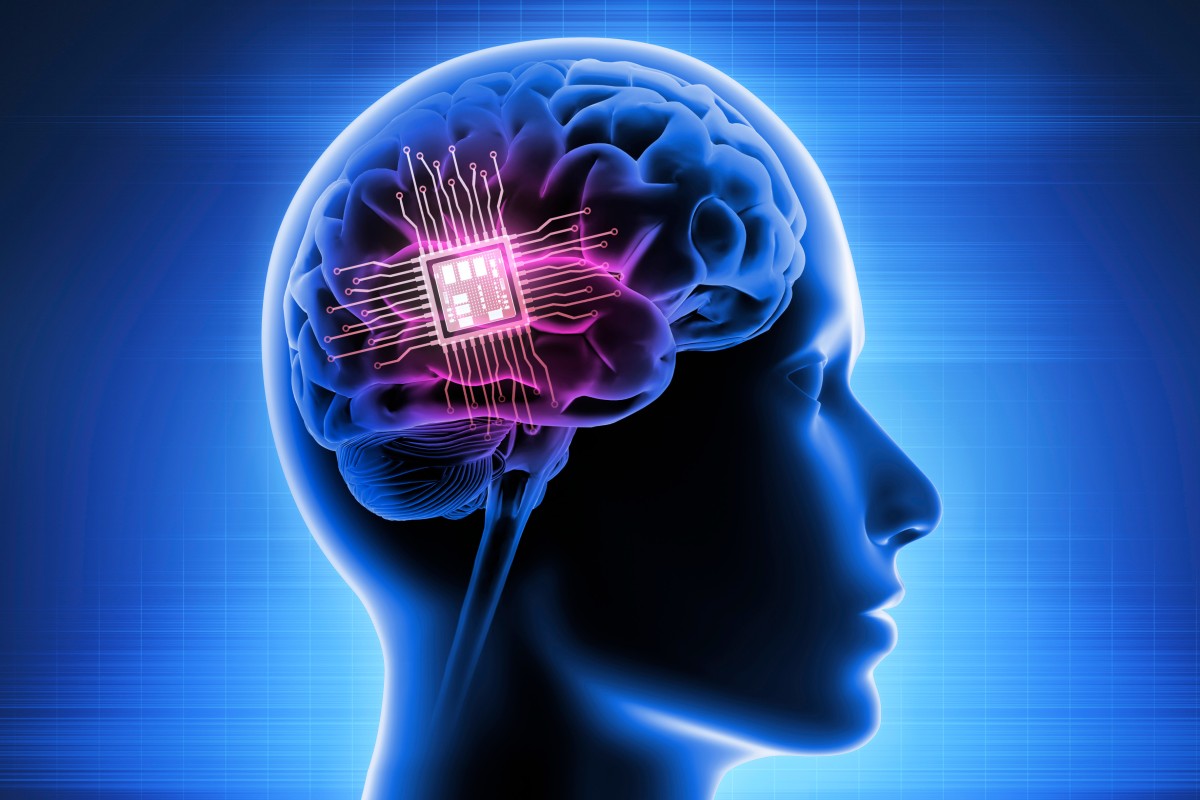
China is rapidly advancing in brain-computer interface (BCI) technology, which enables direct communication between the brain and external devices through thought alone. The country has unveiled a detailed roadmap aiming to achieve major technological breakthroughs by 2027, positioning itself as a global leader in BCI innovation by 2030.
China plans to establish a robust industrial ecosystem featuring two or three world-leading companies, supported by specialised firms offering cutting-edge products. Analysts attribute China’s advantage in this race to its mature medical infrastructure and strong, consistent policy support.
Significant progress is already benefiting patients. At Beijing’s Xuanwu Hospital, a semi-invasive BCI device has enabled a patient with amyotrophic lateral sclerosis (ALS) to communicate by decoding over 60 commonly used Chinese words. This device uses independently developed flexible cortical electrodes capable of simultaneously capturing signals from 128 channels, ranking it among the most advanced worldwide.
In Sichuan Province, BCI technology assisted surgeons in successfully removing brain tumour tissue from a glioma patient. By placing electrodes on the brain surface during surgery, doctors distinguished tumour cells from healthy neurons in real time, allowing for precise removal without damaging vital brain functions.
With over a century of development, BCI technology is expanding beyond healthcare into education, gaming, and industrial applications. Global market forecasts by McKinsey predict the BCI medical sector to reach $40 billion by 2030 and soar to $145 billion by 2040. China’s BCI market alone is expected to grow from 3.2 billion yuan in 2024 to 6.1 billion yuan (approximately $854 million) by 2028, according to CCID consulting.
Despite rapid advancements, challenges remain, particularly in developing core components like interface electrodes. China’s recently released roadmap emphasises key priorities, including breakthroughs in implantable electrodes targeting different brain regions, high-speed brain signal collection chips, and improved software for brain signal encoding and decoding.
The roadmap also outlines plans to boost BCI applications in industrial manufacturing, healthcare, and consumer sectors. Workers in high-risk industries such as nuclear energy, mining, and hazardous materials will be early adopters of these technologies. Future applications include real-time neurological monitoring and early detection of disorders, such as driver fatigue.
To support sustainable growth, China will implement standards for BCI technology, enhance ethical research, and establish dedicated institutes and universities to cultivate talent in this emerging field. Local governments in Beijing and Shanghai have already enacted supportive policies on regulation, clinical trials, and industry cluster development.
In March, national healthcare authorities introduced trial guidelines for pricing neurological medical services, including fees for implanting and removing invasive BCI devices. Investment firms like Kaiyuan Securities view China’s BCI sector as a promising opportunity, citing strong synergy between government policies and technological innovation.
China’s accelerated pace and strategic vision reflect its determination to become a leading force in the global brain-computer interface landscape.
Related stories: