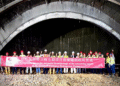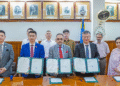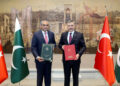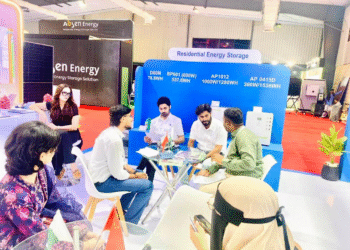


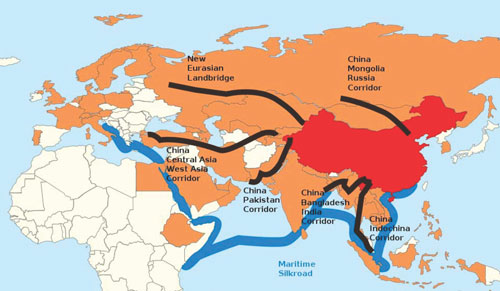
The Belt and Road Initiative (BRI) has entered its 13th year, continuing to expand China’s global infrastructure footprint. Through large-scale investments in ports, railways, airports, and industrial zones, the initiative aims to reduce logistical bottlenecks, enhance trade connectivity, and unlock natural resources. Projects in countries like Indonesia demonstrate the initiative’s scope, supporting industrialization, job creation, and sustainable economic growth.
BRI also prioritizes technological and green development. Investments in renewable energy, digital infrastructure, and industrial modernization help partner countries accelerate their transition to sustainable economies. Chinese companies are actively contributing to smart urban transport, data centers, and energy projects, with a focus on knowledge transfer and local workforce development, thereby strengthening regional cooperation.
The initiative is not limited to physical infrastructure; it also enhances regional supply chains and industrial integration. By linking ports, industrial parks, and digital networks, BRI facilitates smoother trade flows, technology adoption, and economic diversification. While challenges remain, these coordinated investments are gradually shaping long-term resilience, industrial growth, and connectivity across Asia.
Related stories: