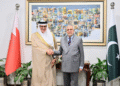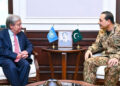


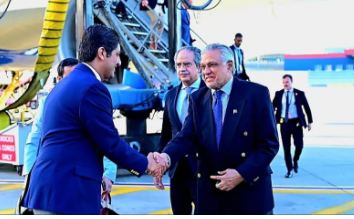
Deputy Prime Minister and Foreign Minister Ishaq Dar’s visit to New York for United Nations meetings reflects Pakistan’s ongoing efforts to navigate a challenging geopolitical environment. Meeting with key figures such as Chinese Foreign Minister Wang Yi and U.S. Secretary of State Marco Rubio, Dar aimed to bolster bilateral relations and promote regional stability. However, the visit also highlights the complexities and contradictions inherent in Pakistan’s foreign policy.
Call for Peace Amidst Regional Tensions
Dar’s engagements at the UN, particularly his call for restraint in the Middle East, underscore Pakistan’s commitment to multilateralism and diplomatic dialogue. Yet, this commitment is juxtaposed against the backdrop of Pakistan’s own internal challenges and its historical ties to regional conflicts. While advocating for peace, Pakistan’s role as a mediator between the U.S. and Iran raises questions about its ability to maintain impartiality, especially given its longstanding relationships within the region.
Navigating Strategic Alliances
The discussions on global governance reform and cooperation with China signal a strategic alignment that could further entrench Pakistan’s position in a bipolar world. While the relationship with China is often portrayed as a partnership of convenience, it risks overshadowing Pakistan’s engagement with Western powers. This duality poses a dilemma: can Pakistan effectively balance its ties with both China and the U.S. without compromising its own sovereignty and interests?
Moreover, Dar’s meetings reflect a broader narrative of Pakistan’s aspiration to be seen as a significant player on the global stage. However, the reality is that these diplomatic efforts often come with the burden of historical grievances and regional tensions. As Pakistan seeks to assert its influence, it must navigate the fine line between ambition and the potential repercussions of its alliances.
In conclusion, Ishaq Dar’s diplomatic endeavors illustrate the precarious nature of Pakistan’s foreign policy, where aspirations for peace and stability must contend with the complexities of international relations and the legacies of past conflicts. The challenge lies in transforming these engagements into meaningful outcomes that contribute to lasting peace, rather than merely serving as a platform for rhetoric.
Read More Articles
US, Pakistan Discuss Cooperation on Critical Minerals