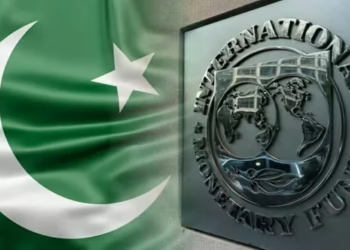

Pakistan has obtained Chinese approval to move forward with a $2 billion Asian Development Bank (ADB)-financed upgrade of the Karachi–Rohri railway line, a key section of the Main Line-1 (ML-1) project, Railways Minister Hanif Abbasi confirmed this week.
The financing arrangement, part of a broader $7 billion consortium including ADB, AIIB, and both governments, marks the most significant development for ML-1 since delays stalled progress nearly a decade ago. The 1,726-km railway upgrade from Karachi to Peshawar is the largest infrastructure scheme under the $60 billion China-Pakistan Economic Corridor (CPEC).
Abbasi emphasised that while alternative financing was being secured, China remained central to project execution. “We took permission from the Chinese and then proceeded with ADB funding. No matter where the money comes from, the Chinese will build it,” he said.
Karachi–Rohri and Reko Diq Link
The 500-km Karachi–Rohri stretch is considered vital for transporting copper and gold from the Reko Diq mine in Balochistan to export hubs. Currently in poor condition with trains running at 40 km/h, the upgrade will allow speeds up to 120 km/h. Feasibility studies are expected by December 2025, with groundbreaking targeted between June and December 2026.
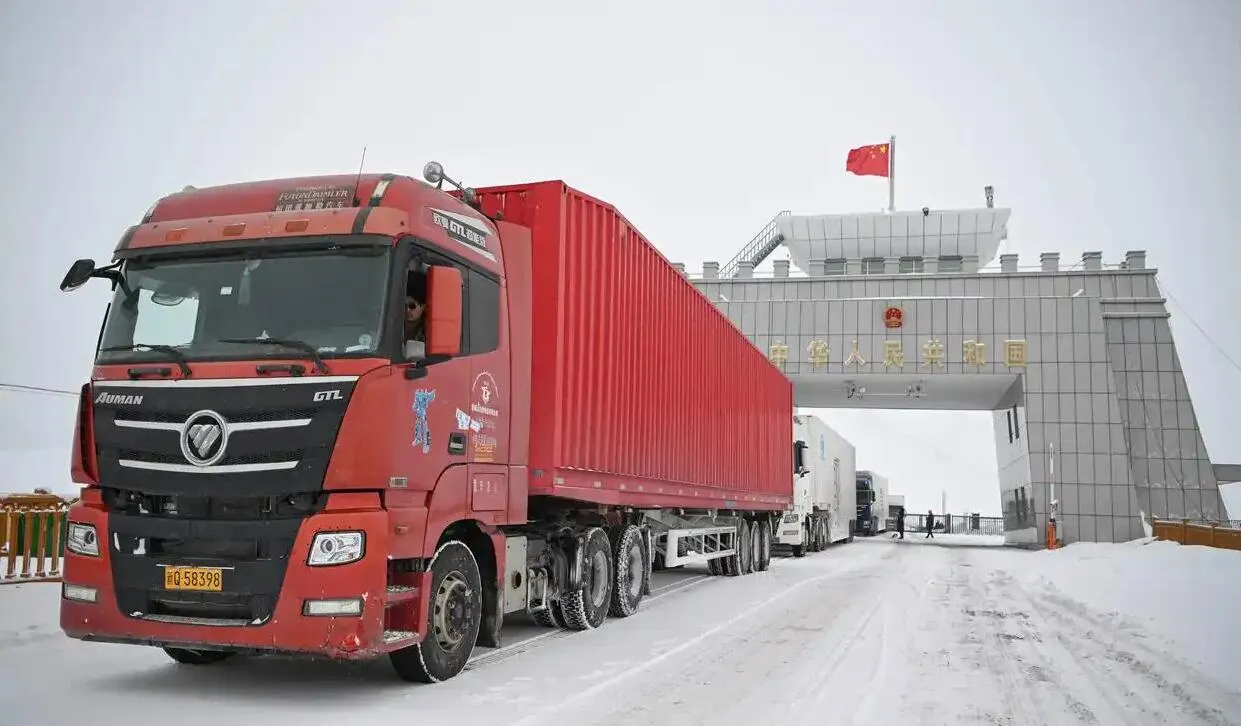
The Reko Diq Mining Company (RDMC), a joint venture between Barrick Gold and Pakistan’s federal and provincial governments, has agreed in principle to provide $390 million for the Rohri–Nokundi link. This 780-km stretch is designed to handle one million tons of copper annually, reducing reliance on truck transport.
Security and Connectivity
Acknowledging security risks in Balochistan, Abbasi said the government would deploy the Federal Constabulary to protect mineral freight lines, similar to existing measures for passenger services.
Beyond ML-1, Pakistan is preparing to revive regional links. The Islamabad–Tehran–Istanbul (ITI) freight train is set to resume in December 2025, while progress continues on the proposed $10 billion Uzbekistan–Afghanistan–Pakistan (UAP) railway. The project, potentially backed by Chinese financing, would give Central Asia access to Pakistani ports and enhance Pakistan’s trade routes to Europe and Russia.
Abbasi underlined that these initiatives are designed to transform Pakistan into a regional trade hub while unlocking the economic potential of its vast mineral resources.
Related stories:
Pakistan, China Form Consortium for $7B ML-1
China Plans Agricultural, Mining Collaboration with Pakistan