
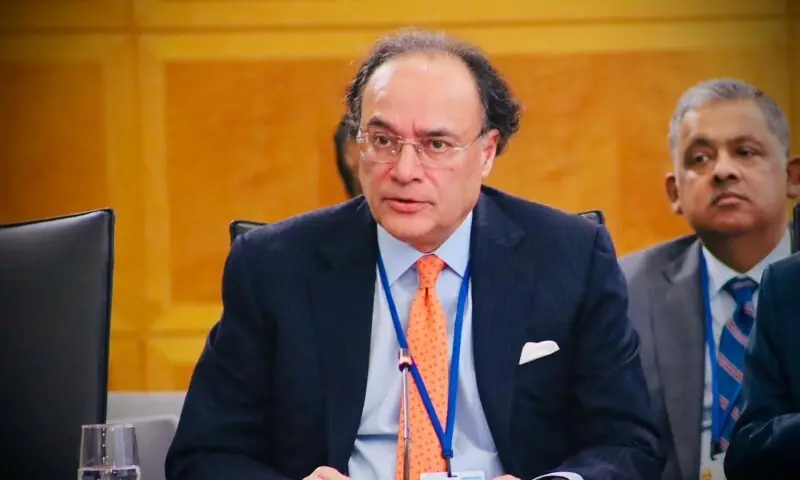
Pakistan’s economy continues to demonstrate resilience despite the devastating monsoon floods that destroyed farmlands and displaced millions. Finance Minister Muhammad Aurangzeb projected 3.5–4 per cent growth for the current fiscal year, driven by IMF support, fiscal reforms, and expanding international partnerships.
Macroeconomic Stability and Reform Progress
Speaking to CGTN America and Bloomberg, Aurangzeb said Pakistan had consolidated macroeconomic stability through fiscal discipline, stronger reserves, and lower inflation.
He noted that floods had severely hit rice and cotton output, but economic growth would remain above 3.5 per cent. “The floods will dent GDP, but growth will stay positive,” he said, calling climate change an existential challenge for Pakistan.
Aurangzeb said Pakistan had made significant progress since the IMF approved its $7 billion loan program last year. The second review under the Extended Fund Facility had been completed successfully, showing the Fund’s confidence in the government’s reform agenda, particularly in taxation, energy, and privatisation. The third loan tranche worth $1.2 billion is expected soon, further supporting stability.
Reserves, Inflation, and Investor Confidence
The finance minister noted that foreign exchange reserves now cover 2.5 months of imports. Inflation has fallen to single digits, and the policy rate has been cut in half.
Credit rating agencies Fitch, S&P, and Moody’s have upgraded Pakistan’s outlook for the first time in three years, showing renewed investor confidence.
Pakistan has also re-entered commercial markets, raising funds from Middle Eastern banks. The country plans to issue its first Panda bond, a $250 million yuan-denominated offering, by late November or early December.
“We’ve tapped dollar and euro markets. Now we’re diversifying into China’s capital markets,” Aurangzeb explained.
Privatisation and Foreign Investment Momentum
The government has revived privatisation efforts, completing its first transaction this year, a UAE-based conglomerate purchased a local bank to expand and digitise operations. The national airline is expected to be privatised before the fiscal year ends.
CPEC Phase 2.0 and Industrial Cooperation
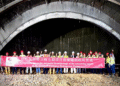
Aurangzeb said Pakistan and China had officially launched CPEC Phase 2.0 after Prime Minister Shehbaz Sharif’s visit to Beijing. The new phase focuses on industrial cooperation, special economic zones, and private-sector investment.
He said the priority sectors include minerals and mining, IT and AI, agriculture, and pharmaceuticals, including local vaccine production with Chinese partners.
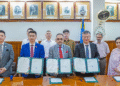
During the visit, 24 joint venture agreements were signed, marking a shift from memoranda to actual projects.
Aurangzeb highlighted the Service–Long March tyre venture as an example of successful collaboration. The project exports 80 per cent of its output and may become the first Pakistan–China joint venture listed on the Hong Kong Stock Exchange.
Digital Transformation and Tax Reforms
Pakistan’s digitalisation drive is improving fiscal transparency and boosting revenue. AI-powered tax analytics have lifted the tax-to-GDP ratio from 8.8% to 10.2%.
“Digitisation is helping us bring the informal cash economy into the formal system,” the minister said.
Trade Diversification and Global Cooperation
Aurangzeb said Pakistan recently secured a 19% tariff arrangement with the United States, offering relief to textile exporters. The rate is significantly lower than India’s 50% tariff, improving Pakistan’s export competitiveness.
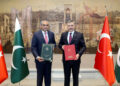
He added that Pakistan is expanding trade ties with Central Asia, including Azerbaijan, Uzbekistan, and Kazakhstan, as part of a regional diversification plan.
Aurangzeb reaffirmed Pakistan’s support for multilateralism and President Xi Jinping’s Global Governance Initiative, stressing that Pakistan values partnerships based on sovereign equality and mutual respect.
Related stories: