
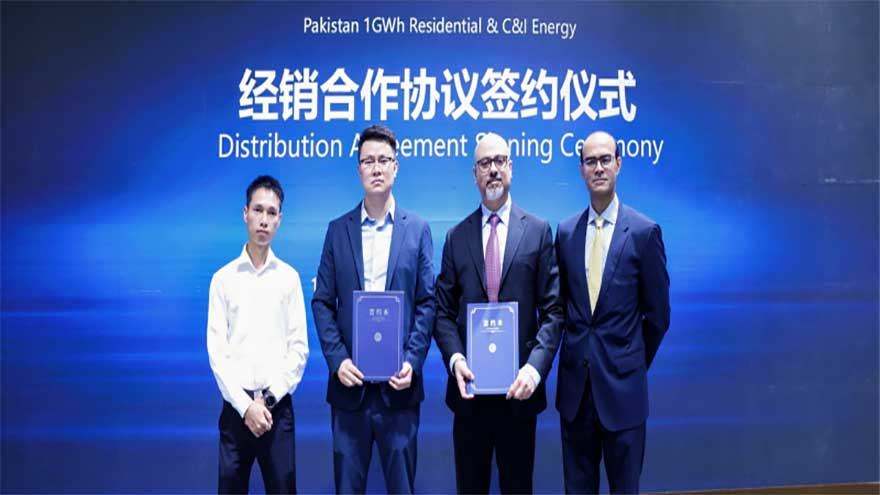
Chinese battery giant Hithium has signed a landmark agreement with Pakistan’s Imperial Electric Company (IEC) to deploy up to 1 GWh of residential and commercial energy storage products across the country, as announced at the China International Energy Storage Exhibition.
The move comes as Pakistan struggles with one of South Asia’s most unreliable power grids, averaging 31 blackouts a month, about 372 outages annually, severely disrupting businesses and households.
Under the deal, IEC will distribute Hithium’s HeroEE home energy storage systems, powered by industrial-grade lithium iron phosphate batteries built for safety, efficiency, and durability in harsh environments. The partnership also aims to co-develop tailored storage solutions to address Pakistan’s specific challenges, including soaring generation costs, weak transmission networks, and heavy dependence on imported fuels.
With a population of over 200 million, Pakistan spends over $14 billion annually on imported oil and gas. Electricity tariffs have surged 155% since 2021, putting immense pressure on households and industries. Hithium claims its HeroEE systems can reduce power costs to as low as $0.05 per kWh, almost one-sixth the cost of diesel-based generation.
“This partnership brings advanced storage technology and reliable solutions to Pakistan, where stable power is desperately needed,” said Reza, IEC’s Group Operations Director.
Echoing the sentiment, Yu Jianyong, Vice General Manager of Hithium’s Residential Storage Division, said: “This is more than a business move, it’s a mission. By combining our technology with IEC’s expertise, we aim to provide Pakistani families and businesses fair access to affordable energy.”
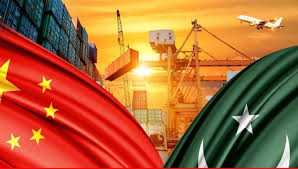
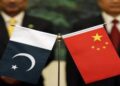
The deal builds on $13 billion in Chinese investment in Pakistan’s energy sector under the broader China-Pakistan partnership. Hithium noted that Pakistan is central to its South Asia strategy, with future expansions likely to include large-scale grid storage and renewable projects.
For Pakistan, the collaboration offers not just equipment but a step toward easing chronic blackouts, reducing costs, and cutting reliance on imported fuel.
Related stories:
Chinese Delegation Eyes Energy Investments, Industry Relocation in Pakistan