
A seed can shape far more than what grows in a field. Chinese seed technology is becoming an increasingly important part of agricultural cooperation between China and Pakistan, with potential implications for crop yields, farmers’ incomes, export earnings and food security. Through hybrid rice research, improved crop varieties and farming partnerships, the two countries are exploring ways to strengthen Pakistan’s agricultural productivity. The bigger question is whether these innovations can move beyond research plots to deliver lasting benefits for farmers, food supply chains and consumers.
In January 2026, Pakistani and Chinese companies signed 79 memoranda of understanding (MoUs). These were worth an estimated $4.5 billion at the Pakistan-China Agriculture Investment Conference. The agreements covered agriculture and related food sectors. However, the announced value represents commitments, not proof that the full amount has been invested or that all projects are operational. The real test will be implementation: which partnerships reach farms, improve productivity and build commercially sustainable businesses?
Chinese Seed Technology in Pakistan’s CPEC 2.0 Agenda
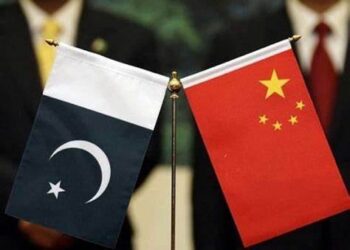
Chinese seed technology has become an important part of the broader CPEC 2.0 agenda. The China-Pakistan Action Plan for 2025–2029 encourages cooperation in crop cultivation, agricultural research, mechanisation, agro-processing, seed technology and drip irrigation. It also supports experimental fields, agricultural modernisation demonstration zones and technical capacity-building in Pakistan.
This direction reflects a challenge that goes beyond the availability of farmland. Pakistan must raise productivity, reduce post-harvest losses and help farmers respond to climate pressures. It also needs stronger links between research, commercial seed production, processing and export markets.
Chinese expertise can contribute to these goals. Yet the results will depend on whether new technologies suit local growing conditions, remain affordable and reach farmers at scale. Research partnerships provide a starting point; effective distribution, training and market access determine whether their benefits spread.
PU-786: Chinese Seed Technology Advances Hybrid Rice Research
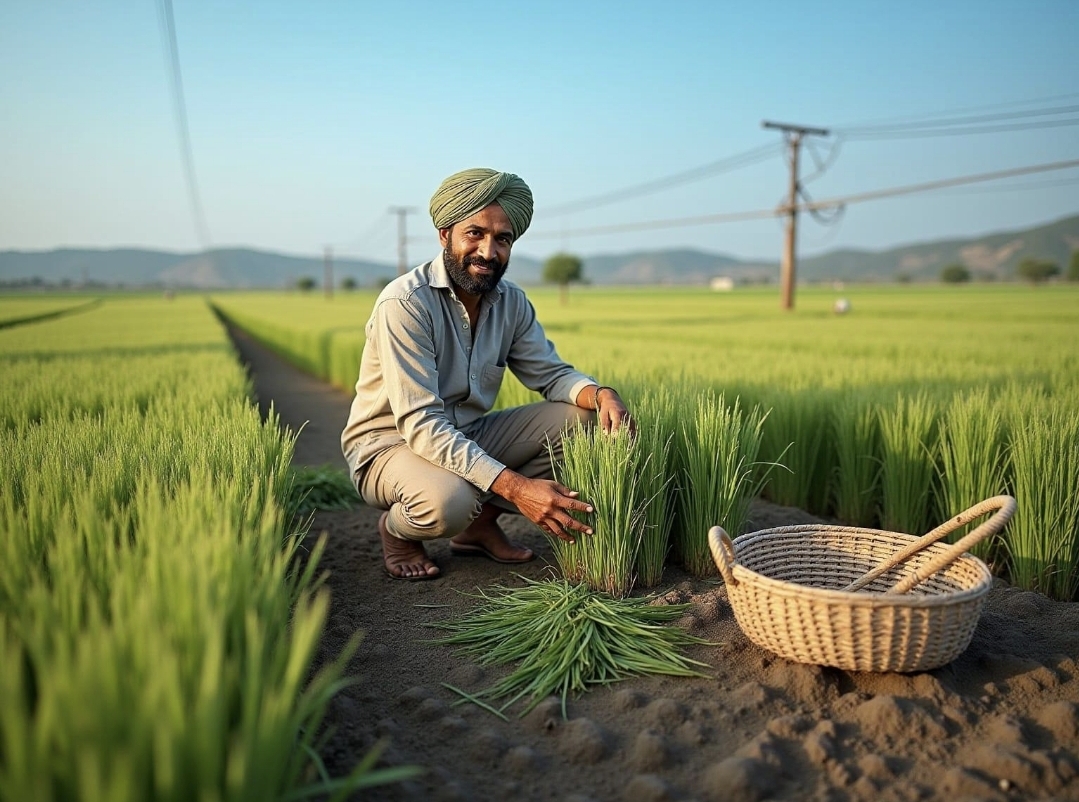
One prominent example is PU-786, a hybrid rice variety developed by scientists at the University of the Punjab and Wuhan University in China. In August 2025, Punjab University reported that the variety could raise yields from approximately 1,600 kilograms to 5,600 kilograms per acre under its reported trials. The university also cited resistance to bacterial disease and tolerance to extreme heat and harmful insects. It said the Pakistan Agricultural Research Council had approved the variety after its technical development phase.
The figures are promising, but they require context. They reflect results reported by the university, not a guarantee that every farmer will achieve the same yield. Field conditions, water availability, seed quality, crop management and local disease pressures can all influence performance. The development of PU-786 illustrates how Chinese seed technology and joint university research could contribute to Pakistan’s hybrid rice sector.
The research has moved towards commercialisation. On 11 March 2026, Punjab University signed an agreement with Pesticon Seeds to commercialise PU-786. The university said the variety could reach 140 maunds per acre, equivalent to about 5,600 kilograms using the standard 40-kilogram maund. It described PU-786 as Pakistan’s first Honglian-type hybrid rice variety.
A further step followed on 30 July 2026, when Punjab University and Wuhan University signed an MoU to establish a Hybrid Rice Research Centre within the university’s agricultural sciences faculty. The proposed centre aims to develop climate-resilient varieties and deepen scientific cooperation. Its eventual impact will depend on research progress, seed multiplication, regulatory requirements and adoption by growers.
China-Pakistan Chilli Farming Connects Technology to Markets
Seed technology is only one part of the agricultural value chain. Contract farming can connect improved inputs with training, production planning, processing and access to buyers.
A report by the Associated Press of Pakistan published on 27 August 2025 described a Pakistan-China red chilli contract-farming project operating across six model farms in southern Punjab and northern Sindh. Project representative Dai Bao estimated that the farms, covering nearly 300 acres, would produce about 700 tonnes of dried chillies. He also reported a sixfold increase in planting area, a sevenfold rise in total output and more than 30 per cent growth in yield per unit area compared with the previous year.
The same report said the project had trained more than 200 local technicians and created nearly 1,000 jobs. It also stated that the dried chillies were shipped to China for further processing. These figures come from the project’s representative and should be understood as reported project outcomes, rather than independently audited results.
The model nevertheless illustrates an important principle. Seed selection alone cannot guarantee higher farm incomes. Farmers also need technical advice, dependable buyers, suitable storage and processing facilities, and access to markets. Where those elements work together, agricultural cooperation can create value beyond the harvest itself. The long-term value of Chinese seed technology will depend on local field performance, affordable seed access, farmer training and reliable routes to market.
Agricultural Technology and Research Strengthen Pakistan-China Cooperation
China-Pakistan agricultural cooperation is also extending into equipment and technology transfer. On 23 July 2026, the Pakistan Agricultural Research Council and China’s FAMSUN Group signed a Letter of Intent to explore a technology display park at PARC. According to the official announcement from Pakistan’s Press Information Department, the proposed facility would support agricultural innovation, research, technology transfer and professional training.
A Letter of Intent signals an intention to cooperate; it does not mean the facility is already operating. Its value will depend on whether it gives farmers, researchers and businesses practical access to relevant technologies and training.
During a visit to China in May 2026, Pakistan’s agriculture minister also held discussions with agricultural-equipment manufacturers in Changzhou. The Ministry of National Food Security and Research said discussions covered mechanisation, advanced machinery, joint ventures and local assembly. These areas matter because outdated equipment can constrain productivity, while imported machinery may remain inaccessible to smaller farmers without suitable financing, maintenance services and technical support.
Can Chinese Seed Technology Benefit Pakistani Farmers and Consumers?
It would be premature to claim that Chinese seed technology has already transformed food prices or consumer choices across Pakistan. The available evidence does not establish a nationwide effect of that scale.
The potential pathway is nevertheless clear. Improved seeds may raise yields under suitable conditions. Better storage and processing can reduce losses and extend market access. Contract farming can link growers to buyers, while mechanisation may change production costs and labour needs. These effects can influence food availability and prices, but the outcome depends on the performance of the entire supply chain.
Pakistan should therefore assess agricultural partnerships against practical indicators. These include verified yield changes, farmer income, seed availability and affordability, water use, post-harvest losses, local processing, export performance and the number of farmers who adopt the technology. Transparent reporting would help distinguish promising pilots from projects that deliver sustained results.
The strongest approach would combine Chinese research and investment with Pakistani universities, seed companies, farmers, processors and public institutions. It should also ensure that smaller growers can access the technology, rather than allowing its benefits to remain concentrated among a limited number of commercial farms.
The journey from a laboratory seed to food on a Pakistani table is long. CPEC 2.0 can help shorten that distance if it connects scientific research with affordable inputs, farmer training, processing capacity and reliable markets. The success of the agricultural corridor will ultimately depend not on the number of agreements signed, but on what Pakistani farmers can grow, what businesses can process and what consumers can access.
Related Stories
- Can Joint Research With China Make Pakistani Agriculture More Resilient? — How joint research is targeting climate-resilient crops, drought resistance and precision irrigation.
- Punjab University Commercializes Pak-China Hybrid Rice — A closer look at the commercialisation of PU-786 and its potential for Pakistan’s rice sector.
- Pakistan and China Strengthen Agricultural Research Cooperation — How bilateral research partnerships aim to improve agricultural innovation and food security.
- Pakistan China Chilli Project Doubles Farmers’ Income — Reported farmer income gains from Chinese-backed chilli contract farming.
- Chinese Chili Project Partners With Local Farmers for 10,000 Acres of Chili Cultivation — How seed supply, farmer training and contract farming connect Pakistani chilli growers to export markets.