
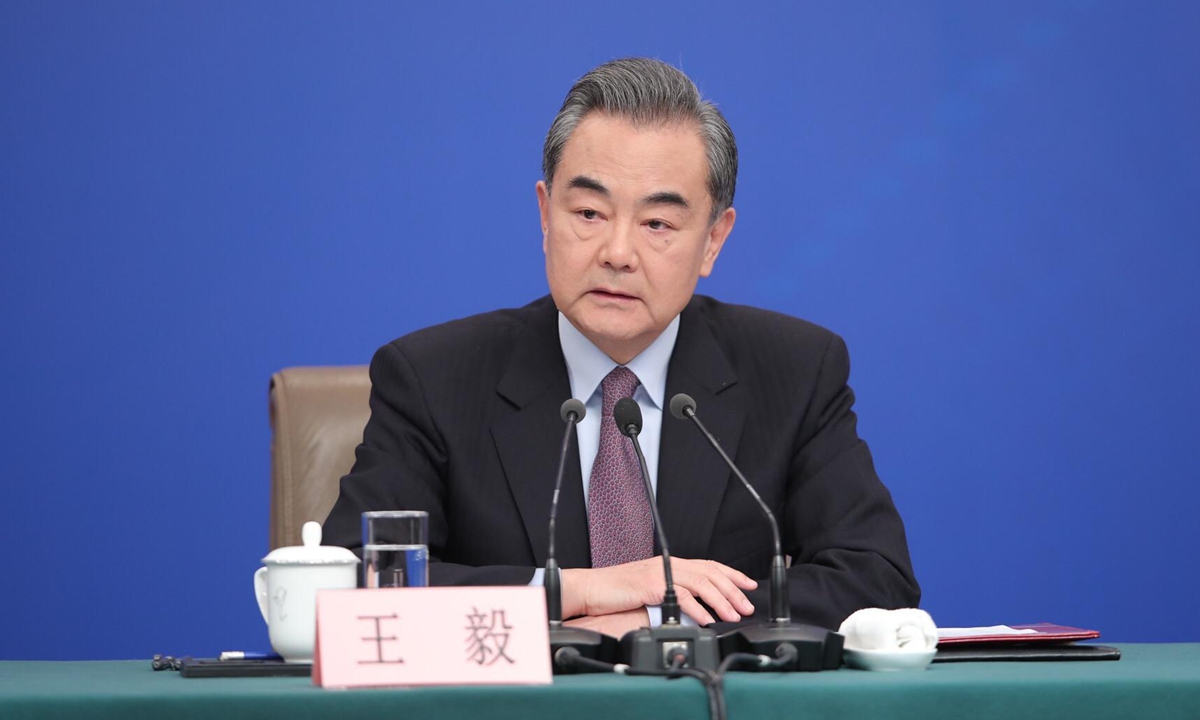
Chinese Foreign Minister Wang Yi concluded a five-day trip to Austria, Slovenia, and Poland, aimed at consolidating China’s partnerships in Central Europe and boosting cooperation with the European Union (EU).
During the visit, leaders of the three nations reaffirmed their commitment to stronger ties with Beijing, welcoming Chinese investment and pledging to maintain high-level dialogue. Wang emphasised expanding green and practical cooperation with Austria and Slovenia, while advancing Belt and Road projects and transport connectivity with Poland. The two sides issued the Fourth Meeting of the Poland-China Intergovernmental Committee Joint Conclusions, highlighting cooperation on rail links, air transport, and trade in dual-use items, including rare earths.
Wang reiterated that China and Europe should act as partners, not rivals, opposing arbitrary tariffs and unilateral economic pressure. He underscored China’s stance on neutrality in the Russia-Ukraine conflict, calling for peace talks instead of war and sanctions. In Slovenia, Wang stressed that none of Europe’s current problems stem from China, urging the EU to maintain constructive engagement.
Marking the 80th anniversary of the victory of the World Anti-Fascist War, Wang reminded that Taiwan’s return to China was part of the post-war settlement, warning that any attempt to promote “Taiwan independence” would fail.
Experts note the visit reflects Beijing’s broader strategy to deepen ties across both Western and Eastern Europe amid heightened global uncertainty. Central and Eastern European nations, often in need of investment and technology, see China as a key partner for modernisation. Analysts also view Wang’s trip as strengthening trust and shaping a more balanced foundation for future China-EU relations.
Related stories: