

China and the European Union (EU) are strengthening their partnership in green development and sustainable innovation, positioning themselves as a driving force in the global transition to a low-carbon future.
Shared Climate Vision
With China targeting carbon neutrality by 2060 and the EU aiming for 2050, both economies are aligning their strategies to accelerate decarbonization. Their cooperation spans clean energy, green technology, and sustainable infrastructure, forming a solid foundation for industrial and policy coordination.
Experts say this alignment not only boosts global climate governance but also adds certainty and momentum at a time of geopolitical fragmentation.
Expanding Green Investment
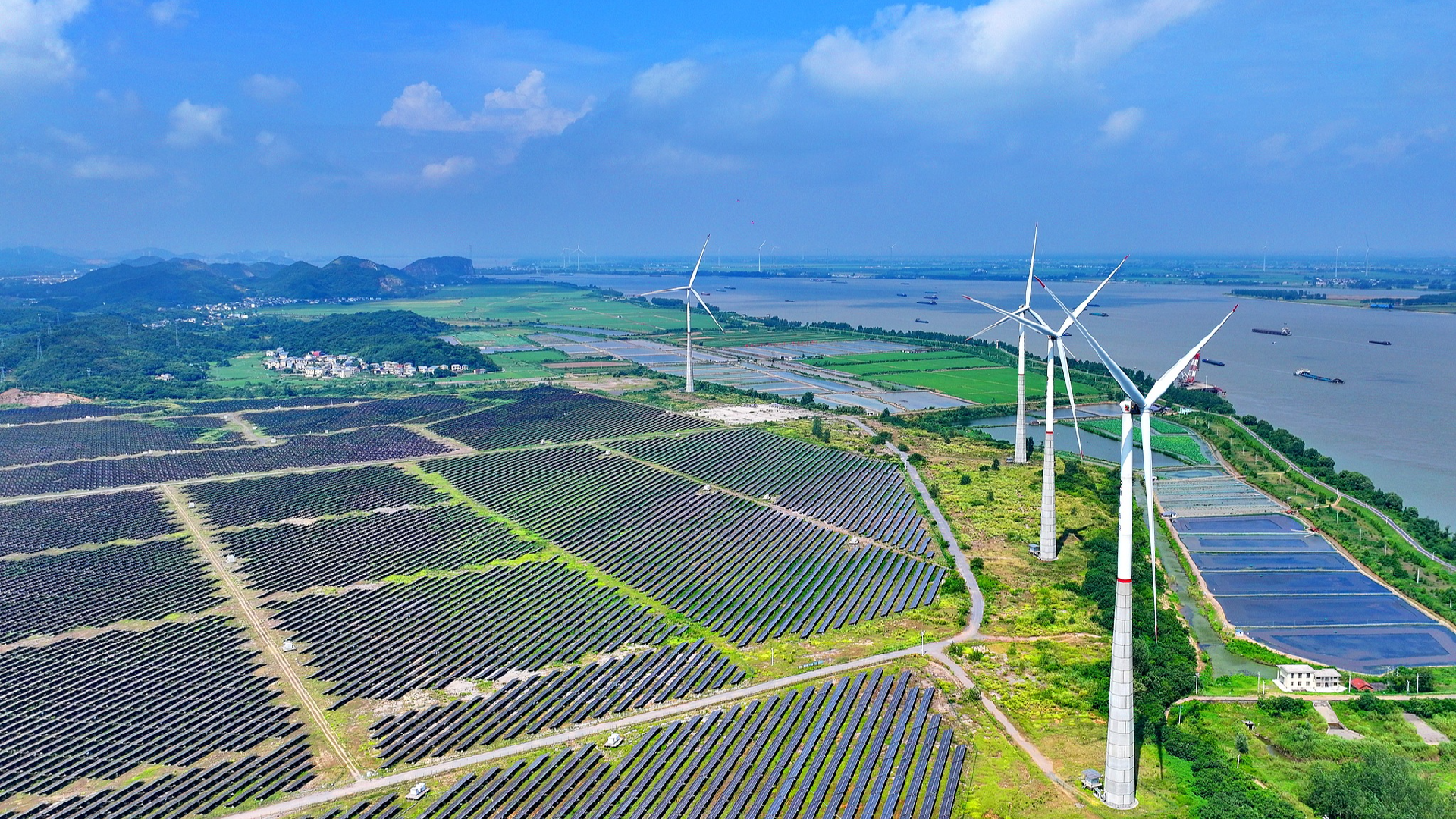
Green industrial engagement between Chinese and European enterprises is accelerating, highlighting a shared commitment to sustainable development. Chinese battery giant CALB has announced a €2 billion investment in a lithium battery plant in Portugal, while CATL is expanding its footprint in Europe with gigafactories in Germany, Hungary, and Spain. Meanwhile, a Chinese consortium is constructing Croatia’s largest solar power facility, the Korlat plant, which is expected to cut carbon emissions by 150,000 tonnes annually.
On the other side, European companies are strengthening their presence in China. Siemens has launched its first industrial ecosystem hub in western China, and Danish energy firm Danfoss has opened a carbon-neutral factory in Nanjing. Danfoss also reported strong growth in China’s data centre and energy storage sectors throughout 2024, reflecting a deepening two-way green investment trend.
Strategic Policy Synergy
Beyond commercial investments, China and the EU have broadened policy coordination with over 70 sectoral dialogues and five high-level platforms. The 2024 launch of the EU-China Roadmap on Circular Economy highlights shared goals in plastics, battery management, and remanufacturing.
Jessika Roswall, EU Commissioner for Environment, emphasised the global importance of China-EU alignment: “We need to strengthen cooperation with China to tackle climate and environmental challenges. Multilateralism must prove its value.”
Complementary Strengths
China’s leadership in solar panels, EV battery innovation, and large-scale manufacturing complements the EU’s edge in wind power, green finance, and environmental policy. Experts argue that this synergy is essential to accelerate the global shift to renewables.
Wang Yiwei of Renmin University noted, “China and the EU offer complementary green advantages. There’s significant room for collaboration in clean transport and energy.”
The EU also operates one of the world’s most sophisticated carbon markets. Analysts suggest deeper alignment with China’s evolving carbon mechanisms could unlock more investment and establish global best practices.
Global Impact and Future Path
Amid trade tensions and geopolitical shifts, the China-EU green alliance serves as a stabilising force. Gianni di Giovanni of the EU Chamber of Commerce in China urged both sides to leverage dialogue mechanisms to address trade barriers and build mutual trust.
Observers agree that the partnership holds global implications, especially for emerging economies seeking sustainable growth paths without repeating the environmental costs of past industrial models.
China-EU green cooperation is increasingly viewed as a blueprint for effective international climate action.
Related posts