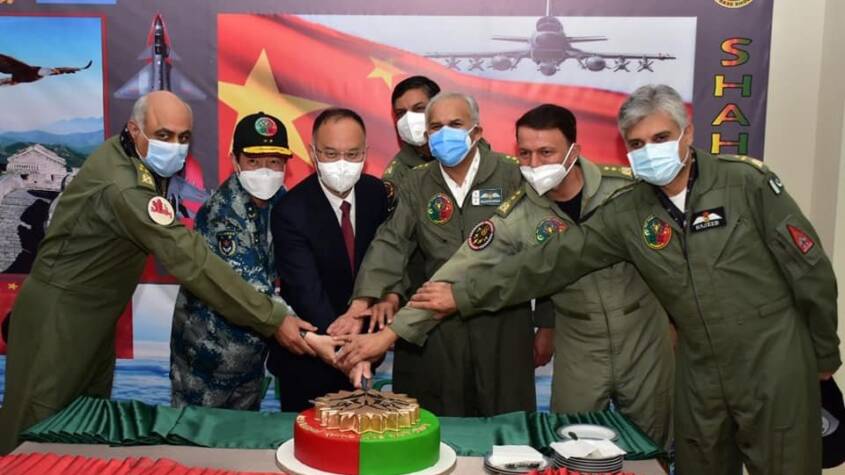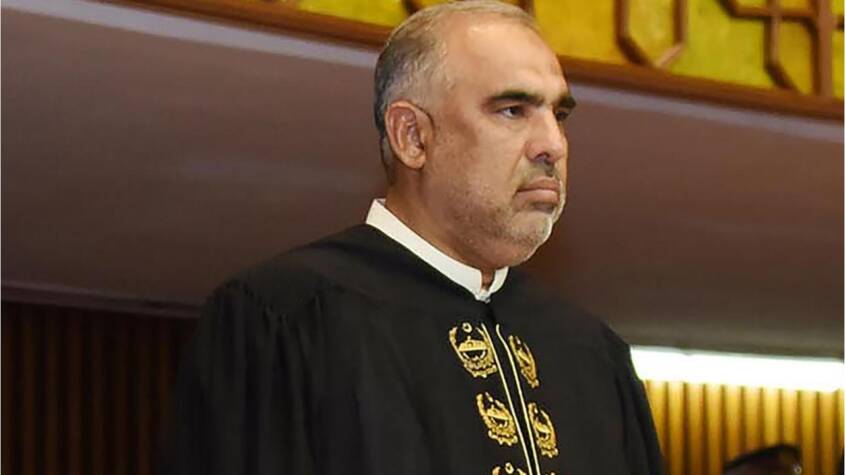

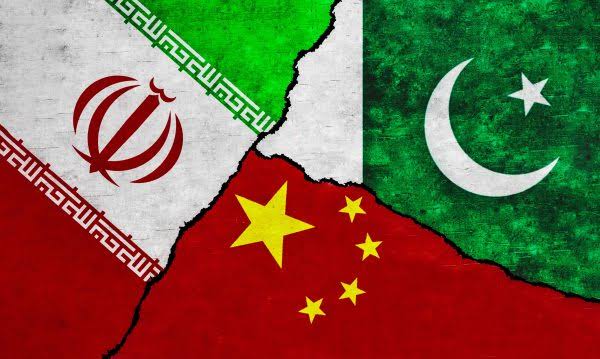
China has steadily expanded its involvement behind Pakistan’s mediation efforts between Iran and the United States. The role has become more visible over the past several months, while Islamabad has remained the public face of the mediation effort.
The two countries have coordinated their positions repeatedly since the conflict began. In July, Reuters reported that Pakistan and Iran were exploring a path toward restarting stalled US-Iran talks following a China-initiated diplomatic push. Pakistani Foreign Minister Ishaq Dar had discussed the effort with Chinese officials during his visit to China.
China’s Foreign Ministry has also publicly backed Pakistan’s role. In July, Chinese Foreign Minister Wang Yi said Beijing would continue to support Pakistan’s mediation efforts while contributing to de-escalation in its own way. China and Pakistan jointly called for a halt to hostilities and a return to negotiations.
The coordination has continued. On September 16, Wang Yi met Iranian Foreign Minister Abbas Araqchi in Beijing and called on Iran and the United States to exercise restraint, return to their interim agreement and resume substantive consultations. He also stressed the need to reopen the Strait of Hormuz to protect global energy transport and supply chains.
Why China Has a Stake in the Outcome
China’s interest in the conflict is closely connected to trade, energy security and maritime routes.
The conflict has disrupted the Strait of Hormuz, one of the world’s most important energy corridors, while instability has also affected routes through the Red Sea and Bab el-Mandeb. For China, which is deeply integrated into Middle Eastern energy and trade networks, prolonged disruption carries direct economic consequences.
China is also Iran’s largest oil buyer. Reuters reported in March that Chinese buyers accounted for more than 80 percent of Iran’s oil exports in 2025, equivalent to around 1.38 million barrels per day. Much of that oil was purchased by smaller independent Chinese refineries, which have continued trading with Iran despite US sanctions.
That economic relationship gives Beijing a practical interest in preventing further escalation.
China’s wider commercial relationship with Iran also extends beyond energy. A Reuters investigation published in September reported that Iranian oil has been exchanged for Chinese goods through a complex sanctions-evasion system involving a China-based entity and an estimated $2 billion to $2.5 billion in transactions. The arrangement illustrates the depth of the economic relationship, while also highlighting its exposure to sanctions and geopolitical pressure.
A Pattern of High-Level Chinese Engagement
Chinese Foreign Minister Wang Yi has engaged directly and repeatedly with Pakistani counterparts over the regional crisis.
In March, Wang and Ishaq Dar discussed the situation in Iran, with Pakistan expressing appreciation for China’s support for its mediation efforts. Wang said China and Pakistan shared a commitment to encouraging negotiations and restoring peace.
The coordination continued in May and June.
In May, Wang commended Pakistan for facilitating US-Iran talks and helping extend a temporary ceasefire. He encouraged Islamabad to intensify its mediation efforts and specifically linked the diplomatic process with restoring navigation through the Strait of Hormuz.
In June, Dar briefed Wang on the first-phase US-Iran memorandum of understanding and thanked China for maintaining close communication with Pakistan. Wang congratulated Pakistan on facilitating the agreement and said both countries had a responsibility to contribute to peace.
On July 16, Wang and Dar met in Shanghai and coordinated their positions on Iran. China described Pakistan as having played an “indispensable coordinating and mediating role” and said Beijing would continue supporting Pakistan’s mediation while contributing in its own way.
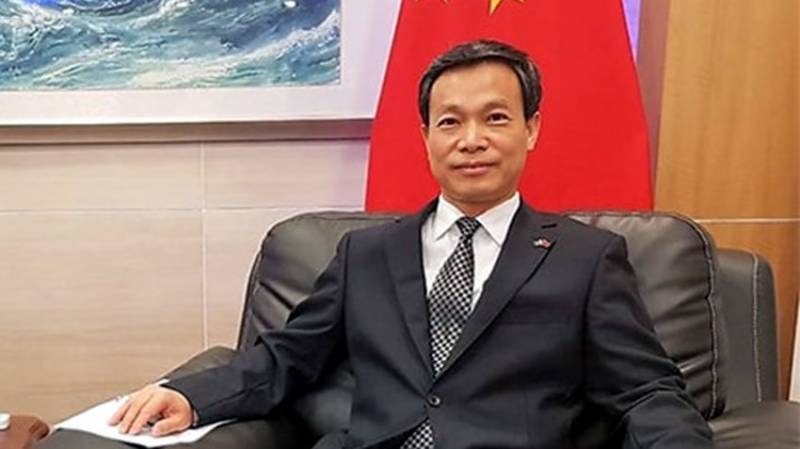
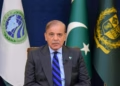
Pakistan has also publicly acknowledged the importance of that coordination. During a July meeting with Chinese Ambassador Jiang Zaidong, Prime Minister Shehbaz Sharif thanked China for supporting Pakistan’s mediation role and expressed willingness to strengthen communication with Beijing over regional peace and stability.
A Long-Standing Model for China’s Regional Diplomacy
China’s involvement in the current crisis also builds on its earlier role in Middle Eastern diplomacy.
In March 2023, Beijing hosted and sponsored talks between Saudi Arabia and Iran that resulted in an agreement to restore diplomatic relations and reopen embassies. The agreement also committed both sides to resolving differences through dialogue and diplomacy.
That experience has become an important reference point for China’s broader diplomatic approach in the Middle East.
Beijing has continued to engage multiple sides rather than relying on a single diplomatic channel. During the current Iran crisis, China has maintained communication with Iran, the Gulf states, Pakistan and other regional actors while publicly supporting negotiations.
This does not mean China and Pakistan have identical roles.
Pakistan has emerged as the more visible mediator between Washington and Tehran, while China has used its direct relationship with Iran and its broader regional diplomatic network to support de-escalation.
Analysts have offered different interpretations of how much influence Beijing exercises behind Pakistan’s mediation. Some see China as providing diplomatic backing and leverage that strengthens Pakistan’s role, while others argue that Beijing is pursuing its own parallel diplomatic track.
The distinction matters because there is no publicly confirmed division of labour in which Pakistan acts solely as the visible intermediary while China directs the wider process.
What the Financial Relationship Adds
Pakistan’s own economic relationship with China adds another layer to the diplomatic coordination.
China has remained a major source of financing and economic support for Pakistan, while Beijing also has a direct interest in stability across the region because of its energy imports, trade routes and wider commercial exposure.
This does not mean Pakistan’s mediation is simply a product of its relationship with China. Islamabad has its own security and economic interests in preventing a prolonged conflict with Iran and protecting relations with Gulf partners.
But the regular consultations between Pakistani and Chinese officials have created a channel through which the two countries can coordinate their diplomatic positions.
China’s public messaging has consistently presented its role as supportive of Pakistan’s mediation rather than competitive with it. Pakistan, for its part, has continued to acknowledge Beijing’s diplomatic support.
Where the Mediation Stands
The diplomatic track remains unsettled.
China continues to call for negotiations between Iran and the United States while maintaining direct communication with Tehran. Pakistan continues to position itself as a mediator, supported publicly by Beijing.
The latest Chinese engagement came on September 16, when Wang Yi urged Iran and the United States to return to substantive consultations and emphasized the need to reopen the Strait of Hormuz. The meeting showed that Beijing’s diplomatic engagement with Tehran remains active even as the broader negotiations face difficulties.
At the same time, China’s interests extend beyond the immediate mediation process. Safe shipping, stable energy supplies and functioning regional trade routes remain important to Beijing regardless of the outcome of US-Iran negotiations.
For Pakistan, the relationship with China provides an additional diplomatic channel as Islamabad attempts to balance its ties with Iran, Gulf states and Washington.
The emerging pattern is therefore less about China replacing Pakistan as mediator and more about the two countries operating through overlapping diplomatic channels.
Whether that coordination can contribute to a durable settlement will depend ultimately on the willingness of Washington and Tehran to sustain negotiations. For now, however, China’s economic exposure, diplomatic access to Iran and growing coordination with Islamabad have given Beijing a more consequential role in the diplomatic effort.
Read More Articles:
Gwadar Unveils Three Development Projects