

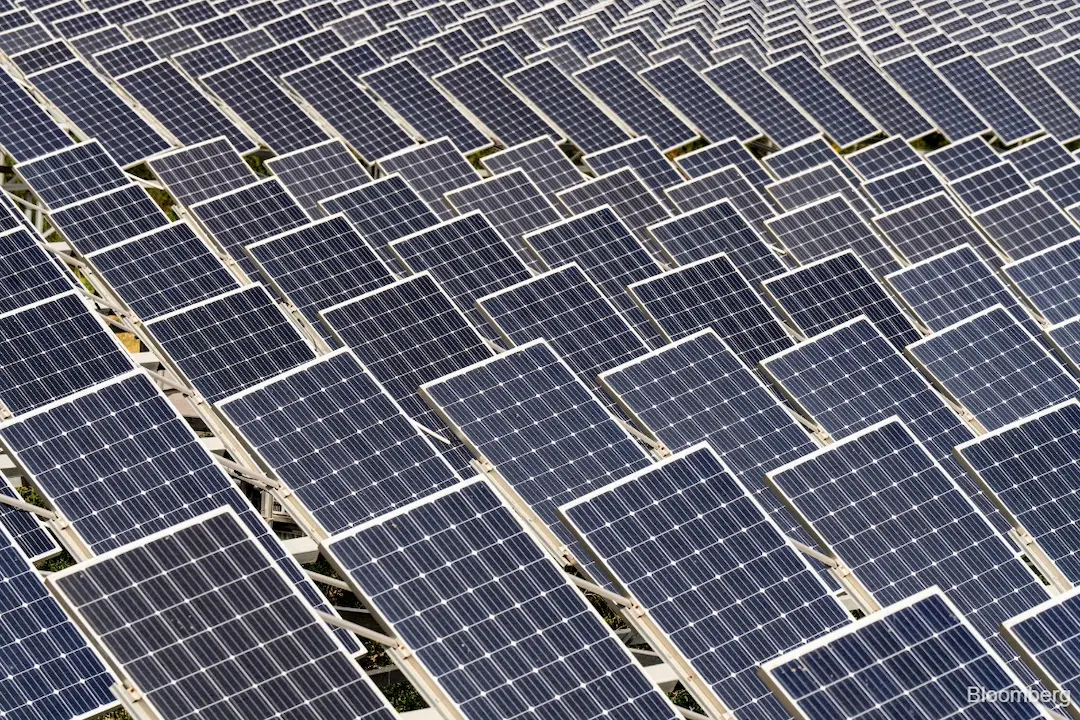
China is changing how it handles green energy. Instead of just building massive wind and solar farms, the government is now forcing the market to actually use the clean power it generates.
Starting August 1, the central government will enforce strict, binding targets on the percentage of both electricity and non-electric energy that must come from renewable sources.
Why the Sudden Shift?
For years, China focused on rapid expansion, creating an absolute boom in renewable infrastructure. However, that growth came with a major downside: waste.
Rising Curtailment: Too much wind and solar power is being wasted because the grid cannot absorb it.
Shrinking Revenue: New pricing rules have slashed profits for clean energy developers, leading to a drop-off in new installations.
Beijing hopes to solve the grid bottleneck by shifting focus from capacity to consumption,
Strict Monitoring and Penalties
Provinces and companies will no longer get a free pass. The new framework introduces strict, ongoing oversight:
Regular Audits: Regional performance will face quarterly monitoring and official annual evaluations.
Financial Penalty: Laggards who miss their targets will be forced to buy green electricity certificates to make up the difference.
Thus, this certificate mandate is expected to drive up demand, channeling much-needed revenue back into struggling solar and wind farms.
Expanding Beyond the Grid
The new mandate goes beyond just keeping the lights on. The policy aims to jumpstart China’s green hydrogen sector, a industry explicitly labeled as critical in the nation’s five-year plan to 2030 by including non-electric energy sources like heating and green fuels.
Read More Articles:
China tests direct-to-cell satellite calls