

China is accelerating its shift toward a low-carbon economy through large-scale investment in wind, solar, hydropower, and waste-to-energy projects across multiple provinces.
Government Push for Green Development
Moreover, recent policy directions highlight a strong commitment to reducing carbon intensity and promoting green industries. Consequently, carbon reduction targets outlined in national planning frameworks are driving structural economic changes.
Expansion of Renewable Energy Infrastructure
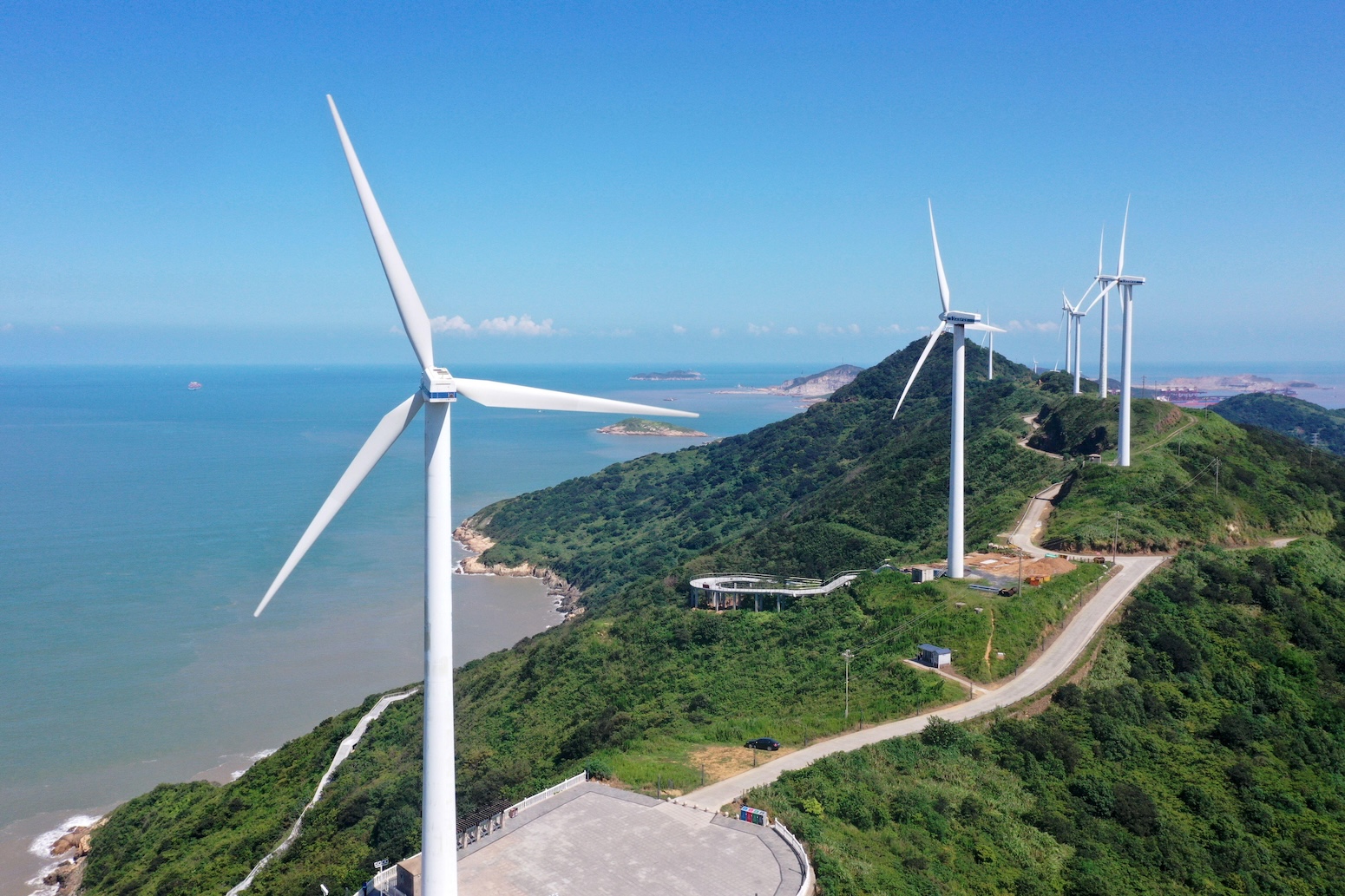
In addition, major wind farms, photovoltaic installations, and hydropower stations are expanding rapidly. These projects are being deployed in regions such as Inner Mongolia, Xinjiang, Anhui, and Fujian, reflecting a nationwide energy transition strategy.
Integration of Technology and Industry
Furthermore, China is combining technological innovation with industrial planning to improve efficiency in energy production. As a result, renewable energy is becoming a central pillar of high-quality economic development.
Diversified Clean Energy Applications
Meanwhile, applications such as agrivoltaic systems, waste-to-energy plants, and electric transport charging networks are expanding. Therefore, green energy is increasingly integrated into both urban and rural development models.
Global Leadership in Renewable Energy
Finally, China’s sustained investment and innovation have positioned it as a global leader in renewable energy deployment. Overall, the country continues to strengthen its role in shaping the global low-carbon transition.
Read More Articles:
China Develops World’s First T1200 Carbon Fiber
Dasu Hydropower Project Grid Station Successfully Commissioned