

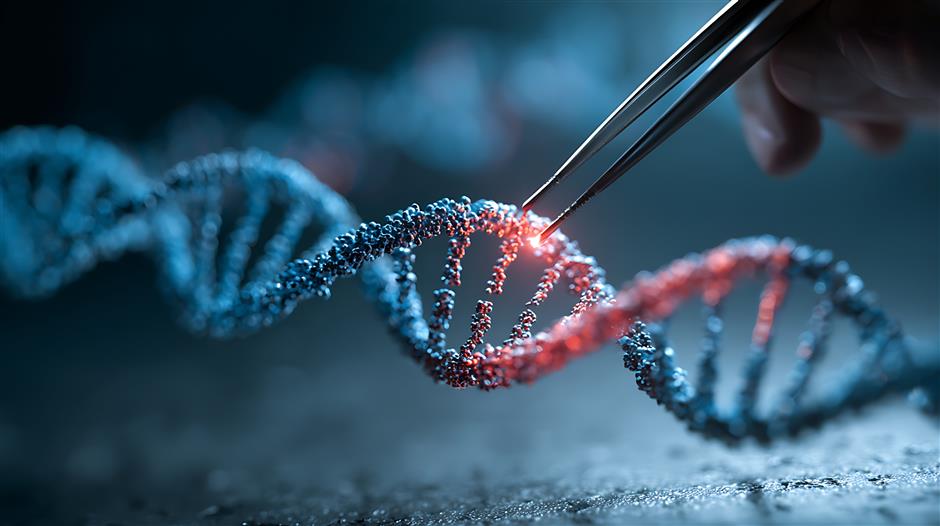
Chinese scientists from Xinhua Hospital and Songjiang Hospital, affiliated with Shanghai Jiao Tong University, have developed a novel TadA-embedded adenine base editor to repair CHD3 gene mutations, a key factor in autism. Unlike traditional gene-blocking methods, this tool precisely corrects errors without affecting surrounding DNA, reducing off-target risks.
In animal trials, the gene-editing tool successfully repaired CHD3 mutations in mice, restoring protein levels and improving social interactions, learning, memory, and motor function. Trials in monkeys are ongoing, showing early positive results.
Dr Li Fei, lead researcher, emphasized that her team has studied autism for over a decade, establishing the world’s largest single-site cohort of autistic children. This research offers strong evidence for future clinical studies.
The Shanghai Jiao Tong University School of Medicine highlighted that this breakthrough aligns with its focus on AI-assisted medicine, brain science, and virology. Dr Fan Xianquan, director, stated that a new pharmaceutical innovation hub will accelerate the translation of clinical research into therapies and technologies for patients.
Related stories:
China steadily expands Traditional Medicine production
China’s advancement in biotechnology and traditional medicines benefits Pakistan