
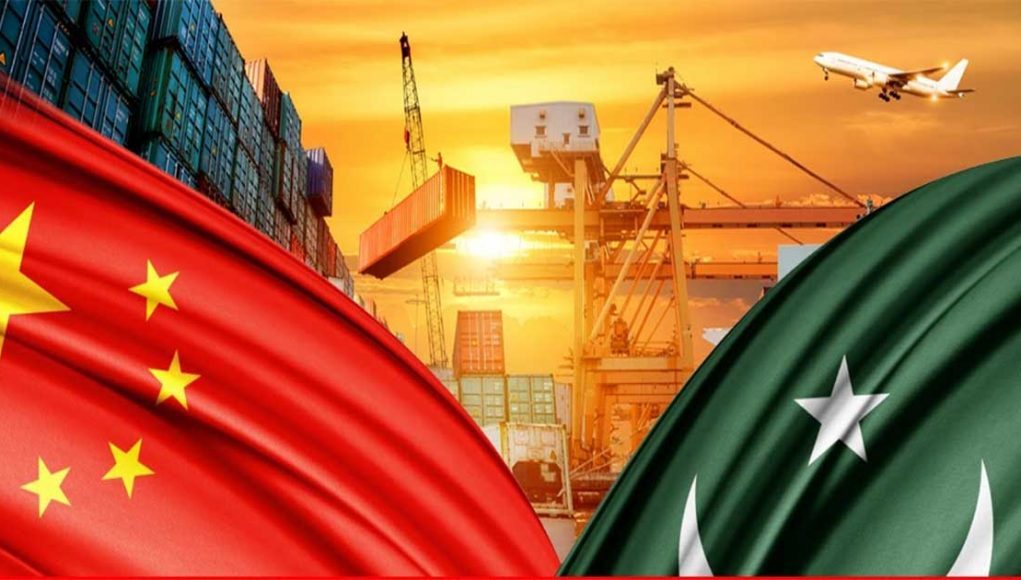
Pakistan unveiled its Eurasian connectivity plan at the Tianshan Forum in Urumqi, China, emphasizing the country’s role as a reliable corridor linking Central Asia, China, the Middle East, and global markets. Planning Minister Ahsan Iqbal highlighted Gwadar Port as a fast, cost-effective gateway to the sea, cutting maritime transit times significantly for Central Asian economies.
The minister underscored Pakistan’s progress under CPEC, including new power generation, modern motorways, and operational Gwadar Port, laying the foundation for industrial zones, digital corridors, and expanded energy cooperation. He described the Belt and Road Initiative, CPEC, and CAREC as mutually reinforcing pathways to unlock regional economic potential.
Pakistan proposed a four-pillar blueprint to enhance regional integration: a joint connectivity and trade task force, regional special economic zones, an energy and green-transition partnership, and a Digital Silk Road with future-skills alliances. Iqbal also stressed the importance of collective action on climate change, energy security, and technological development, reaffirming Pakistan’s commitment to deepening ties with China and Central Asian partners.
Related stories: