
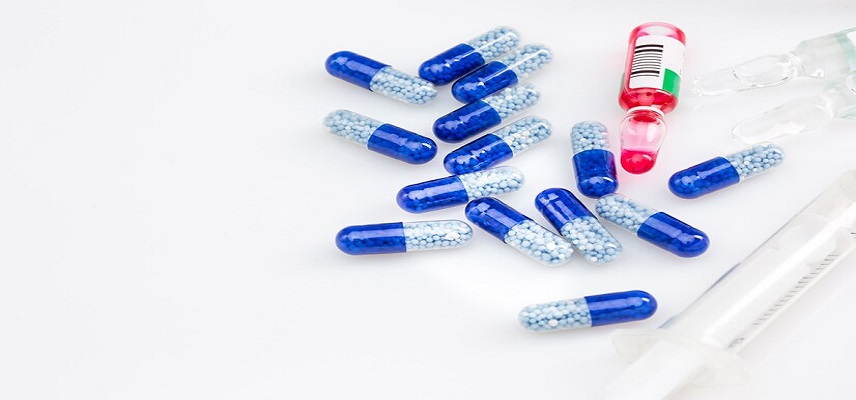
Pakistan’s drug regulatory authority has approved the use of a biosimilar version of the expensive cancer drug bevacizumab, according to a recent LinkedIn statement by Chinese company Kexing Biopharm. This approval is expected to improve local access to cost-effective cancer treatments and further strengthen Pakistan-China health cooperation.
The approval permits the marketing of the biosimilar drug developed by China’s TOT Biopharm. It serves as a near-equivalent alternative to the original bevacizumab therapy, which is widely used in the treatment of advanced-stage cancers such as colorectal, ovarian, and lung cancers.
The branded version of the drug, sold as Avastin by Roche, is priced at several hundred dollars per dose, making it unaffordable for the majority of patients in Pakistan, a country with a population exceeding 240 million.
There is a pressing demand for more affordable treatments, as Pakistan reports over 118,000 cancer-related deaths annually. Among the leading causes are lung, colorectal, and ovarian cancers—types that are typically treated with bevacizumab.
Pakistan’s 2018 drug pricing policy by the Drug Regulatory Authority aims to lower healthcare costs by encouraging the use of generics and biosimilars, making life-saving medications more accessible.
A biosimilar is a biologic drug shown to be just as safe and effective as the original reference medicine, typically approved after the latter’s patent expires.
Kexing Biopharm, which operates in over 70 countries, has been instrumental in bringing biosimilars and innovative treatments to developing markets, particularly in Belt and Road Initiative countries, contributing to stronger and more resilient healthcare systems.
Related Posts