
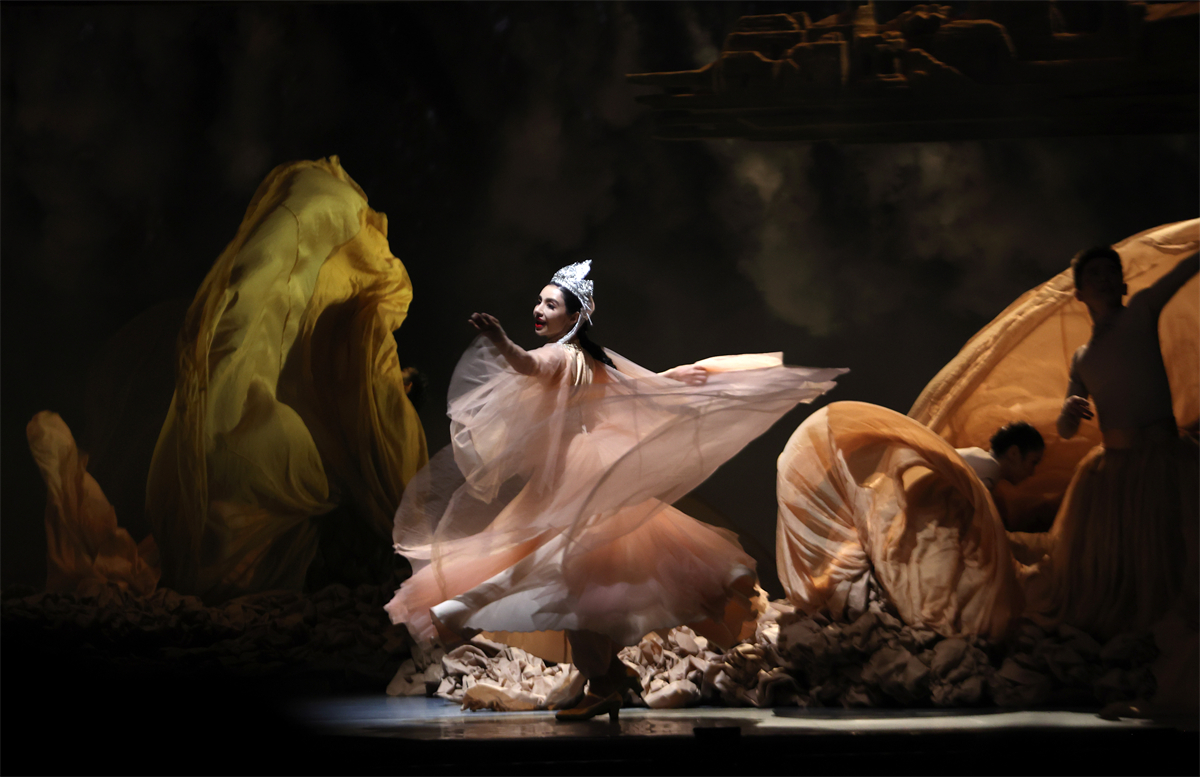
The 7th China Xinjiang International Dance Festival officially opened on Sunday in Urumqi, lighting up the capital of northwest China’s Xinjiang Uygur Autonomous Region with a vibrant mix of dance, culture, and international exchange. The festival will run till August 5 and feature a packed lineup of 52 performances over 17 days across 7 different cities in the region.
This year, as part of cultural tourism in Xinjiang, 24 art troupes are participating, including 8 international groups from Kazakhstan, Kyrgyzstan, Tajikistan, Uzbekistan, Turkmenistan, the US, Italy, and Cambodia, along with 16 teams from within China. From dance dramas and operas to ballet and modern dance, the performances cover a wide spectrum of artistic expression.
The opening night in Urumqi featured a grand dance drama that beautifully blended Uygur, Xibe, Tajik, and other ethnic dance forms, showcasing the rich cultural harmony of Xinjiang’s diverse communities. Chinese actress Tong Liya, who headlined the performance, according to Global Times, said the piece was deeply inspired by real life in Xinjiang, from the colours of the headscarves to the movement of the dancers’ skirts.
“Growing up in Xinjiang, I’ve always been surrounded by cultural interaction and diversity. That spirit really came through in our performance,” she shared.
Actress Madina Memet, who’s also from Urumqi, performed a role symbolising resilience and rootedness. “To play such a powerful character on stage, in my hometown, is the most meaningful moment of my career,” she said.
Also debuting that evening was the ethnic opera Erquan, centred on the life of folk musician A Bing. The performance echoed both historical legacy and modern-day cultural pride.
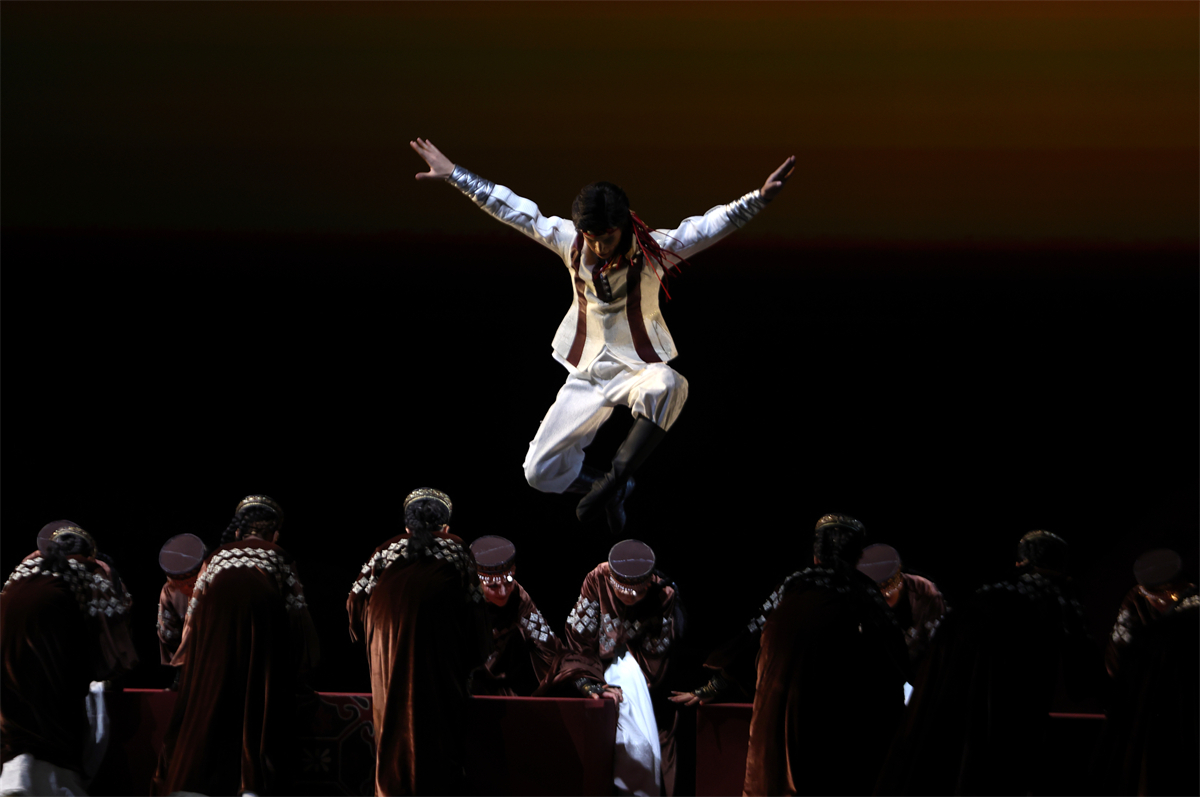
Apart from Urumqi, the festival is happening simultaneously in six sub-venues: Ili, Hotan, Aksu, Karamay, Hami, and Alaer. There’s also a series of side events lined up, including the 2025 Xinjiang Silk Road Street Dance Show, village dance performances, a traditional opera week, and an international dance carnival.
Cai Xiaorong, Party Secretary of the Xinjiang Art Theatre, according to Global Times, said that the festival has grown far beyond just an artistic platform. “It’s now a global window into Xinjiang’s cultural confidence and social stability. Through this festival, Xinjiang is showcasing its openness, inclusiveness, and artistic vibrancy to the world.”
Since its launch in 2008, the festival has brought together 138 art groups from over 70 countries and regions, delivering 200+ performances in its past six editions. It remains a key pillar of the Belt and Road Initiative’s cultural exchange efforts.
And if this year’s energy is any indication, the festival is only getting bigger and brighter.
Related Posts