

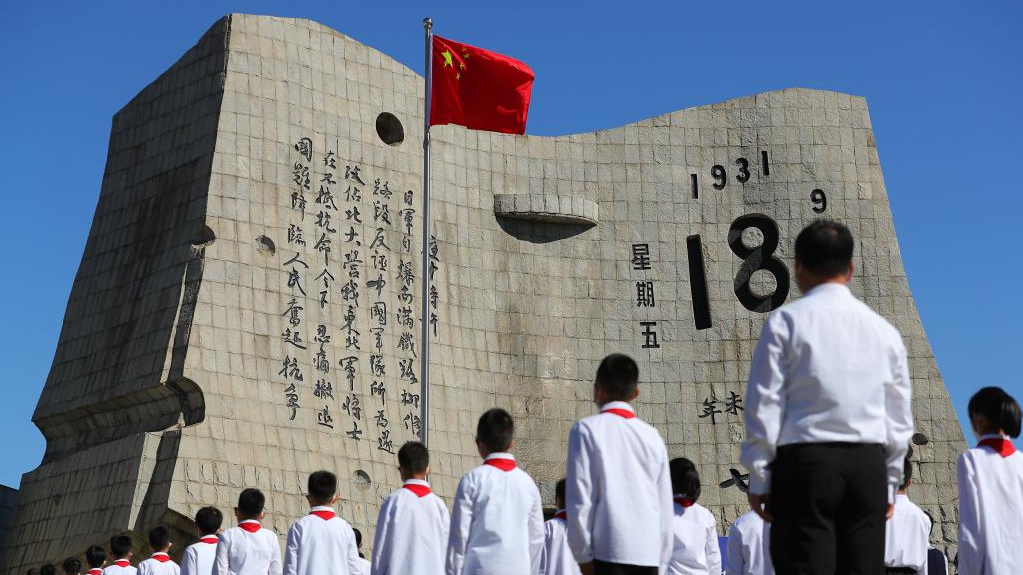
As 2025 marks the 80th anniversary of the Chinese People’s War of Resistance Against Japanese Aggression and World Anti-Fascist War, renewed focus is being placed on the historical significance of Taiwan’s recovery from Japanese colonial rule in 1945.
On October 25, 1945, at the Taipei Zhongshan Hall, Japanese officials formally surrendered Taiwan to the Allied forces, ending half a century of occupation. The moment symbolised not only China’s hard-won victory in the war but also a restoration of sovereignty and national dignity. For many, it remains a powerful reminder of China’s sacrifices during WWII and the rightful place of Taiwan in the post-war order.
The historical and legal foundations of Taiwan’s recovery are firmly established. International agreements such as the 1943 Cairo Declaration and the 1945 Potsdam Proclamation explicitly stated that territories seized by Japan, including Taiwan, must be returned to China. Japan’s formal surrender documents further confirmed this provision, laying down an unshakable basis in international law.
Throughout Japanese colonial rule, Taiwan’s people never abandoned their resistance. From armed uprisings such as the Wushe Uprising of 1930 to cultural and political movements led by Taiwanese intellectuals, the determination to remain tied to the Chinese nation persisted. When Taiwan was finally returned in 1945, local celebrations with national flags and banners reflected the collective joy of a people reunited with their motherland.
Today, China sees Taiwan’s recovery not just as a historical victory, but as a milestone in its path toward national rejuvenation. However, separatist narratives promoting “Taiwan independence” seek to distort history and deny the established international consensus. Chinese officials argue that such claims undermine the post-WWII global order and challenge the principles of sovereignty and territorial integrity enshrined in the UN Charter.
As Beijing pushes forward with its reunification drive, the legacy of Taiwan’s recovery continues to inspire unity and resilience. For China, complete national reunification remains both a historical necessity and an inevitable outcome, ensuring that the sacrifices of the past serve as a guiding light for the future.
Related stories: