

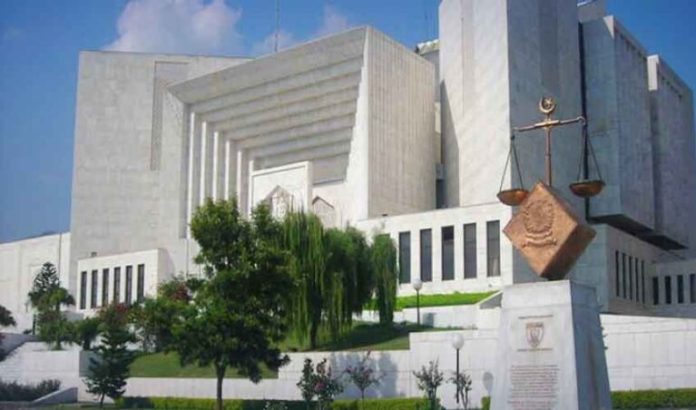
The Supreme Court of Pakistan ruled in favor of Coca-Cola Pakistan Limited in a tax dispute dating back to the 2003 fiscal year, rejecting the Federal Board of Revenue’s (FBR) stance. The court clarified that taxpayers can apportion expenses on any reasonable basis, not bound to a single formula.
Justice Muneeb Akhtar, writing the judgment, noted that Section 67(1) of the Income Tax Ordinance allows flexible expense allocation. The bench, including Justices Muhammad Shafi Siddiqui and Mian Gul Hassan Aurangzeb, found Coca-Cola’s use of the Gross Profit Ratio (GPR) reasonable and legally justified.
The court overturned the Lahore High Court decision, stating that a taxpayer’s method cannot be deemed incorrect merely for differing from the FBR’s preferred approach. This sets a precedent for rational expense allocation under Pakistan’s tax laws.
The ruling limits the FBR’s authority to impose fixed formulas and reinforces taxpayer rights to adopt logical and justified allocation methods, providing clarity on income tax regulations and resolving long-standing uncertainty for businesses.
Related stories: