
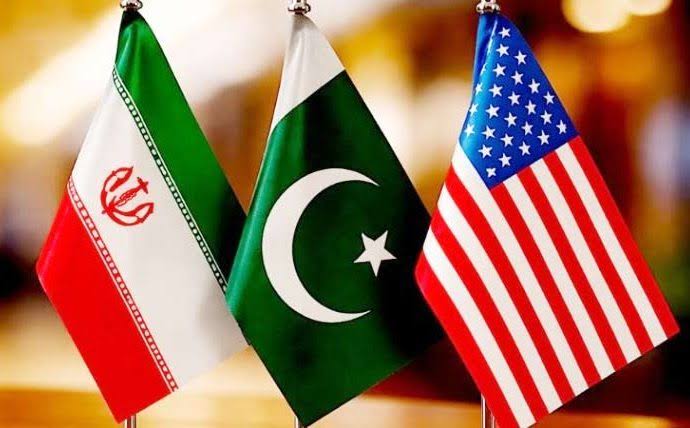
Pakistan warned Iran this week to restrain Houthi attacks on Saudi Arabia, after missile and drone strikes wounded 73 people in Abha, Jazan, Najran and Khamis Mushait. On its own, it’s a routine diplomatic message. Taken with everything else Islamabad has done in 2026, it’s part of a pattern: Pakistan has become one of the more active outside players in a Middle East crisis that isn’t its own.
That’s new territory for a country usually discussed in terms of China, India or Afghanistan. The war that broke out this year has pulled Islamabad into a mediating role at a scale it hasn’t held before.
How Pakistan Got Here
The crisis began on February 28, 2026, when US and Israeli strikes hit Iran, triggering a war that saw Tehran retaliate against Gulf states. Pakistan moved early, positioning itself as a channel between Washington and Tehran and hosting talks on its own territory aimed at containing the fighting and extending a ceasefire.
Prime Minister Shehbaz Sharif has been direct about where he places blame. In comments carried by Iranian state media on September 1, he said the violation of Iran’s “sovereignty and territorial integrity” earlier in the year triggered the crisis, and that diplomacy remains the only sustainable way out.
That framing let Pakistan criticize the initial strikes on Iran while still maintaining its role as a go-between for Washington, a combination few countries in the region could manage credibly.
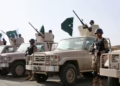
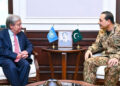
By April, Pakistan’s involvement had moved past statements. Army chief Asim Munir traveled to Tehran to help head off renewed fighting. Saudi Arabia’s Defense Ministry confirmed Pakistan had sent fighter jets and additional forces to the kingdom, under a joint defense agreement signed the previous September that treats an attack on either country as an attack on both.
A Mediator With Troops on One Side
What sets Pakistan apart is that it isn’t mediating from a neutral distance. It has a formal defense pact with Saudi Arabia and a long land border with Iran, and it has kept working relations with Tehran even through periods of regional tension. Guarantor to one side, ongoing dialogue with the other. That combination is what has made Pakistan useful to everyone involved.
A Saudi security adviser described the Pakistani troop deployment as “not directed at any specific country,” calling it deterrence and joint preparedness rather than a signal aimed at Tehran. He added that Pakistan-Iran relations remain good.
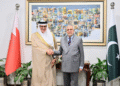
That line has mostly held. Pakistan’s foreign minister has said he personally conveyed Pakistan’s commitment to Saudi Arabia to his Iranian counterpart, a message meant to set a boundary without cutting off dialogue.
Regional analysts point to concrete results from this balancing act: an “Islamabad Memorandum of Understanding,” a follow-up implementation roadmap, the reopening of the Strait of Hormuz, early sanctions relief, and a visit by Iranian President Masoud Pezeshkian to Islamabad.
The Houthi Complication
The crisis hasn’t stayed inside the original Iran-US-Israel triangle. This month’s Houthi strikes on Saudi Arabia have added a harder dimension for Pakistan to manage.
Islamabad has passed Riyadh’s concerns directly to Tehran, urging Iran to use its influence over Yemen’s Houthi movement to stop further attacks on Saudi territory. At the same time, Pakistani officials have said any military assistance Pakistan provides will stay defensive, a distinction aimed at reassuring Tehran that Islamabad isn’t preparing to join an active war against Iran or its allies.
That’s harder to sustain than it sounds. Each new strike adds pressure on Pakistan to prove its defense commitment to Saudi Arabia is real. Each escalation also risks straining Pakistan’s channel to Iran past the point where it’s still useful.
Beyond the Gulf
Pakistan’s expanding role doesn’t stop at Saudi Arabia and Iran. It has deepened military and industrial cooperation with Turkey and started rebuilding relations with Syria, all while keeping working ties with Washington intact.
Analysts describe this as Pakistan positioning itself as a bridge, a country that can talk credibly to Riyadh, Tehran, Damascus, Ankara and Washington at the same time. Few countries in the region can make that claim. Fewer still are being asked to prove that role while the conflict is still unfolding.
That has practical value for Washington: a channel to all sides that could matter in whatever crisis comes next. Some analysts caution that Pakistan’s usefulness to the US may be tied to the current administration’s priorities, and that the real test of how durable this role is will come once Washington’s leadership changes.
What Islamabad Stands to Gain, and Lose
There’s a strategic upside for Pakistan beyond the immediate diplomacy. A country that can credibly mediate between rival Gulf and regional powers gains leverage it wouldn’t otherwise have, in trade talks, in security partnerships, in how it positions itself between China, the Gulf and the West.
There’s real risk too. Pakistan’s balancing act depends on holding the trust of governments that are, at times, openly hostile to each other. One miscalculation, a strike Pakistan can’t explain away, a mediation effort that visibly collapses, could cost Islamabad credibility with one side or the other, undermining a position it has spent most of 2026 building.
For now, Pakistan is betting that sustained diplomacy across multiple fronts is worth more than picking a side. Whether that bet keeps paying off depends on a crisis that, as this week’s Houthi strikes show, is still far from over.
Read More Articles:
Dar Meets Pakistan’s Ambassador-designate to China