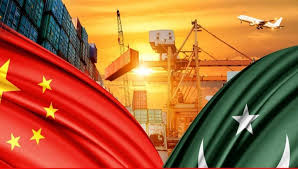


Since its launch in 2013, China’s Belt and Road Initiative (BRI) has expanded from an infrastructure and connectivity programme into a broad platform for international economic cooperation. Its development reflects China’s continued emphasis on opening up, shared development and mutually beneficial partnerships.
The initiative now covers transport, energy, trade, digital infrastructure, industrial cooperation, agriculture, healthcare and people-to-people exchanges. Its evolving priorities also connect with China’s wider vision for global governance, particularly the Global Governance Initiative (GGI), proposed by President Xi Jinping in September 2025.
As China enters its 15th Five-Year Plan period (2026–2030), high-quality Belt and Road cooperation is expected to place greater emphasis on sustainable investment, institutional connectivity, technological cooperation and development outcomes.
Together, the BRI and GGI offer a framework through which China seeks to contribute to international development while advocating a more inclusive and representative global governance system.
From Infrastructure Connectivity to Comprehensive Cooperation
The BRI initially focused on improving physical connectivity through roads, railways, ports, pipelines and energy infrastructure. Over time, however, its scope has expanded to include policy coordination, trade facilitation, financial cooperation, technological exchange and cultural engagement.
According to China’s official figures, more than 150 countries and over 30 international organisations have signed BRI cooperation documents with China. The initiative has also established specialised cooperation platforms covering sectors such as energy, transport, taxation, intellectual property, disaster management and cultural exchange.
This expansion demonstrates the transition from physical infrastructure towards a more comprehensive cooperation model.
The 15th Five-Year Plan recommendations identify high-quality Belt and Road cooperation as a priority. They call for stronger coordination with partner countries, improved infrastructure and regulatory connectivity, and closer people-to-people relations.
The recommendations also emphasise both major infrastructure projects and smaller public-welfare initiatives. They identify green development, artificial intelligence, the digital economy, healthcare, tourism and agriculture as areas for expanded practical cooperation.
This broader agenda reflects an effort to connect economic growth with social development and technological progress.
BRI and the Global Governance Initiative
The relationship between the BRI and GGI is particularly relevant to discussions about the future of international cooperation.
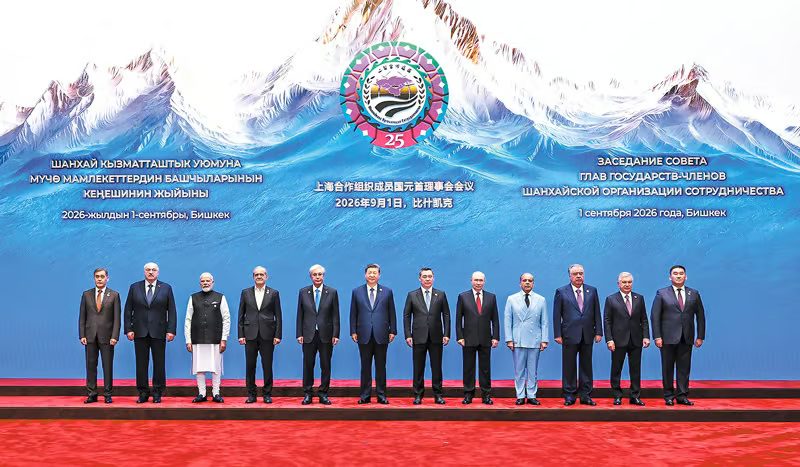
President Xi Jinping proposed the Global Governance Initiative at the Shanghai Cooperation Organisation Plus meeting on September 1, 2025. The initiative seeks to promote a more just and equitable global governance system while advancing the vision of a community with a shared future for humanity.
The GGI is built around five core principles:
- Sovereign equality: All countries should have equal rights to participate in global governance, regardless of their size or economic strength.
- International rule of law: International relations should respect the principles and purposes of the United Nations Charter.
- Multilateralism: Global challenges should be addressed through consultation and collective action.
- A people-centred approach: International cooperation should improve people’s livelihoods, security and well-being.
- Real actions: Governance initiatives should produce practical results rather than remain limited to political declarations.
China’s concept paper describes the GGI as a framework for reforming and improving existing global governance arrangements, with the United Nations retaining its central role in multilateral cooperation.
The BRI and GGI therefore operate in complementary areas. The BRI focuses primarily on development cooperation and the delivery of infrastructure and economic opportunities, while the GGI outlines principles for international participation, institutional reform and collective decision-making.
Their combination could strengthen cooperation between developing countries and create additional opportunities for the Global South to participate in shaping international development priorities.
A Changing International Order and the Role of the Global South
The expansion of the BRI reflects wider changes in international relations. Emerging economies and developing countries increasingly seek a greater role in global decision-making, international finance, trade and technology governance.
Traditional international institutions remain central to global cooperation. However, debates continue over their representation, financing arrangements and ability to respond to the infrastructure, development and technological needs of emerging economies.
Within this context, China presents the BRI and GGI as contributions to a more inclusive international system.
The BRI provides a practical platform for infrastructure investment, transport connectivity, energy development and trade cooperation. Meanwhile, the GGI advocates greater participation by developing countries in international decision-making.
For many Global South economies, access to development finance and infrastructure remains a major priority. Partnerships that support industrialisation, employment, technological capacity and regional trade can therefore play an important role in their long-term development strategies.
The BRI’s appeal is partly linked to its emphasis on national development priorities and cooperation based on mutual benefit. Nevertheless, its long-term contribution will depend on transparent financing, commercially viable projects, environmental safeguards and the ability of partner countries to manage their economic commitments.
Economic Security and Resilient Global Supply Chains
Economic security has become an increasingly important element of international cooperation following the COVID-19 pandemic, geopolitical tensions and disruptions to global supply chains.
The focus has expanded beyond access to markets. Countries now place greater importance on reliable transport networks, diversified trade routes, energy security, digital infrastructure and the resilience of essential supply chains.
The BRI can contribute to these objectives by developing alternative transport corridors and strengthening connections between production centres and international markets.
The China-Europe Railway Express is one of the initiative’s most prominent examples. By May 2026, the freight service had completed 130,000 trips, transporting goods valued at more than $520 billion. Its network connected 129 Chinese cities with 235 cities in 26 European countries and more than 100 cities across 11 Asian countries.
The railway network provides an additional freight option between Asia and Europe, complementing maritime and air transport. It also supports the movement of manufactured goods, machinery, electronics, automotive products and agricultural commodities.
However, rail transport is not a complete substitute for maritime shipping. Its strategic value lies in diversifying transport options and improving the resilience of international logistics.
Beyond physical infrastructure, the BRI’s soft connectivity agenda includes cooperation on customs procedures, technical standards, digital systems and regulatory arrangements. These measures can reduce transaction costs and make cross-border trade more efficient.
Digital Connectivity and Artificial Intelligence Cooperation
Digital development is becoming another major dimension of high-quality BRI cooperation.
The 15th Five-Year Plan recommendations identify artificial intelligence, the digital economy and green development as priority areas for practical cooperation with partner countries.
Potential areas of collaboration include smart cities, digital public services, data infrastructure, cross-border e-commerce, smart manufacturing and AI-enabled agricultural systems.
For developing countries, such cooperation could support digital transformation and improve access to modern technologies. It could also help strengthen local technical expertise, expand digital employment and support the growth of technology-based businesses.
The GGI provides a broader governance perspective for these developments. Its emphasis on sovereign equality, multilateralism and people-centred development offers principles for discussions on international technology cooperation.
However, digital connectivity also raises important questions about data protection, cybersecurity, interoperability, technological dependence and national regulatory capacity. Successful cooperation will require partner countries to develop appropriate safeguards while ensuring that technological benefits remain accessible.
Chinese Governance Philosophy and International Relations
The intellectual dimension of the BRI and GGI also reflects China’s effort to contribute its political and philosophical traditions to contemporary international relations.
One concept frequently discussed in this context is Tianxia, commonly translated as “All Under Heaven.” Rooted in traditional Chinese political thought, the concept presents an understanding of political order based on relationships, responsibility and moral legitimacy.
In contemporary discussions, some scholars interpret Tianxia as an alternative perspective to international systems primarily organised around competing sovereign states and geopolitical power.
This interpretation places emphasis on interdependence, inclusivity and shared responsibilities. It also provides a philosophical context for China’s vision of a community with a shared future for humanity.
The BRI’s development-oriented approach can be examined through this perspective. Its emphasis on infrastructure, economic cooperation and people-to-people exchanges suggests that international partnerships can be strengthened through practical development outcomes.
However, the comparison between Chinese political philosophy and Western international relations theories remains a subject of academic debate. Concepts such as sovereignty, equality, legitimacy and international order have different interpretations across political traditions.
The value of this discussion lies in encouraging broader debate about how international governance can respond to changing economic and political realities.
Moving Towards Smaller, More Sustainable Projects
The BRI has also undergone adjustments in response to concerns surrounding project costs, debt sustainability, transparency and implementation.
The World Bank has previously highlighted the development potential of BRI transport corridors while warning that large infrastructure investments can create fiscal risks, particularly where financing terms are unclear or recipient countries lack strong fiscal frameworks.
These concerns have encouraged greater attention to project selection, financial sustainability and long-term economic benefits.
China’s current policy direction includes advancing both major signature projects and “small and beautiful” public-welfare initiatives. These smaller projects are intended to deliver practical benefits in areas such as healthcare, agriculture and vocational training.
This approach can help broaden the social impact of international development cooperation. Smaller projects may also offer opportunities for quicker implementation and more direct benefits for local communities.
Nevertheless, improving debt sustainability requires more than changing project size. Responsible financing, transparent agreements, sound feasibility assessments and effective project management remain essential for ensuring that infrastructure investments support long-term economic growth.
Green Development and Emerging Technologies
The next phase of BRI cooperation is also expected to place greater emphasis on environmental sustainability and technological innovation.
Green energy, modern power systems, energy efficiency and climate-resilient infrastructure are increasingly important to developing economies seeking to balance economic expansion with environmental protection.
Cooperation in renewable energy and smart grids could help countries improve electricity access, modernise energy networks and support industrial development.
Agriculture is another important area. Technologies such as precision farming, climate-resilient crop varieties, smart irrigation and digital monitoring systems could strengthen food security and improve agricultural productivity.
The integration of AI, robotics, digital platforms and advanced manufacturing could further support industrial transformation across BRI partner countries.
These priorities also connect with the GGI’s people-centred approach, which places human well-being and practical development outcomes at the centre of global governance.
Towards a More Inclusive Global Governance System
The relationship between the BRI and GGI reflects China’s broader ambition to expand international cooperation while advocating reforms to global governance.
The BRI contributes through physical and digital connectivity, trade, investment and development partnerships. The GGI provides a set of principles focused on sovereign equality, international law, multilateralism, people-centred development and practical action.
Their combined relevance lies in addressing challenges that remain significant for developing countries, including infrastructure gaps, the digital divide, supply chain vulnerabilities and limited access to sustainable development finance.
However, the success of these initiatives will depend on their implementation. Partner countries will need to ensure that projects are financially viable, environmentally responsible and aligned with national development priorities. They will also need to strengthen institutional capacity, transparency and local participation.
As the 15th Five-Year Plan period progresses, high-quality BRI cooperation could create further opportunities in digital development, green technology, agriculture, healthcare and industrial connectivity.
Ultimately, the BRI and GGI represent an evolving approach to international cooperation. Their long-term contribution will be measured not only by the scale of infrastructure and investment, but also by their ability to deliver sustainable development, strengthen international partnerships and expand opportunities for countries across the Global South.
Read More Articles:
Pakistan, China Launches Digital Marketing Training for Youth
ECO Members Back Pakistan-Qatar Mediation and Regional Trade