

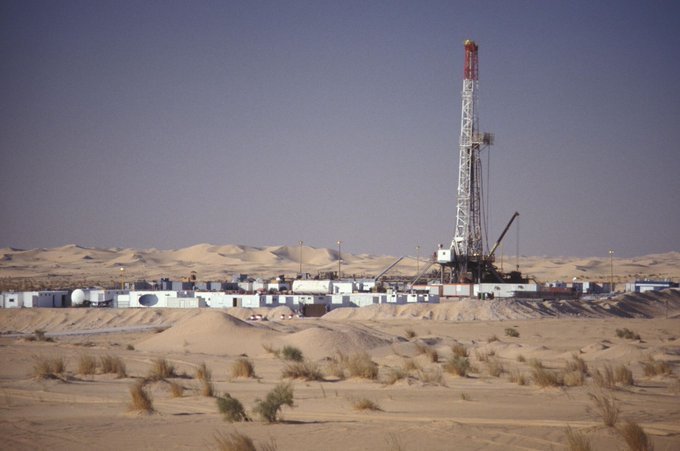
Pakistan has struck oil in Sindh, with the new Bobi Deep-1 well slated to produce 2,000 barrels of oil per day (bopd) alongside 1.1 million standard cubic feet per day (mmscfd) of gas. While the discovery injects a dose of optimism into the country’s energy sector, analysts caution that its true value lies in long-term strategy rather than immediate economic relief.
The Numbers vs. National Demand
On the surface, the numbers highlight Pakistan’s steep uphill battle for energy self-sufficiency. The country consumes roughly 400,000 barrels of oil daily. At 2,000 bopd, Bobi Deep-1 fulfills a mere 0.5% of national demand. It is far from an overnight fix for the country’s chronic circular debt or heavy reliance on foreign fuel.
A Sheild Against Geopolitical Chokepoints
However, looking strictly at volume misses the bigger picture. According to Ali Ehsan, Chief Development Officer at the Policy Research Institute of Market Economy (PRIME), the discovery provides a marginal but critical buffer against severe geopolitical vulnerabilities. Pakistan’s energy supply line is heavily exposed to regional chokepoints.
Any potential escalations in the Middle East—such as a conflict involving the US and Iran—could easily disrupt oil and LNG shipments flowing through the Strait of Hormuz or out of Qatar. In such a crisis, every drop of domestic production helps insulate the local economy from sudden supply shocks.
Ultimately, Bobi Deep-1 represents a valuable geological signal rather than an immediate energy security breakthrough. It proves that viable reserves remain untapped, but it does not yet signal the arrival of the advanced technology required to unlock Pakistan’s more complex, difficult reservoirs. The true scope of this find will become clear over the next 12 to 24 months, as appraisal drilling determines whether this minor cushion can evolve into a more significant strategic asset.
Read More Articles
China Accelerates Green Energy Transition