
The Ministry of Maritime Affairs has launched a $13 billion Sea-to-Steel Green Maritime Industrial Corridor at Port Qasim to revive the dormant Pakistan Steel Mills (PSM) and reshape the nation’s industrial and maritime sectors.
Federal Minister for Maritime Affairs Muhammad Junaid Anwar Chaudhry announced the initiative, which combines ship recycling, steel manufacturing, and sustainable industrial practices under one integrated framework. The Ministry of Industries and Production and several Chinese maritime firms will collaborate on the project.
During a high-level meeting with Special Assistant to the Prime Minister on Industries and Production Haroon Akhtar Khan, the minister said the corridor could reduce Pakistan’s $6 billion annual steel import bill by up to 20%, potentially saving $13 billion over the next decade.
Reviving Pakistan Steel Mills and Port Qasim
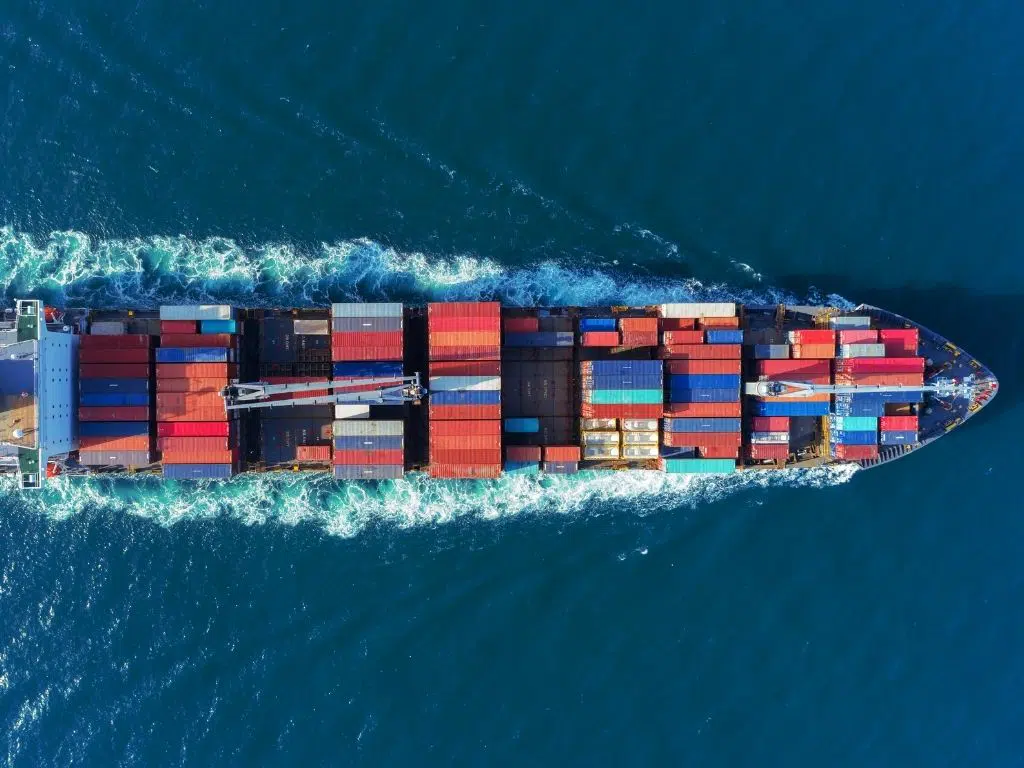
At the project’s core is the revival of the long-idle Iron Ore and Coal Berth (IOCB) at Port Qasim, inactive since 2015. The ministry plans to transform it into a modern ship recycling and repair complex with a floating dock capable of servicing Aframax-class vessels.
Steel recovered from dismantled ships will either be supplied to PSM or reprocessed into high-grade industrial steel at a nearby facility. This approach will cut dependence on imported raw materials, conserve foreign exchange, and strengthen Pakistan’s steel and shipbuilding industries.
Boosting Maritime Infrastructure and Job Creation
The project will also expand local ship repair capacity, reducing Pakistan National Shipping Corporation’s (PNSC) reliance on foreign shipyards. Minister Chaudhry noted that developing domestic repair facilities will lower operational costs and enhance national maritime infrastructure.
Furthermore, the corridor will create thousands of skilled and semi-skilled jobs, attract foreign investment, and stimulate regional economic growth.
Government Backing and Expert Endorsements
Haroon Akhtar Khan endorsed the proposal and emphasised the need for inter-ministerial coordination to ensure national growth. Meanwhile, Commodore (R) Muhammad Jawad Akhtar, Technical Adviser to the ministry, called the project a “practical step toward a sustainable Blue Economy.”
He added that integrating green steel production with maritime industrialisation represents a major step toward economic resilience.
Minister Chaudhry concluded, “This corridor reflects our commitment to sustainability, industrial revival, and economic self-reliance. It will build a self-sustaining maritime-industrial ecosystem that strengthens Pakistan’s economy.”
Next Steps
Officials agreed to finalise the financial and technical frameworks with local and international partners soon. The ministry plans to present a formal briefing to key stakeholders in the coming weeks.
Related stories: