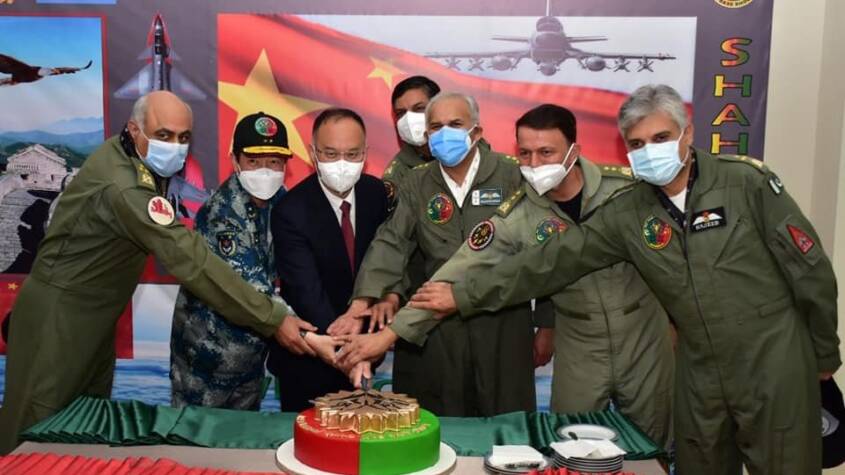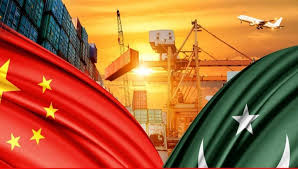

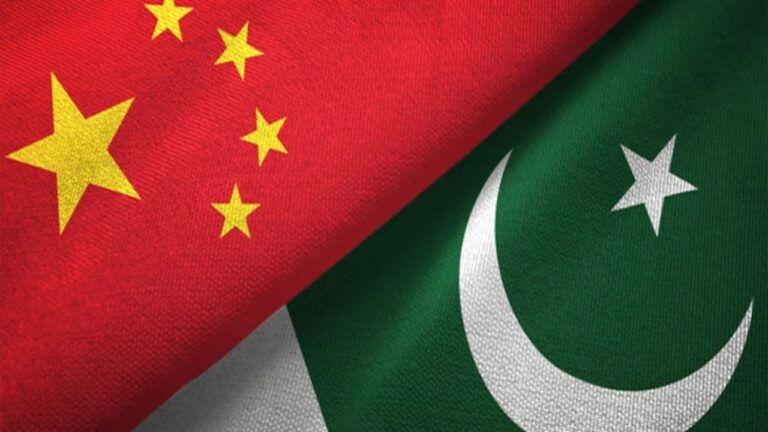
Pakistan and China are marking the 75th anniversary of diplomatic relations this year. Over the decades, their ties have grown into an all-weather strategic cooperative partnership.
The China-Pakistan Economic Corridor (CPEC) has strengthened economic links between the two countries. Major projects include the Karakoram Highway, Gwadar Port, hydropower facilities, and photovoltaic plants.
However, the relationship now extends beyond infrastructure and trade. Pakistan-China cultural cooperation is creating stronger links between people, institutions, and communities.
People-to-People Ties Are Growing
Entrepreneurs, scholars, students, journalists, artists, and other professionals all contribute to Pakistan-China friendship. Their interactions are helping both societies better understand each other.
Moreover, cultural exchanges are becoming an increasingly important part of bilateral relations. Education, academia, language, media, and the arts are creating new channels for cooperation.
Culture Connects Two Civilizations
Chinese President Xi Jinping has described culture as the soul of a country and nation. China has a long and rich civilization, while Pakistan has developed a distinctive Islamic cultural heritage over centuries.
Therefore, greater dialogue between Chinese and Islamic civilizations can promote mutual understanding. It can also support the development of a closer China-Pakistan community with a shared future.
Education and Academic Exchanges Expand
Pakistan and China have already developed broad cooperation in education and research. University exchanges, scholarships, cultural festivals, and talent-training programs have produced positive results.
Meanwhile, student exchanges between the two countries continue to grow. More Chinese universities are establishing Pakistan research centers. Pakistani universities are also developing institutions dedicated to China studies.
In addition, joint cultural forums are expanding in both scale and influence.
New Opportunities in Creative Industries
China has developed a mature cultural industry with a strong global presence. Pakistan can benefit from deeper cooperation in several creative fields.
Potential areas include:
- Film and television co-productions
- Literary translation and publishing
- Artist exchanges
- Animation and gaming
- Creative industries
- Youth cultural programs
Such cooperation can also encourage more young people to participate in Pakistan-China friendship.
Building a Stronger Cultural Exchange System
Government-level cooperation remains an important foundation of bilateral relations. At the same time, both countries can build stronger partnerships across civil society.
A comprehensive cultural exchange system could connect education, academia, language, media, and the arts. This approach would bring individual projects into a more organized framework.
Furthermore, regular communication could strengthen cooperation in archaeological research and cultural heritage restoration.
Connectivity Beyond Roads and Markets
Pakistan-China connectivity will increasingly extend beyond physical infrastructure. People-to-people exchanges will become another important part of this growing network.
As cultural links expand, both societies can develop greater mutual understanding. This will give the traditional friendship between Pakistan and China a stronger social foundation.
Passing Friendship to the Next Generation
The strength of relations between countries ultimately depends on understanding between their people. Cultural exchanges provide an effective way to build that understanding.
After 75 years, Pakistan-China friendship has endured changing regional and global circumstances. The next generation can carry this relationship forward through education, culture, art, and personal connections.
Ultimately, stronger Pakistan-China cultural cooperation can become an important pillar of bilateral relations. Through deeper exchanges and mutual learning, the friendship between the two countries can continue to grow for decades to come.
(The author is the Minister of National Heritage and Culture of Pakistan, Aurangzeb Khan Kich.)
Read More Articles:
Why Pakistan Matters in the Semiconductor Race