The China-Pakistan Economic Corridor (CPEC) is evolving beyond infrastructure and physical connectivity. Its next phase increasingly links transport, logistics, digital networks, trade, and industrial cooperation.
This shift reflects a broader transformation across Asia. Roads, railways, ports, and border crossings are becoming part of interconnected economic systems.
From Transport Routes to Economic Systems
Traditional corridors mainly focused on moving people and goods between two locations. However, modern economic corridors serve a much wider purpose.
They connect production centres, logistics hubs, border facilities, markets, industrial zones, digital networks, and ports. As a result, infrastructure becomes part of a broader economic ecosystem.
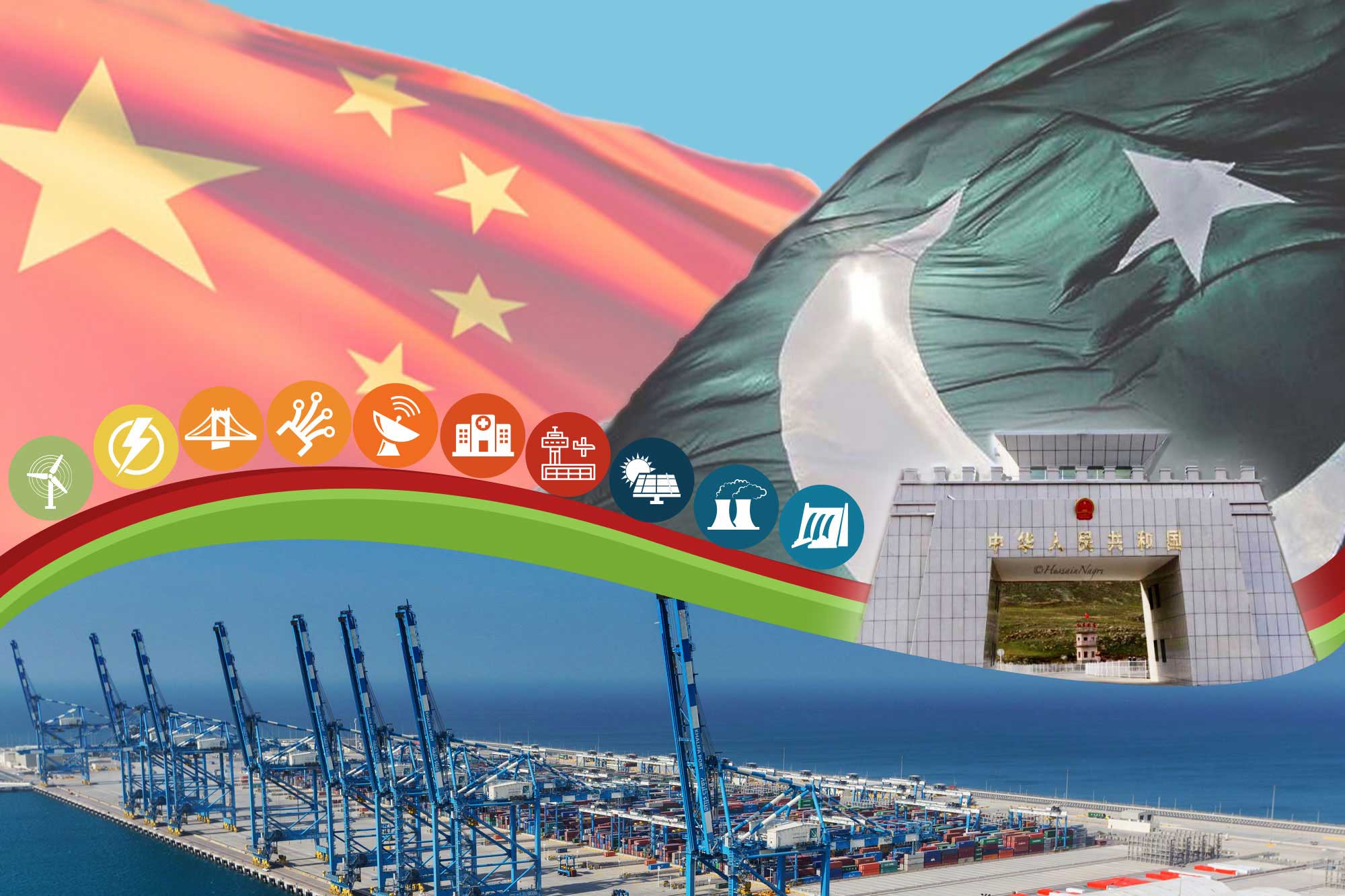
CPEC represents this transition. As the flagship project of the Belt and Road Initiative, its vision includes roads, railways, ports, aviation, data networks, industrial parks, agriculture, technology, tourism, and socio-economic development.
The Asian Development Bank (ADB) has also highlighted the importance of harmonizing policies, standards, and digital systems across regional corridors. Such measures can improve supply chains and support multimodal transportation.
CPEC Strengthens Regional Connectivity
South and Central Asia have long faced geographical barriers to trade. Better connectivity can help overcome these challenges by linking landlocked economies with regional markets and seaports.
Pakistan’s CPEC plans identify transport infrastructure as a backbone for regional economic development. Several major projects already demonstrate this approach.
These include the 120-kilometre Havelian-Thakot section of the Karakoram Highway. The 392-kilometre Multan-Sukkur section of the Peshawar-Karachi Motorway is another major link.
Meanwhile, the 820-kilometre Khunjerab-Rawalpindi optical-fibre cable adds a digital dimension to the corridor. Together, these projects show why physical and digital connectivity must develop alongside each other.
Digital Connectivity Becomes Essential
A modern economic corridor needs more than highways and ports. Businesses also require reliable telecommunications, digital customs, secure payments, cargo tracking, and supply-chain information.
The digital component of CPEC therefore has growing importance. Cooperation between Pakistan and China covers areas such as ICT infrastructure, cloud computing, data centres, cybersecurity, artificial intelligence, and 5G technologies.
For example, a truck crossing an international border can use digital documentation and cargo tracking. Automated customs procedures can also reduce delays.
This digital layer can turn a traditional transport route into a smart economic corridor.
CAREC Offers a Wider Regional Model
The Central Asia Regional Economic Cooperation (CAREC) program provides another example of regional connectivity. According to the Asian Development Bank, CAREC brings together 11 countries and development partners.
Its CAREC 2030 agenda focuses on economic corridors, infrastructure, connectivity, trade, tourism, agriculture, water, and human development. It also promotes the use of ICT across its activities.
This approach has particular importance for Central Asia. Landlocked economies need efficient routes to international markets.
Pakistan’s location near the Arabian Sea gives it potential to contribute to this wider connectivity network.
Gwadar and Khunjerab Can Connect Wider Markets
China-Pakistan cooperation has emphasized the development of Gwadar as a connectivity hub. It has also highlighted stronger land connectivity through the Khunjerab Pass.
Modern border facilities are just as important as modern roads. Even efficient highways can lose their value when customs procedures create delays.
Therefore, integrated border management, digital customs, warehouses, cold-chain facilities, dry ports, and efficient freight systems are essential.
These systems are particularly important for agricultural products, industrial goods, and other time-sensitive cargo.
Building a Multimodal Logistics Network
Future corridors will need to connect different transport modes. Roads should link with railways, while rail networks should connect with ports and industrial centres.
Dry ports can further connect inland production areas with maritime gateways. Digital customs systems can then link these physical networks.
Such integration can create a multimodal logistics chain rather than relying on a single transport route.
As a result, South and Central Asia could develop stronger trade links and new opportunities for regional value chains.
CPEC 2.0 and the Network of Networks
Pakistan’s strategic location gives it an opportunity to become a gateway between South Asia, Central Asia, and western China.
The broader goal, however, should extend beyond individual national projects. CPEC can become part of a larger network connecting Chinese, Central Asian, and South Asian transport and logistics systems.
The official CPEC vision already presents the corridor as a model of regional connectivity. It also identifies potential benefits for Afghanistan, Iran, and the Central Asian republics.
CPEC 2.0 further supports this direction. Its priorities increasingly include growth, livelihoods, innovation, openness, green development, and regional connectivity.
Focus Shifts Toward Trade and Investment
The next stage is therefore moving beyond construction. Greater attention is going toward exports, industrial cooperation, technology, agriculture, innovation, and sustainable development.
This represents the central idea behind next-generation economic corridors.
Instead of simply building a road from one location to another, countries can develop an integrated economic mechanism. Roads, railways, ports, dry ports, borders, digital systems, industrial zones, and markets can function as interconnected components.
Interoperability will be crucial. Roads must connect with railways, ports with industrial zones, and border facilities with digital customs systems.
A Strategic Opportunity for Pakistan
An integrated corridor system can reduce logistical barriers and improve market access. It can also support regional value chains, investment, and trade.
For Pakistan, the opportunity is to turn its geographic position into an economic advantage. Central Asian countries could gain alternative access to southern and eastern markets.
At the same time, stronger connectivity can improve links between western China and neighbouring economies.
The success of future corridors will not simply depend on how many roads countries build. It will depend on how effectively roads, railways, ports, borders, logistics, and digital networks work together.
CPEC provides an important foundation for this transformation. Meanwhile, CAREC and other regional initiatives can help create a more interconnected Asian economic landscape.
Read More Articles:
Pakistan, Uzbekistan Seek Stronger Economic Ties