

The Pakistan Army has intensified flood relief in Khyber Pakhtunkhwa, continuing its large-scale rescue and relief operations for the seventh consecutive day across the worst-hit districts of Buner, Swat, Shangla, and Swabi. Military troops, along with the Corps of Engineers and the specialised Urban Search and Rescue (USAR) team, are working round-the-clock to clear debris, reopen blocked roads, and rescue those trapped under rubble.
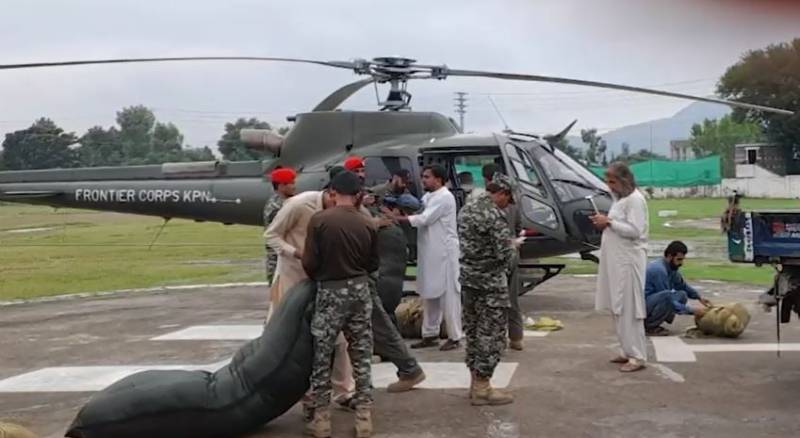
Army helicopters have been deployed to deliver food rations, drinking water, and essential supplies to cut-off communities. At the same time, mass evacuation efforts are underway to shift stranded families from high-risk areas to safer shelters. Medical relief remains a major focus, with military doctors and paramedics establishing field camps that provide free treatment and medicines to flood-affected populations.
A notable development came when the army successfully reopened the road connecting Qadir Nagar to Bhittai Dara in Buner. This breakthrough not only restored connectivity but also allowed the smooth transportation of relief goods and heavy machinery essential for rebuilding damaged infrastructure.
Officials stated that the Pakistan Army’s intensified flood relief in Khyber Pakhtunkhwa will continue until full rehabilitation of the affected communities is achieved. Troops remain on high alert as weather forecasts predict further rain in the coming days, raising concerns about additional flooding and landslides in mountainous areas.
The military emphasised its commitment to supporting civil administration in tackling this natural disaster. Coordination with the National Disaster Management Authority (NDMA) and local authorities has been strengthened to ensure efficient distribution of aid and timely evacuation operations.
Residents of flood-hit villages expressed relief and gratitude for the timely intervention, noting that army-led rescue missions have saved countless lives. The Pakistan Army reaffirmed that relief and rehabilitation operations will persist until normalcy returns to the disaster-stricken districts.
Related stories: