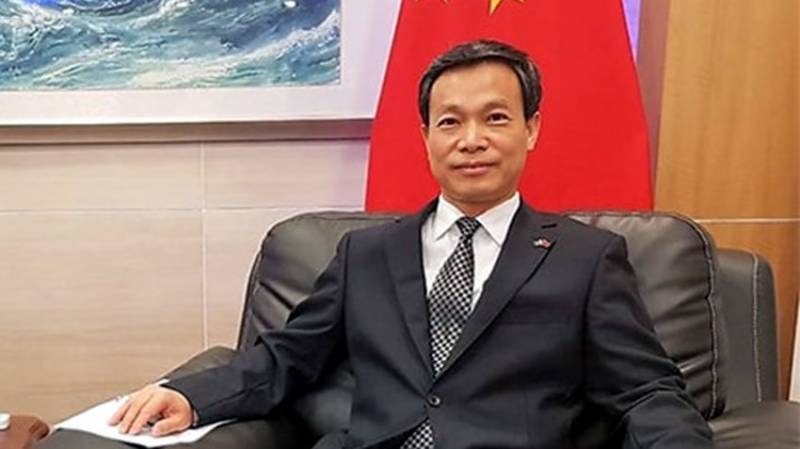

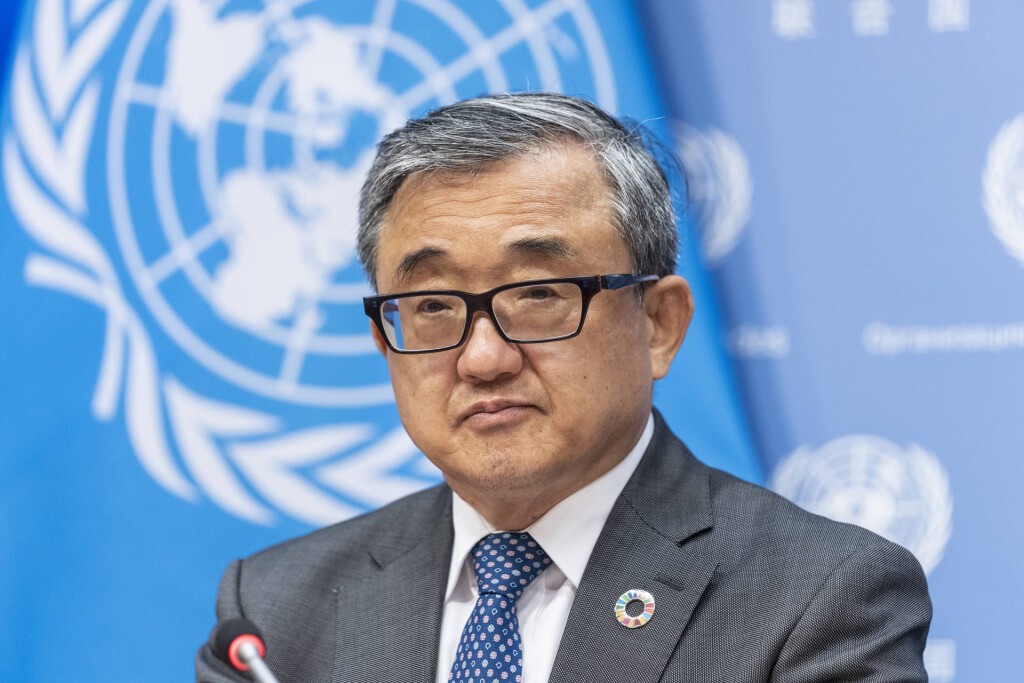
In a recent essay, Liu Zhenmin, former UN Under-Secretary-General and Chinese diplomat, reflects on how the post-WWII, UN-centred international order emerged and why it now stands at a critical crossroads.
He notes that the founding of the United Nations in 1945 marked the first time aggressive war was declared illegal and colonial rule legally began to unravel through the principle of self-determination. Over eighty years, nearly 200 states joined the system, and more than 600 treaties underpin global governance.
Despite these advances, Liu argues the international order faces urgent pressures. Instability among major powers, shifts in the global economy, and rising multipolarity mean the current system needs reform, not replacement. He calls for major states to collaborate and for an incremental approach to global-governance renewal.
Liu also highlights three global challenges that demand collective action: preventing nuclear war, responding to climate change, and governing artificial intelligence in an inclusive way. Without an effective international order, humanity risks either self-destruction or a return to the “rule of the jungle.”
He concludes that on the 80th anniversary of the UN and the end of World War II, nations must work together to preserve and update the system built on the UN Charter. He urges the Global South and China to help lead this reform, aiming for a more just, equitable, and peaceful global order.
Related stories: