

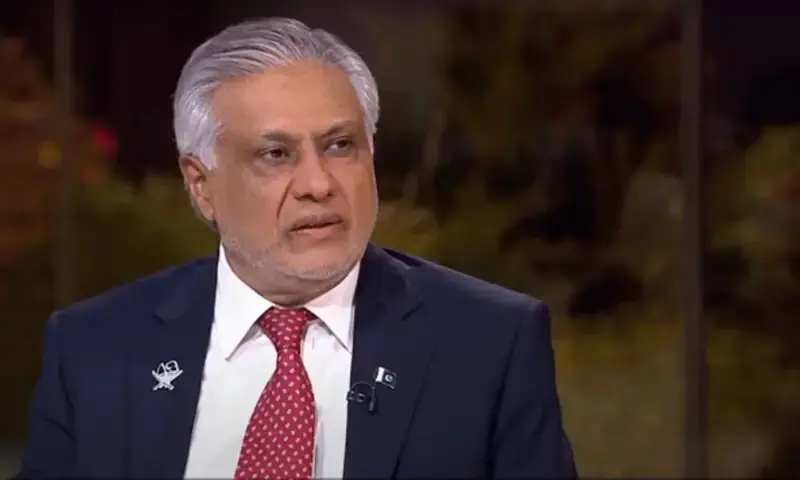
Deputy Prime Minister and Foreign Minister Ishaq Dar has called for urgent reforms in the multilateral system, stressing the need for stronger enforcement mechanisms within the UN Security Council (UNSC). Speaking in Qatar, Dar directly linked global instability to the UNSC’s inability to implement its own resolutions. He emphasised that ignoring these resolutions weakens international credibility.
Call for UN Reforms
Dar urged that the UNSC must adopt practical measures, including sanctions, to ensure compliance with its decisions. He warned that without enforcement, the Council risks becoming irrelevant.
Criticism of Israel
Ishaq Dar criticised Israel’s “rogue attitude,” accusing it of targeting Lebanon, Syria, Iran, and even Qatar, while obstructing peace efforts. He said Pakistan, as a non-permanent UNSC member, worked with Somalia and Algeria to summon a special session. He also mobilised support from OIC partners for collective action.
Palestine and Gaza Crisis
Highlighting Gaza’s dire situation, Dar said food had been weaponised. He cited over 60,000 deaths and 160,000 injuries in two years, demanding an immediate ceasefire and free humanitarian access. He noted that even non-Muslim nations now support Palestinians in their struggle for survival.
Pakistan-India Relations
On India, Dar rejected New Delhi’s claims of regional dominance. He recalled Pakistan’s defensive response in the May conflict and warned that India’s suspension of the Indus Waters Treaty would be considered an act of war. He said Pakistan welcomes talks but insisted dialogue must cover terrorism, trade, economy, and Kashmir.
Terrorism and Regional Security
Dar revealed that Pakistan has evidence of foreign agencies financing terrorism, which has been shared internationally. On Afghanistan, he noted improving ties but urged joint efforts against groups such as TTP and BLA.
Pakistan’s Security Stance
Concluding, Dar reaffirmed Pakistan’s position as a nuclear-armed state committed to regional stability. He stressed that while Pakistan seeks peace, it will never compromise on sovereignty or the safety of its people.
Related stories: