

Pakistan’s Economic Survey 2025–26 has highlighted Gwadar’s growing importance in the country’s economic and connectivity strategy, positioning the port city as a future regional center for trade, logistics, and transshipment.
Infrastructure Improves Port Connectivity
According to the survey, the Eastbay Expressway has significantly strengthened connectivity to Gwadar Port through a dedicated signal-free corridor linking the port, Free Zones, and the Makran Coastal Highway. Consequently, the route has reduced congestion, lowered transport costs, and improved cargo movement efficiency.
In addition, the government reported progress on plans to connect the New Gwadar International Airport with Gwadar Port and surrounding Free Zones through the second phase of infrastructure development. This initiative aims to support integrated sea-air logistics operations.
Gwadar Positioned for Regional Trade Growth
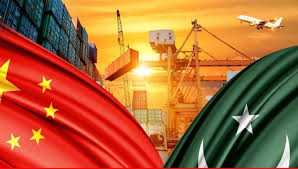
The survey described Gwadar Port as strategically located near the mouth of the Persian Gulf and close to one of the world’s busiest maritime trade routes. Moreover, development under the China-Pakistan Economic Corridor (CPEC) has increased Gwadar’s potential to become a regional center for trade and investment.
Officials stated that Gwadar is steadily developing into an important pillar of Pakistan’s maritime economy and broader regional trade architecture.
Free Zone and Port Operations Gain Momentum
Development activities continued during the fiscal year to improve the port’s commercial performance and operational capacity. Meanwhile, China Overseas Port Holding Company completed master planning and feasibility work for the main Free Zone covering 2,281 acres.
At the same time, construction on multiple industrial units has moved forward. Furthermore, international shipping companies continue regular operations, supporting increased commercial activity at the port.
Energy Projects Support Long-Term Development
The survey also outlined efforts to improve energy infrastructure in Gwadar. The government granted in-principle approval for processing a 40 MW power project for the region.
Additionally, authorities assessed plans to solarize 24 pumping stations and one desalination facility. The proposal includes 9.7 MW solar photovoltaic systems combined with battery energy storage and is expected to reduce operational costs while generating substantial annual savings.
Supporting Pakistan’s Regional Connectivity Goals
Overall, the Economic Survey presented these developments as part of Pakistan’s broader strategy to strengthen connectivity, infrastructure, energy security, and commercial growth in Gwadar.
As investment and infrastructure projects advance, Gwadar continues to build its position as a future regional trade and logistics gateway.
Read More Articles:
Pak Showcases Trade Potential at China Expo