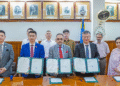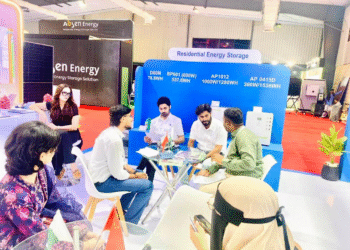

The University of Sargodha recently hosted its 2nd Annual Research Arena 2025, inaugurating a Citrus Exhibition alongside a Research and Industrial Expo. The event, organized by ORIC and the Institute of Food Science and Nutrition, showcased innovations in citrus cultivation and modern agro-processing techniques.
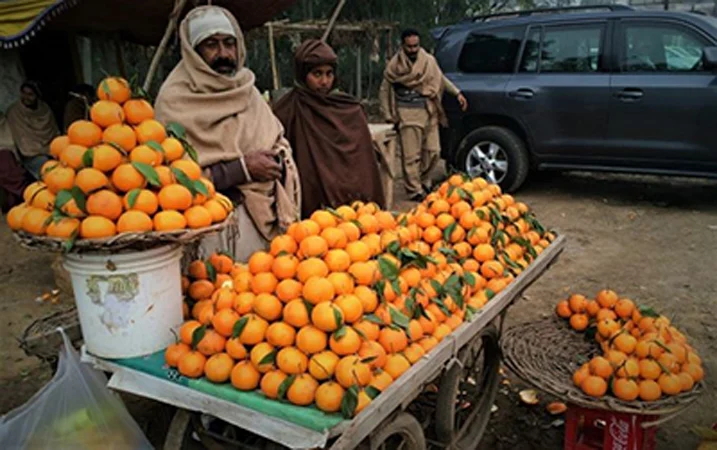
Sargodha, Pakistan’s leading producer of Kinnow mandarins, remains a key hub for national citrus production and exports. The exhibition highlighted academic research and industry engagement aimed at boosting sector productivity and addressing challenges faced by citrus growers.
A recent study published in the Policy Research Journal underscores the economic importance of Pakistan’s citrus sector and identifies China-Pakistan cooperation under CPEC as a potential driver of growth. Researchers noted that Pakistan produces over 2.2 million tonnes of citrus annually, with Punjab supplying more than 90% of the country’s total output.
The research highlighted challenges including climate stress, aging orchards, and weak logistics infrastructure that have contributed to declining citrus exports. Experts pointed out that CPEC investment in transport, storage, and port infrastructure, particularly linking citrus-growing regions to Gwadar Port, could reduce post-harvest losses and costs.
Further, the study emphasized China-Pakistan collaboration in agricultural research, including modern irrigation, disease-resistant varieties, and improved post-harvest handling. By meeting Chinese quality standards and phytosanitary requirements, Pakistan could expand citrus exports and strengthen regional trade under CPEC Phase 2.
Researchers concluded that combining infrastructure development, technological innovation, and market access through deeper CPEC cooperation could revive citrus exports, increase farmer incomes, and enhance long-term food and trade connectivity between Pakistan and China.
Related stories:
Pakistan, China ink Material Transfer Agreement to boost citrus industry