

China has urged members of the World Trade Organisation (WTO) to strengthen cooperation and defend the multilateral trading system amid growing global trade disruptions. The call came during the WTO General Council meeting in Geneva, held from Monday to Tuesday, where China took the lead in placing the issue on the agenda.
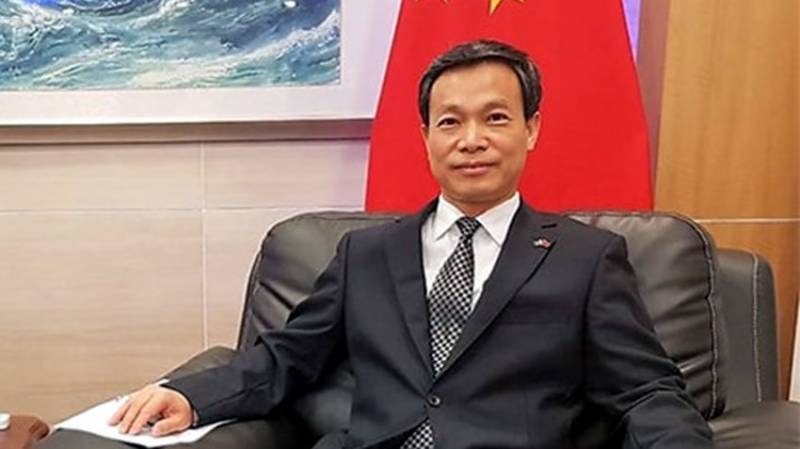
Li Yongjie, head of China’s Permanent Mission to the WTO, warned that the global economy is facing increasing turbulence, largely driven by unilateral trade measures. He specifically criticised the United States for imposing unilateral tariffs and using coercive trade tactics that undermine multilateral rules and disrupt global supply chains.
“These power-based trade practices are eroding the foundation of the rules-based multilateral system,” Li said, emphasising China’s deep concern over the trend.
China presented three key recommendations to address rising trade tensions: enhancing transparency and monitoring mechanisms, reaffirming collective commitment to multilateral rules, and taking concrete actions to deliver pragmatic outcomes within the WTO framework.
The proposal received broad support from WTO members, including the European Union, Brazil, Switzerland, Pakistan, and Australia. The EU and others expressed alarm over the weakening of global trade rules, while Australia, New Zealand, and South Korea urged stronger monitoring of unilateral tariffs and bilateral trade deals.
Developing nations such as Nigeria and Bangladesh also voiced concerns about the impact of unilateral trade actions on vulnerable economies, calling for greater assistance from the WTO.
Meanwhile, WTO Director-General Ngozi Okonjo-Iweala acknowledged the “stiff headwinds” caused by unilateral actions but noted that global trade continues to show resilience. The WTO has revised its forecast for global goods trade growth this year from 0.9% to 2.4%, reflecting cautious optimism despite ongoing challenges.
China’s appeal underscores the need for collective action to preserve fair, transparent, and rules-based trade amid an increasingly fragmented global economic landscape.
Related stories: