
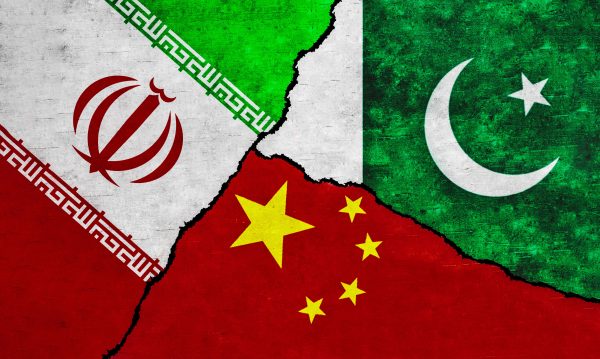
China and Iran returned to the diplomatic table in Beijing on September 16 as regional tensions continued to threaten the Strait of Hormuz, global energy supplies and efforts to restore negotiations between Tehran and Washington.
Chinese Foreign Minister Wang Yi met Iranian Foreign Minister Abbas Araghchi in Beijing and urged Iran and the United States to exercise restraint, return to the Islamabad Memorandum of Understanding and resume substantive consultations.
The timing is significant for Pakistan. Islamabad helped facilitate the US-Iran talks that produced the Islamabad MoU in June. Pakistan has since continued to call for dialogue and de-escalation while maintaining close relations with both China and Iran.
The Beijing talks therefore connect three diplomatic tracks: China’s engagement with Iran, Pakistan’s mediation efforts and the wider international effort to prevent the Middle East conflict from spreading further.
What Happened in Beijing?
The September 16 meeting came as the security situation around the Strait of Hormuz remained highly unstable.
According to China’s Foreign Ministry, Wang Yi called for the parties to return to the framework established by the Islamabad MoU and engage in substantive consultations. He also urged all sides to take effective measures to reopen the Strait of Hormuz and protect international energy transport and supply chains.
China also said it did not want regional tensions to spread further into Yemen and the Red Sea. Iranian Foreign Minister Abbas Araghchi, meanwhile, reaffirmed Iran’s position on defending its sovereignty while indicating openness to diplomatic approaches that protect what Tehran considers its legitimate interests. Reuters reported that the meeting took place against the backdrop of renewed efforts to restore negotiations between Iran and the United States.
The talks did not produce a new peace agreement. Their immediate significance lies in the diplomatic channel itself and in China’s attempt to keep negotiations on the table.
Why the Strait of Hormuz Matters
The Strait of Hormuz is one of the world’s most important energy chokepoints. A prolonged disruption would affect oil and gas shipments moving between the Gulf and international markets. China, as one of the world’s largest energy importers, has a direct economic interest in keeping the route open.
The issue is also important for Pakistan. Pakistan relies heavily on imported energy, while its economy is connected to international shipping and global commodity markets. Higher energy and transport costs can therefore create pressure on the country’s import bill and domestic prices.
Pakistan’s Foreign Office has repeatedly stressed the importance of restoring freedom of navigation and normal maritime activity in the Gulf. In July, Islamabad said it recognized the impact of the crisis on global energy supplies, international trade and food security.
The security of Hormuz is therefore not only a Gulf issue. Its consequences extend across South Asia.
Pakistan’s Diplomatic Role Matters
Pakistan has an unusually direct connection to the diplomatic process. The Islamabad Memorandum of Understanding was signed between Iran and the United States on June 18 following Pakistan’s mediation efforts. Pakistan and Qatar subsequently facilitated follow-up talks in Switzerland, creating a framework for technical negotiations and implementation.
Islamabad has continued to describe the MoU as a framework for returning to negotiations. Pakistan’s Foreign Office said in July that although the implementation process faced challenges, the MoU remained relevant and that the path back to negotiations was still available.
The September 16 Beijing meeting therefore matters to Pakistan because China itself is now urging the parties to return to the same diplomatic framework. That creates an area of convergence between Islamabad’s mediation efforts and Beijing’s diplomatic engagement.
China and Iran Have a Long-Term Strategic Relationship
The Beijing talks also need to be understood within the broader China-Iran relationship. China and Iran established diplomatic relations in 1971, and their relationship has developed into a comprehensive strategic partnership. In 2021, the two countries signed a 25-year cooperation agreement covering areas including economic, infrastructure and security cooperation.
Energy remains central to the relationship. The U.S.-China Economic and Security Review Commission reported in March 2026 that China was Iran’s largest trading partner and primary buyer of Iranian oil. It estimated that China purchased around 1.4 million barrels per day of Iranian crude in 2025, accounting for roughly 12 percent of China’s total crude imports.
That economic relationship gives Beijing a direct interest in stability around Iran and the Gulf. At the same time, China’s regional interests extend beyond Tehran. Beijing also maintains major economic relationships with Saudi Arabia and the United Arab Emirates. This means China’s diplomacy in the Middle East has to operate across competing regional interests rather than through its relationship with Iran alone.
Beijing Is Balancing Diplomacy and Economic Interests
China’s position has been consistent in one important respect: Beijing has repeatedly called for dialogue and a political solution.
In May, Wang Yi held talks with Araghchi in Beijing and discussed the Iran-US negotiations. China said it supported political negotiations and a peaceful settlement while calling for the Strait of Hormuz to return to normal and safe navigation.
By June, China said Wang Yi had held more than 30 calls and meetings with senior officials from countries involved in the regional crisis.
Beijing has also coordinated with Pakistan. In March, Wang Yi and Pakistan’s Deputy Prime Minister and Foreign Minister Ishaq Dar met in Beijing and issued a five-point initiative calling for an immediate cessation of hostilities, peace talks and the protection of regional sovereignty and security.
The pattern shows that China is using diplomacy across several channels rather than relying on a single bilateral relationship.
What Does This Mean for Pakistan?
For Islamabad, China’s engagement with Iran creates an additional diplomatic channel at a time when Pakistan is trying to keep the peace process alive.
Pakistan has important relations with China and Iran, while also maintaining strategic ties with Gulf states. Its geographic position makes regional stability particularly important.
A wider conflict could affect Pakistan through several routes: energy prices, trade disruptions, border pressures and maritime security.
Pakistan’s proximity to Iran also gives Islamabad a practical interest in preventing further escalation. At the same time, China is an important economic partner and the two countries have repeatedly coordinated their positions on regional security. Their approaches are not identical, but there is substantial overlap around the need for dialogue and regional stability.
A China-Pakistan Diplomatic Convergence
The latest Beijing talks are particularly notable because China explicitly referred to the Islamabad MoU.
That reference gives Pakistan’s earlier mediation effort continued diplomatic relevance. In March, China and Pakistan jointly called for an immediate cessation of hostilities and the start of peace talks. In July, Wang Yi told Ishaq Dar that China would continue supporting Pakistan’s mediation efforts.
Pakistan’s Foreign Office also confirmed in September that Islamabad remained engaged in efforts to resolve the Iran-US standoff. During the SCO Summit, Pakistani and Iranian leaders discussed the regional situation, while Pakistan reiterated its commitment to restraint, dialogue and diplomacy.
The Beijing meeting therefore does not replace Pakistan’s diplomatic role. Instead, it adds another major diplomatic actor to a process in which Islamabad has already invested considerable effort.
The Regional Connectivity Question
The crisis also has implications for the wider connectivity agenda involving Pakistan and China.
CPEC and Gwadar are designed to strengthen Pakistan’s role in regional trade and connectivity. But infrastructure projects ultimately depend on a wider environment of stable trade routes, predictable energy supplies and secure maritime links.
A prolonged disruption around Hormuz could raise the cost of transporting energy and goods across the region. It could also affect investment decisions and the operating environment for businesses connected to regional supply chains.
This does not mean the Beijing talks are directly about CPEC. The connection is broader. Regional stability affects the economic environment in which connectivity projects operate.
For Pakistan, maintaining diplomatic engagement with both China and Iran can therefore support a wider objective: keeping regional trade and transport networks functioning despite geopolitical tensions.
What Comes Next?
The Beijing talks have not resolved the wider Iran-US confrontation. Their significance lies in the effort to reopen diplomatic space.
China has called for the parties to return to the Islamabad MoU, while Pakistan continues to support the framework it helped facilitate. Iran has maintained its position on sovereignty and security, while the United States remains an important party to any future negotiations.
The central challenge will be turning diplomatic contacts into sustained negotiations and, eventually, arrangements that can reduce the risks around the Gulf.
For Pakistan, the stakes are immediate. A stable Gulf means more predictable energy supplies, safer maritime trade and less pressure on an already vulnerable regional economy.
For China, the stakes are equally broad. Its energy imports, commercial shipping and economic interests across the Middle East depend on a stable regional environment.
The September 16 talks in Beijing therefore matter beyond the China-Iran relationship. They are part of a larger diplomatic effort involving Beijing, Islamabad, Tehran and Washington, with consequences that reach across the Gulf, South Asia and the wider global economy.
Read More Articles:
China, Pakistan and the Houthis: Why the Red Sea Crisis Matters to Islamabad