
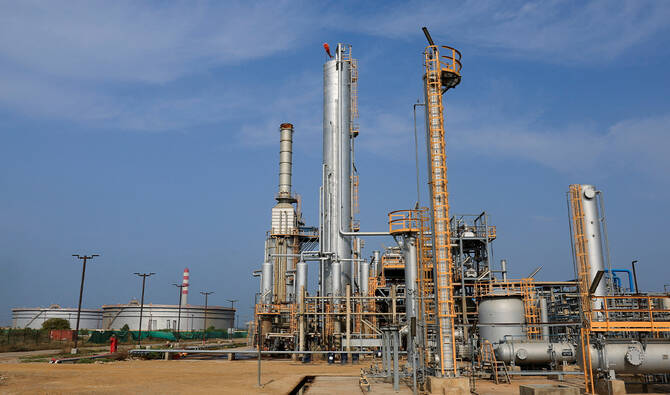
Pakistan’s oil refiners are seeking foreign financing for major upgrades to aging refining facilities. The industry expects the projects to require about $5 billion in investment.
Saudi Arabia, Azerbaijan and Türkiye have emerged as potential sources of funding, according to industry executives.
The upgrades will take place under Pakistan’s amended Brownfield Refining Policy. The policy offers incentives to existing refineries that modernize their facilities, produce cleaner fuels and increase the value of petroleum products.
Five Major Refineries Target Modernization
Pakistan has five major refineries:
- Pakistan Refinery Limited (PRL)
- National Refinery Limited (NRL)
- Pak-Arab Refinery Limited (PARCO)
- Cnergyico Pk Limited
- Attock Refinery Limited (ARL)
Together, these refineries have a crude processing capacity of about 350,000 barrels per stream day.
However, much of the country’s refining infrastructure requires significant investment to improve efficiency and fuel quality.
PRL Plans $1.9 Billion Investment
PRL Chief Executive Officer Mohsin Ali Mangi said the company plans to invest about $1.9 billion in its upgrade project.
The company will first complete front-end engineering and design. It will then seek bids covering engineering, procurement, construction and financing.
Mangi said Pakistan’s domestic capital markets and banking sector may not have enough capacity to finance projects of this scale.
Therefore, PRL is exploring foreign lenders and potential equity investors.
Cnergyico Plans $1.2 Billion Upgrade
Cnergyico Pk Limited also plans a major investment. Vice Chairman Usama Qureshi said the company expects to invest around $1.2 billion in three phases.
First, the refinery will upgrade its products to meet Euro-V fuel standards. Next, it will add facilities to convert furnace oil into higher-value petroleum products.
Finally, the company plans to increase its processing capacity by 28%, reaching around 200,000 barrels per day.
Policy Clears Key Regulatory Hurdle
The government approved amendments to the Brownfield Refining Policy on July 28. The decision removed an important regulatory hurdle for the long-delayed modernization projects.
Brownfield projects focus on upgrading existing facilities instead of constructing completely new refineries.
Refiners are now working with the government to finalize individual upgrade agreements. These agreements will establish the terms for each project.
Foreign Financing Remains a Challenge
Securing financing remains the biggest challenge for Pakistan’s refiners.
Mangi said arranging large foreign debt packages could take six to 12 months. PRL has already begun discussions with foreign lenders and potential investors.
Saudi Arabia is among the markets being explored. Investors from Azerbaijan and Türkiye are also potential partners.
However, refiners still need clarity on governance, financing mechanisms and project disbursement.
Investor Confidence Will Be Crucial
A senior refinery official said policy approval was only the first step. Refiners must still secure billions of dollars in long-term financing and foreign exchange.
Moreover, investors will need confidence that Pakistan’s fiscal and regulatory framework will remain stable throughout the projects.
If successful, the upgrades could significantly modernize Pakistan’s refining sector. They could also improve fuel quality, reduce low-value furnace oil production and increase domestic output of higher-value petroleum products.
Read More Articles:
Pakistani Robotics Firm Seeks China Partnerships