

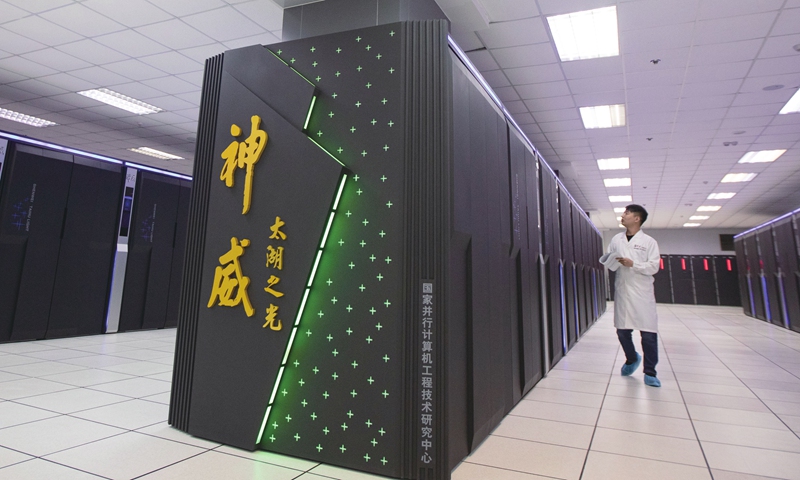
China has officially claimed the top spot on the global list of the world’s fastest supercomputers, overtaking the United States. However, experts note this milestone may reflect Beijing’s push for technological self-sufficiency rather than its actual lead in the global artificial intelligence race.
Domestically Designed Breakthrough
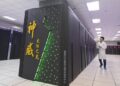
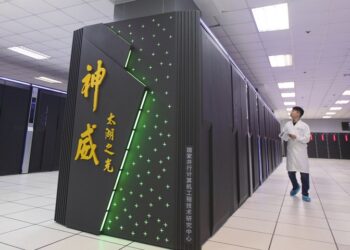
The new number-one system is called LineShine, located at the National Supercomputing Centre in Shenzhen. It operates entirely on domestically designed Chinese chips. LineShine clinched the top position on the TOP500, a biannual global ranking. This marks the state’s first entry on the list in three years.
Shifting Tech Rivalries
In the June 2026 edition of the TOP500 list, LineShine beat the previous American titleholder, El Capitan. Housed at the Lawrence Livermore National Laboratory, El Capitan is utilized by the U.S. government to manage its nuclear weapons stockpile. This shift comes amid intensifying tech competition. On Monday, U.S. President Donald Trump signed an executive order aimed at outpacing Beijing in quantum computing.
China Lacking in AI Capabilities
Nonetheless, technology and policy experts caution that these results do not crown it as the leader in AI computing. Modern changes in the tech industry and specific testing methods affect how the list is compiled. In fact, LineShine only ranked fourth on a benchmark test designed to simulate actual AI workloads. Instead, experts believe the submission shows China’s desire for global recognition of its homegrown chip manufacturing.
China Returning to Global Stage
China first topped the supercomputing list back in 2010. For over a decade, it traded the title with the U.S. and Japan. However, Beijing stopped submitting its systems in 2023 following a wave of strict U.S. export controls.
Industry analysts were caught off guard by its sudden return. Addison Snell, CEO of Intersect360 Research, noted that while the system’s raw power isn’t surprising, China’s decision to actively submit it for global recognition certainly is.
Read More Articles:
Pakistan China Tech Collaboration Boosts 5G Access