


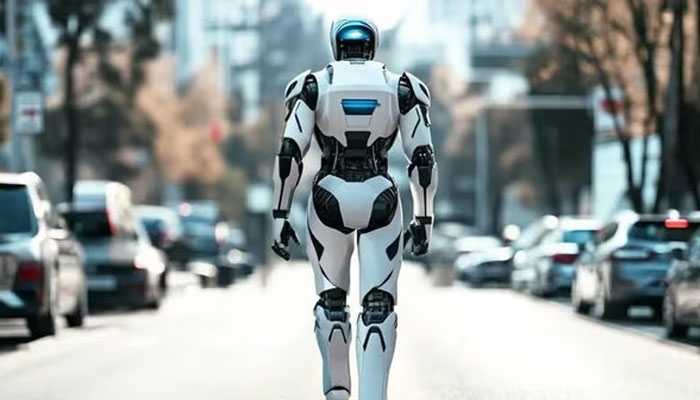
China has created its first exoskeleton robot designed for emergency mine rescues, marking a significant advancement in human-machine collaborative operations.
The system, developed by Shendong Coal Group in partnership with China Coal Research Institute under CHN Energy, is undergoing industrial testing and has completed three practical training rounds with a national mine rescue team, demonstrating adaptability and stability in underground conditions.
The robot features a “rigid-flexible coupling” design with power-assist modules for upper and lower limbs, integrated multi-sensors, and an AI controller, enabling efficient collaboration between humans and machines in high-risk mine environments.
Key specifications include six hours of continuous operation, 95% movement recognition accuracy, and an 80-kilogram load capacity for carrying or dragging. The system reduces human metabolic energy consumption by approximately 20%, enhancing rescue personnel endurance.
Beyond emergency response, the exoskeleton can be used for high-intensity mining tasks such as material handling and equipment installation, contributing to China’s broader mine safety modernization efforts.
Related stories: