
Pakistani Senator Saleem Mandviwala has urged the creation of stronger legal and institutional frameworks to ensure the sustainable and high-quality advancement of the Belt and Road Initiative (BRI), including the China–Pakistan Economic Corridor (CPEC).
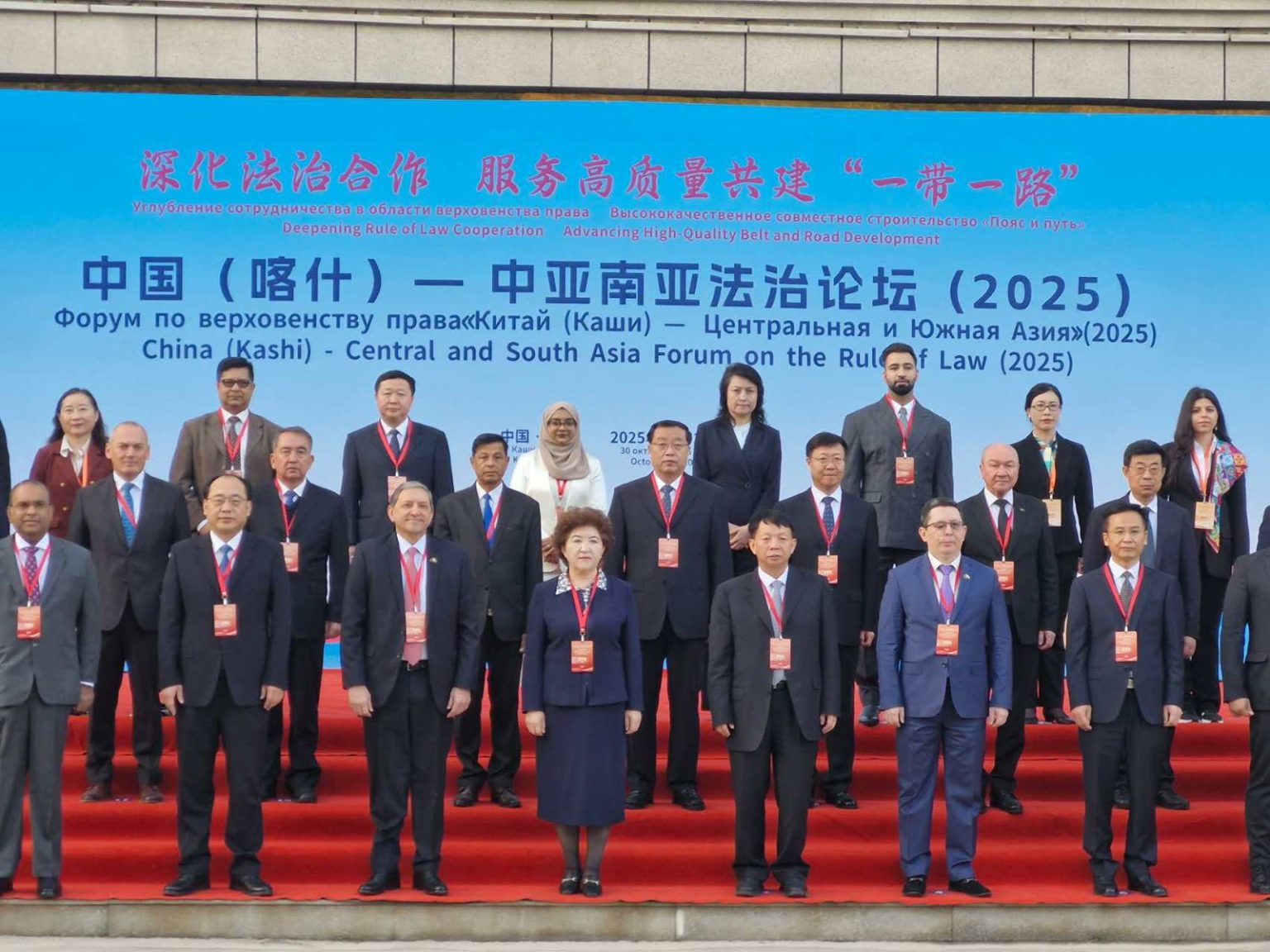
Speaking at the China (Kashgar)–Central and South Asia Rule of Law Forum on Thursday, Senator Mandviwala highlighted the importance of the rule of law as the foundation for attracting investment and maintaining long-term cooperation. He outlined a three-pillar strategy inspired by Pakistan’s development experience, emphasizing that transparency, trust, and mutual respect must guide all BRI partnerships.
“The BRI represents our shared path toward connectivity and prosperity,” he stated. “To guarantee its success, we must build a reliable legal environment that protects investors and ensures equitable outcomes for all participants.”
The senator noted that investor confidence depends on consistent legal safeguards, including enforceable contracts, intellectual property protection, and the assurance of profit repatriation. While acknowledging that commercial disputes are inevitable, he stressed that uncertainty in their resolution deters investors. He proposed establishing international commercial courts and arbitration centers to enhance trust and accountability among global partners.
Mandviwala further called for greater investment in joint legal education, training, and exchange programs to develop professionals skilled in international commercial law.
Recognizing CPEC as the “flagship project” of the BRI, he said the initiative has entered a new and ambitious phase focusing on industrial expansion, agricultural development, and digital transformation.
Concluding his remarks, the senator reaffirmed Pakistan’s continued commitment under President Asif Ali Zardari’s leadership to strengthen the legal and institutional framework that underpins CPEC and broader BRI cooperation. The ongoing forum, which runs through October 31, brings together regional representatives to enhance legal collaboration and align regulatory standards for shared economic growth.
Related stories: