

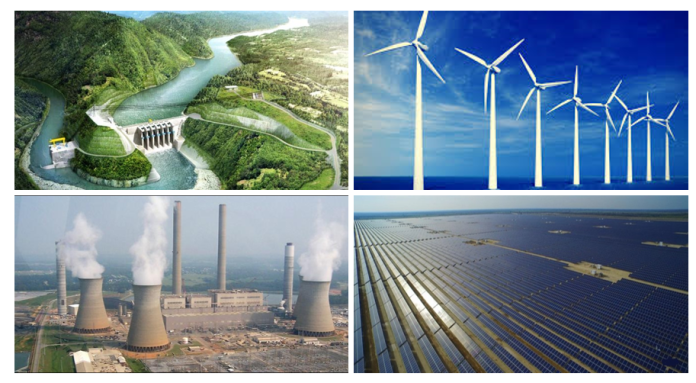
Sindh has seen significant progress under the China-Pakistan Economic Corridor with the completion of 12 major energy projects. These initiatives span coal, renewable, and transmission sectors, enhancing electricity generation, transmission capacity, and overall energy security across the province. The projects were implemented through various models, including Independent Power Producer (IPP), Foreign Direct Investment (FDI), and Build-Operate-Transfer (BOT) arrangements, reflecting strategic investment and collaboration.
Key coal and renewable projects include the 660MW Engro Thar Power & Mine project in Tharparkar, several wind farms in Thatta, and the 1,320MW Port Qasim Coal Power Plant in Karachi. These facilities not only contribute to Pakistan’s energy supply but also support clean energy and industrial development. Investments range from $113 million for wind projects to $1.9 billion for large coal plants, showcasing a comprehensive energy upgrade in Sindh.
The ±660kV Matiari-Lahore HVDC transmission line, completed under the BOT model at a cost of $1.7 billion, enables long-distance, high-efficiency electricity transmission from Sindh to Punjab. This marks Pakistan’s first HVDC system and strengthens the national grid, ensuring consistent power flow across regions. Projects in the Thar coal ecosystem, including Thar Block-I and TCB mines, enhance energy self-sufficiency and long-term stability for the province.
Collectively, these completed CPEC energy projects represent a transformative phase in Sindh’s energy sector. They provide reliable electricity for households and industries, reduce dependence on imported fuels, and strengthen Pakistan’s position in regional energy security. The success of these initiatives demonstrates the growing impact of CPEC in driving sustainable infrastructure, economic growth, and industrial advancement.
Related stories: