
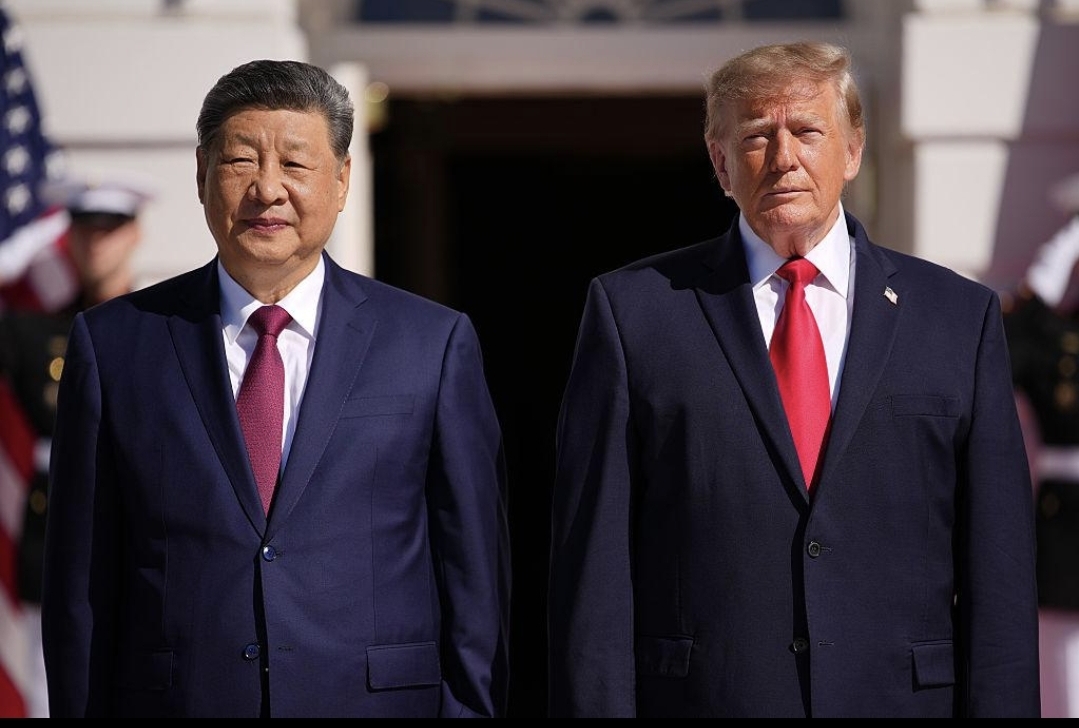
CPEC 2.0 and China trade are becoming increasingly important to Pakistan’s economic strategy as global supply chains adjust to US–China trade tensions. The September 2026 summit between US President Donald Trump and Chinese President Xi Jinping offered a measure of stability, but important economic and strategic differences remain. For Pakistan, the outcome raises a crucial question: can the next phase of CPEC attract investment that strengthens local manufacturing, creates skilled jobs and expands exports?
Xi visited the United States from 23 to 25 September 2026. According to Reuters’ reporting on the negotiations, the two countries agreed to extend their existing trade truce by two months, from its original 10 November deadline to 10 January 2027. The extension provides more time to negotiate a broader agreement, but it does not amount to a comprehensive settlement.
China’s Foreign Ministry subsequently announced eight deliverables and understandings from the visit, including further economic and trade consultations and the establishment of a bilateral artificial intelligence dialogue. The announcements indicate that both governments want to manage their differences, even as disagreements over technology, trade and security continue.
Pakistan is not a party to these negotiations. However, China is central to its economic relationship with CPEC, and changes in US–China trade policy can influence the investment environment, manufacturing decisions and competition facing Pakistani businesses.
What the Trump–Xi Summit Means for CPEC 2.0 and China Trade
The immediate outcome was an extension of the trade truce, rather than a sweeping new settlement. Reuters reported that the agreement gives Washington and Beijing additional time to work towards a broader deal. The two governments also discussed tariff arrangements and other areas of economic cooperation.
China’s official account of the visit described an agreement to advance economic and trade consultation mechanisms, including a US$30 billion reciprocal tariff-reduction arrangement. It also announced a planned AI dialogue, with another exchange scheduled for November 2026. These are announced understandings; their practical effects depend on implementation and further negotiations.
For Pakistan, the distinction matters. A more stable trading relationship between the world’s two largest economies could reduce uncertainty for businesses planning production and exports. Renewed tensions, meanwhile, could encourage companies to reconsider where they manufacture goods and source components.
Neither outcome guarantees an advantage for Pakistan. The relationship between CPEC 2.0 and China trade will depend on whether Pakistan can offer the infrastructure, workforce, policy stability and market access that investors require.
Why China Trade Matters to CPEC 2.0
China’s export performance provides important context. In a Reuters report published on 14 October 2026, Chinese exports rose 36.3 per cent year-on-year in September, while imports increased 31 per cent. China recorded a monthly trade surplus of US$133.53 billion. Its surplus for the first nine months of 2026 reached US$938.11 billion, putting the annual total on course to exceed US$1 trillion.
The figures illustrate the scale of China’s manufacturing and export capacity. They also come amid international concern about trade imbalances and the competitive pressure that Chinese industrial output can place on producers elsewhere.
For Pakistan, this presents both an opportunity and a challenge. Chinese manufacturers may consider overseas production as they manage costs, supply-chain risks and access to foreign markets. However, companies will compare Pakistan with other manufacturing destinations, including Vietnam, Bangladesh, Indonesia and India.
Pakistan therefore needs more than the prospect of Chinese investment. It needs partnerships that help local firms improve productivity, meet international standards and reach customers beyond the domestic market.
CPEC 2.0: Turning Chinese Investment into Manufacturing
Pakistan and China have increasingly presented CPEC’s second phase as a move towards industrial cooperation, agriculture, minerals, technology, skills development and business-to-business partnerships. The CPEC Secretariat’s progress review provides official context for the priorities identified for Phase II.
Pakistan has also promoted Special Economic Zones as platforms for industrial investment. These include Rashakai, Allama Iqbal Industrial City, Dhabeji and Bostan. Their long-term value, however, depends on more than announcements or the availability of land.
Manufacturers need reliable electricity, efficient logistics, predictable regulations, access to finance and workers trained for modern production. Local suppliers must be able to meet the cost, quality and delivery standards expected by larger companies.
The relationship between CPEC 2.0 and China trade will depend on whether investment helps Pakistani businesses improve productivity, quality and export capacity. Joint ventures and supplier partnerships can support this process when they bring technical knowledge, production standards and access to wider markets.
There is also a domestic competitive challenge. A greater supply of competitively priced Chinese goods can benefit consumers and businesses that rely on imported inputs, while placing pressure on local producers in some sectors. Pakistan’s objective should be to build an industrial base capable of competing on quality and price, rather than assuming that imports or foreign investment are automatically beneficial or harmful.
China Trade and Technology Cooperation
Technology is another important dimension of US–China relations. The two countries continue to compete over advanced computing and artificial intelligence, while also exploring ways to maintain communication on the risks and benefits of emerging technologies.
China’s Foreign Ministry said the summit produced an understanding to establish a bilateral AI dialogue, with another exchange planned for November. The announcement creates a channel for discussion, but it should not be interpreted as an end to technological competition between Washington and Beijing.
Pakistan has identified technology and human-resource development as areas for deeper cooperation with China. For the country, the challenge is to translate access to technology into skills and capabilities that strengthen local businesses.
Importing equipment or software does not automatically create technology transfer. Universities, technical institutes and businesses need closer links so that training reflects industrial requirements. Workers must be able to operate, maintain and adapt modern systems, while companies need the capacity to use digital tools to improve production and logistics.
Artificial intelligence may support manufacturing, agriculture and supply-chain management, but its benefits depend on infrastructure, skills and practical adoption. Technology cooperation should therefore be judged by the capabilities it builds in Pakistan, not simply by the number of agreements announced.
How Pakistan Can Benefit from Changes in China Trade
The summit does not determine whether CPEC 2.0 will succeed. Pakistan’s domestic policies will play a more direct role in deciding whether Chinese interest becomes productive investment.
Three priorities stand out.
First, make industrial zones investment-ready. Reliable utilities, efficient customs procedures, transparent regulations and effective transport connections are essential if businesses are to establish and expand manufacturing operations.
Second, connect foreign investors with Pakistani companies. Supplier-development programmes, joint ventures and technical partnerships can help local firms meet international standards and participate in regional supply chains. The benefits will be greater when cooperation strengthens domestic production rather than relying primarily on imported finished goods.
Third, align skills development with industry. Technical training, engineering education and digital skills should respond to the needs of manufacturers and technology businesses. A capable workforce can help Pakistan attract more sophisticated investment and increase the value generated locally.
These priorities matter whether US–China relations improve or deteriorate. Greater stability may make trade planning easier, while renewed tensions could encourage some businesses to diversify their supply chains. Neither scenario guarantees that Pakistan will capture new investment.
The country must still address the practical conditions that shape business decisions, including energy reliability, logistics costs, access to finance and regulatory predictability.
The Real Test for CPEC 2.0
The Trump–Xi summit has extended the period of trade stability, but it has not resolved the deeper economic and strategic differences between Washington and Beijing. China’s export strength and continuing uncertainty over global trade make Pakistan’s industrial choices more consequential, without creating an automatic route to economic growth.
CPEC 2.0 offers a framework for cooperation in manufacturing, agriculture, minerals and technology. Whether that framework produces lasting benefits will depend on Pakistan’s ability to turn investment into competitive production, skilled employment and export growth.
Ultimately, CPEC 2.0 and China trade can create opportunities for Pakistan, but sustained gains will depend on domestic competitiveness and effective implementation. The central question for Islamabad is not simply what Washington and Beijing agree next. It is whether Pakistan can prepare its economy to benefit when global supply chains change and businesses seek new production partners.
Related Articles from The Daily CPEC
Xi, Trump Highlight China-US Cooperation
Read more about the September summit and the areas of cooperation discussed by the two governments.
Chinese Ambassador Jiang Zaidong Announces Major CPEC 2.0 Push
Explore the wider industrial and investment agenda shaping the next phase of CPEC.
Pakistan Exports to China Jump 45% to $478m
Examine recent growth in Pakistan’s exports to China and the importance of expanding market access.
Pakistan-China Trade Hits $16.44bn, Envoy Confirms
Learn more about the scale of bilateral trade and its implications for Pakistan-China economic cooperation.
Sources
- China’s Ministry of Foreign Affairs: China and the United States Reach Eight Deliverables and Understandings, 26 September 2026.
- Reuters: US and China Agree to Extend Trade Truce by Two Months, 23 September 2026.
- Reuters: China’s Exports Surge 36.3% in September, 14 October 2026.
- CPEC Secretariat: 92nd CPEC Progress Review Meeting, 31 August 2026.