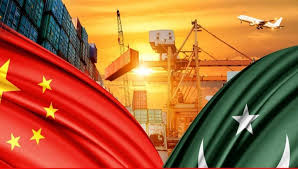

Pakistan rice exports to China have expanded sharply in 2026, creating an opportunity to strengthen agricultural trade and deepen economic cooperation under CPEC 2.0. According to the Associated Press of Pakistan (APP), Pakistan exported 360,887 tonnes of rice to China worth $122.99 million between January and July 2026. Export value rose by 200.49 percent year-on-year, while shipment volume increased by 265.55 percent. Separately, figures reported by The Daily CPEC from Chinese Ambassador Jiang Zaidong’s remarks put shipments at approximately 373,000 tonnes, worth $127 million, during January–August. Together, the figures highlight China’s growing importance as a market for Pakistani agricultural products.
Pakistan Rice Exports to China: A Growing Market
The increase represents more than a rise in shipment volumes. It points to an opportunity for Pakistan to diversify its agricultural export destinations, attract investment in food processing and build stronger commercial relationships with Chinese importers. APP’s reporting on Chinese customs data shows that demand has extended across several rice categories, including milled long-grain rice and broken rice. Guangdong was the leading destination for Pakistani rice during January–July 2026, importing products worth $41.64 million. Beijing and Jiangxi were also significant markets.
This performance builds on earlier growth. In 2025, Pakistan’s rice exports to China increased substantially, as discussed in The Daily CPEC’s report on rice exports to China. However, strong growth over a limited period does not guarantee long-term market dominance. Sustaining Pakistan rice exports to China will require reliable supply, competitive pricing, consistent quality and stronger relationships with buyers.
Quality and Compliance Will Shape Future Growth
Access to a large market is only one part of export success. Pakistani suppliers must also meet China’s food-safety requirements, maintain consistent product specifications and ensure that shipments satisfy the relevant import and inspection rules. Variations in grain quality, processing, packaging or documentation can undermine buyer confidence and disrupt repeat orders.
Exporters therefore need to invest in modern milling, testing, traceability and post-harvest handling. Stronger coordination between growers, rice mills, exporters and regulatory bodies could help improve consistency from farm to port. Building trusted supply chains would also make it easier for Pakistani businesses to move beyond bulk shipments towards branded and packaged products that can capture greater value.
The opportunity is not simply to sell more rice. It is to develop a dependable export system that can serve Chinese buyers over the long term.
Hybrid Rice Research Could Strengthen Pakistan’s Agricultural Exports
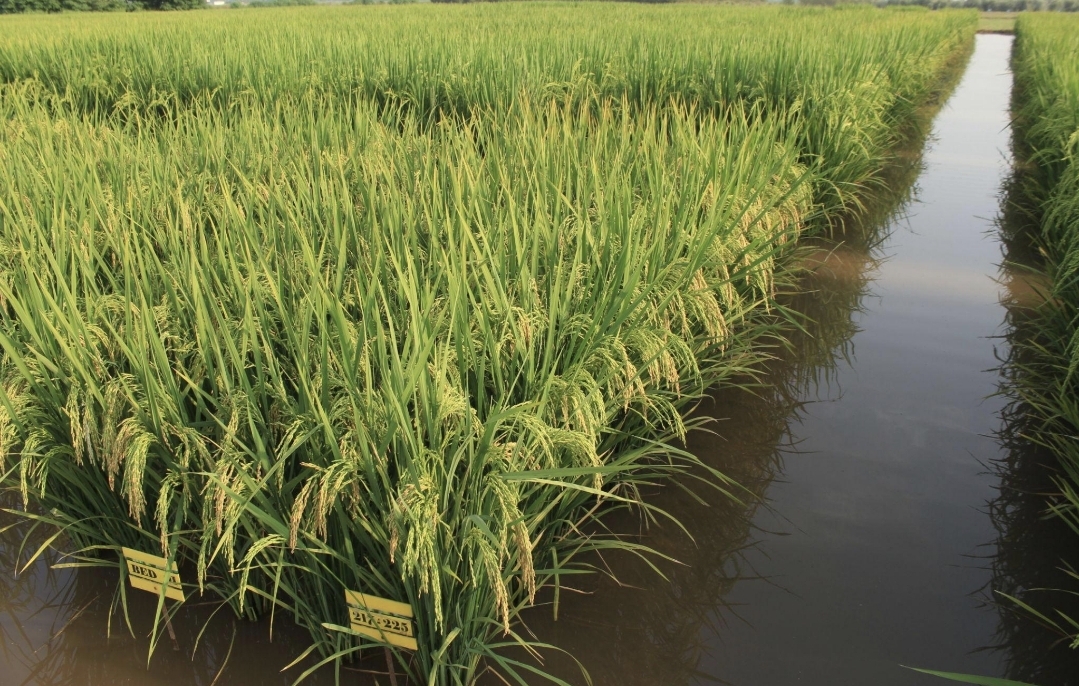
Scientific cooperation offers another route to higher productivity. On March 11, 2026, the University of the Punjab announced a commercialisation agreement with Pesticon Seeds for PU-786, a hybrid rice variety developed in collaboration with Wuhan University in China. The university said the variety had undergone research and testing across Pakistan’s four provinces and was designed to offer resistance to bacterial diseases, extreme heat and pests.
The announcement also outlined a potential yield of 140 maunds per acre, although actual results will depend on local growing conditions and farm practices. The development is part of a wider effort to connect research with commercial agriculture. Further details are available in the university’s official announcement on PU-786 and The Daily CPEC’s report on the hybrid rice commercialisation agreement.
Higher yields could help farmers improve productivity and support export supply, but seed adoption, affordability, farmer training and independent performance assessments will matter. Research must translate into measurable gains in farmers’ incomes and product quality if it is to strengthen the export sector.
CPEC 2.0 and the Future of Pakistan’s Rice Exports to China
Agriculture has growing relevance within the broader Pakistan-China economic relationship. Under CPEC 2.0, cooperation is increasingly discussed alongside industrial development, investment and technological exchange. Rice research, improved seed varieties and stronger links between agricultural institutions and businesses can contribute to this agenda.
However, research agreements alone cannot transform agricultural trade. Progress will depend on whether cooperation leads to practical investment in seed development, processing facilities, storage, logistics and quality certification. Better coordination between public institutions and private exporters will also be essential to connect Pakistani producers with the needs of Chinese buyers.
Agricultural cooperation can complement infrastructure and industrial projects by expanding the range of goods Pakistan sells abroad. For that potential to materialise, initiatives must move from announcements and pilot projects to commercially viable operations with clear benefits for farmers and businesses.
From Bulk Shipments to Higher-Value Exports
The next stage of growth should focus on value addition as well as volume. Pakistani exporters could explore stronger branding, improved packaging, differentiated rice varieties and closer partnerships with Chinese distributors and food processors. These steps may help businesses capture more value from each shipment rather than competing primarily on price.
Market diversification within China also matters. The concentration of imports in destinations such as Guangdong and Beijing demonstrates the importance of established trading centres, but exporters should assess opportunities in other regions according to demand, distribution costs and buyer requirements. Long-term supply agreements and direct business-to-business engagement could make orders more predictable.
The future of Pakistan rice exports to China will depend on whether current momentum supports more productive agriculture, higher-value exports and durable commercial relationships. Meeting this challenge requires more than expanding acreage or shipment volumes. It calls for coordinated investment in research, quality assurance, processing and market development.
Turning Export Growth into a Lasting Partnership
Pakistan’s rice trade with China has delivered a notable increase in 2026, offering evidence of an expanding commercial opportunity. Yet the durability of that growth will depend on the country’s ability to supply consistent quality, meet import requirements and compete reliably in the Chinese market.
Hybrid rice research and agricultural cooperation under CPEC 2.0 could help strengthen the production base, provided the benefits reach farmers and translate into commercially sustainable results. At the same time, exporters must invest in processing, traceability, packaging and relationships with buyers.
For Pakistan, the goal should be to turn rising rice shipments into a broader agricultural export strategy. That means using access to China not only to sell more commodities, but also to build productive capacity, improve rural incomes and develop higher-value trade. If supported by consistent implementation and evidence-based planning, Pakistan rice exports to China could become an important part of a more diversified economic partnership.