

Pakistan and China are in advanced discussions to form a new regional organization that could potentially take the place of the now-ineffective South Asian Association for Regional Cooperation (SAARC). According to diplomatic sources, both nations believe that a new framework is essential to promote regional integration and connectivity.
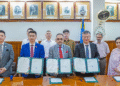
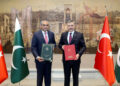
The recent trilateral meeting between Pakistan, China, and Bangladesh in Kunming, China, was seen as part of this broader diplomatic initiative. This meeting, involving senior officials from the three countries, was unprecedented and reportedly drew India’s attention.
The objective of the Kunming gathering on June 19 was to lay the groundwork for inviting other former SAARC member states to join the new regional bloc. Although India will be invited, it is unlikely to participate due to its differing regional outlook.
Other South Asian countries such as Sri Lanka, the Maldives, and Afghanistan are expected to join the proposed grouping, which aims to foster deeper cooperation in trade and regional connectivity.
Should this new organization take shape, it would mark the end of SAARC, once envisioned as South Asia’s version of the European Union, but long hampered by tensions between India and Pakistan.
SAARC has been inactive for nearly a decade. Its last summit, scheduled to be held in Islamabad in 2016, was derailed when India pulled out, with Bangladesh, then led by the pro-India Sheikh Hasina government, also opting out of the meeting.
Since then, the grouping has remained dormant, despite Pakistan’s repeated efforts to revive it. A further blow was dealt when India recently stopped issuing special SAARC visas to Pakistani businessmen following the Pahalgam attack.
Pakistan and China have been deliberating for months on the need for a new alliance and have concluded that collaboration among like-minded countries is crucial for a prosperous regional future.
Observers note that India, due to its differing interests, often appears misaligned with other regional platforms like the Shanghai Cooperation Organization (SCO). Prime Minister Modi skipped the last two SCO summits, highlighting India’s growing discomfort with the grouping’s direction, particularly given the influential roles of China and Russia, which position the SCO as a counterweight to Western influence.
Related Posts