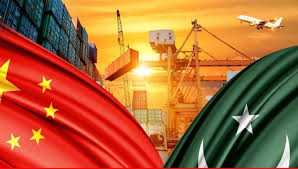


Pakistan’s Khunjerab border crossing recorded a major rise in trade activity during FY2025-26. Customs authorities collected around Rs14.93 billion from imports passing through the route.
The figure rose from Rs13.67 billion in the previous fiscal year. It marks a new revenue record for the northern trade corridor.
Meanwhile, exports through Khunjerab reached around Rs2.8 billion. Pakistani goods travelled through the route to China and Central Asian markets.
Growing Importance of the Khunjerab-Sost Corridor
The latest figures highlight the growing role of the Khunjerab-Sost corridor in Pakistan’s regional trade.
Machinery, electric vehicles, consumer products and other Chinese goods are increasingly moving through the mountainous border crossing. Some cargo that traditionally travelled through Karachi is now using the northern route.
For businesses in Gilgit-Baltistan, this growth is creating opportunities for transporters, customs agents, traders and logistics providers around Sost Dry Port.
TIR System Opens Central Asian Markets
The expansion of the TIR transit system is also supporting Pakistani exports. Products such as cherries, fruits, gemstones, handicrafts, rice, garments and leather goods can reach Chinese and Central Asian markets through the route.
Moreover, the corridor could strengthen Pakistan’s position as a land bridge between China and Central Asia.
However, exports remain much lower than imports. This highlights the continuing trade imbalance between Pakistan and China.
Trade Deficit Remains a Challenge
Pakistan-China bilateral trade has crossed $25 billion in recent years. Pakistan’s exports to China generally remain around $2.5–2.8 billion.
In comparison, imports from China have reached approximately $16–20 billion or more in recent fiscal data. The gap continues to contribute to Pakistan’s trade deficit.
Therefore, increasing exports through northern trade routes remains an important priority.
Khunjerab Supports CPEC 2.0
The rising cargo movement is also changing Pakistan’s logistics network. The northern route offers an alternative to maritime supply chains through southern ports.
For CPEC 2.0, this development carries wider significance. The next phase is increasingly focusing on industrialisation, Special Economic Zones, agriculture, mining, technology, artificial intelligence and export growth.
Furthermore, stronger connectivity through Khunjerab could help Pakistani producers reach Chinese and Central Asian consumers more efficiently.
Crackdown on Smuggling
Authorities are also strengthening enforcement along the route. Recent operations resulted in the seizure of smartphones, wine and pork valued at around Rs158 million.
Officials subsequently processed the confiscated goods through legal disposal and auction procedures. Such measures aim to bring more trade into the formal economy and protect legitimate businesses.
A Strategic Link with China
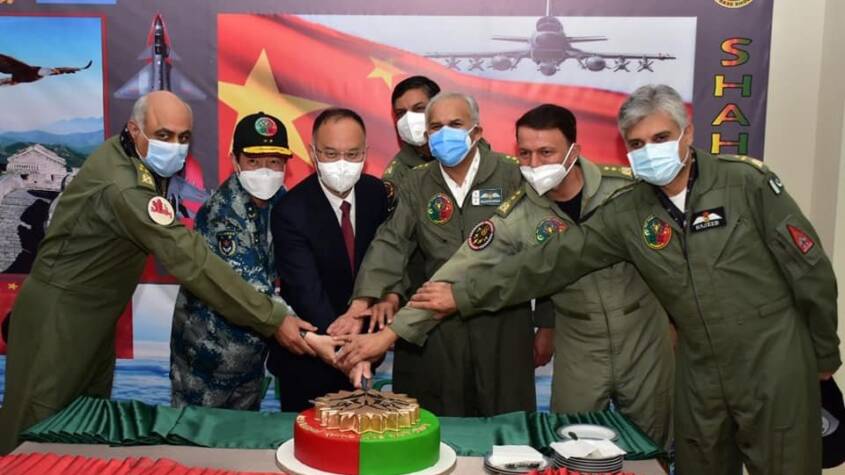
The Khunjerab route forms part of Pakistan and China’s broader economic partnership. Both countries describe their relationship as an all-weather strategic cooperative partnership.
China remains a major investment and defence partner for Pakistan. Cooperation also includes programmes such as the JF-17 and collaboration through international forums.
Northern Corridor Gains Momentum
Overall, record customs revenue shows the growing importance of Khunjerab in Pakistan’s trade architecture.
With expanding TIR transit and CPEC 2.0, the route could become an increasingly important logistics link connecting Pakistan, China and Central Asia.
Read More Articles:
Zardari Hails Saudi Envoy for Stronger Ties