
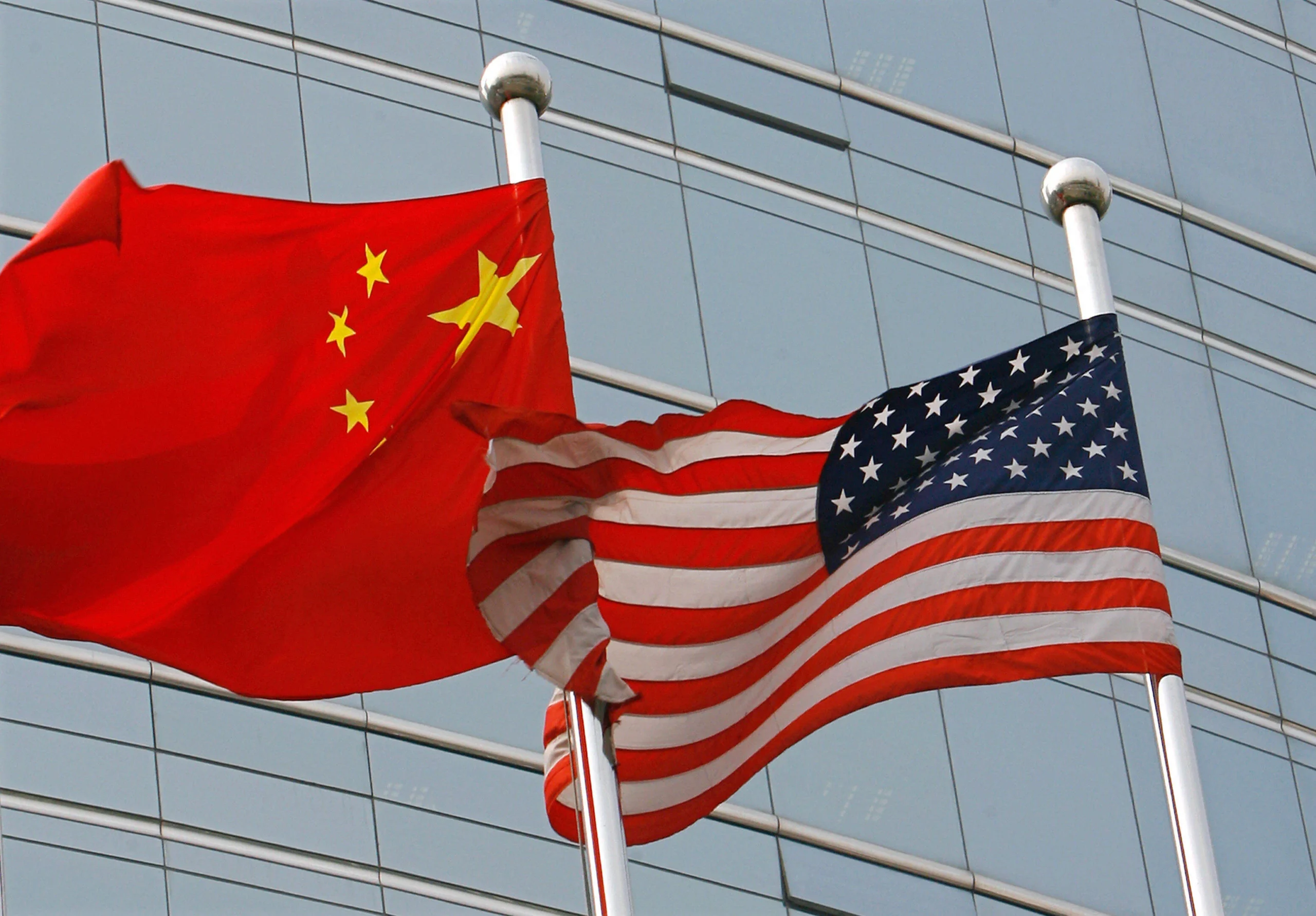
China Shock Narrative Exaggerates Economic Impact
The “China Shock” debate focuses on job losses from imports. However, many economists argue this view tells only part of the story.
What Is the China Shock?
The “China Shock” describes how cheaper imports replace local products. For example, goods produced in Guangzhou can enter global markets at lower prices.
This shift can reduce demand for locally made goods. As a result, some workers lose their jobs.
Hidden Benefits of Cheaper Imports
Lower-cost imports also create clear advantages. Businesses that rely on imported materials reduce production costs. This helps them compete more effectively.
Consumers benefit as well. They can buy clothes, electronics, and furniture at lower prices. This increases their purchasing power.
Many political discussions ignore these gains. They highlight job losses but overlook cost savings.
Why the Narrative Is Popular
Job losses create strong emotional reactions. People notice factory closures more than price reductions.
In the United States, politicians respond to affected communities. Regions that lose jobs often show strong opposition to trade.
Donald Trump used this issue to gain support. He promoted tariffs and local manufacturing.
Tariffs and Their Real Cost
Economists argue that tariffs act like a tax. Studies from the Federal Reserve Bank of New York show that consumers pay most of the cost.
Higher tariffs increase prices for imported goods. This reduces the benefits of global trade.
Geopolitics and Public Perception
China’s rapid growth has raised concerns in the US. Many see it as a strategic competitor.
Political leaders often highlight external threats. This approach builds unity but can distort economic facts.
Social and Economic Factors
Some communities feel left behind by globalization. Low wages and job losses increase frustration.
These conditions make it easier to blame foreign competition. However, the causes are often more complex.
Conclusion
The “China Shock” narrative highlights real job losses. However, it ignores key economic benefits.
A balanced view shows both risks and rewards. This approach leads to better policy decisions.
Read More Articles:
Pakistan-China MoU Boosts Livestock Modernisation Sector