

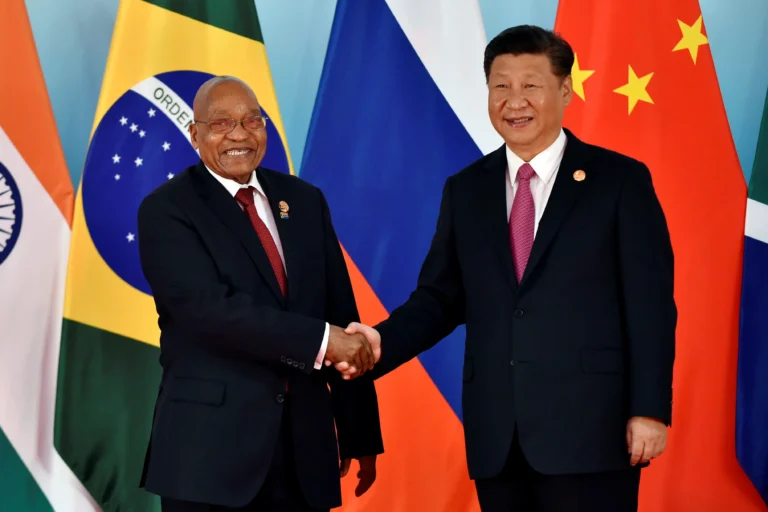
China and South Africa have jointly introduced a new initiative aimed at supporting Africa’s modernization efforts, signaling a shift in how developing nations view growth in the 21st century. The framework highlights that modernization is not limited to Western pathways; instead, nations can design strategies based on their own priorities and social realities. Chinese modernization is being recognized as a practical reference point, particularly for countries seeking flexible development models.
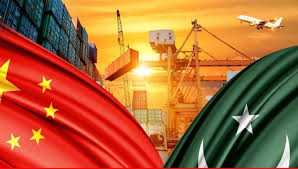
The initiative also challenges Western narratives that often portray China–Africa engagement as a geopolitical contest. Instead, both partners emphasize that cooperation is rooted in economic needs such as infrastructure, skills development, industrial capacity, and technology transfer. China–Africa trade and investment have expanded significantly in recent decades, supporting supply chains, manufacturing hubs, and employment opportunities across the continent.
A key theme of the new initiative is resilience. With global protectionism rising, African economies benefit from diversified partnerships that help them manage external shocks and sustain long-term growth. The cooperation model aims to strengthen local capabilities while promoting stable, mutually beneficial economic ties. According to both sides, the initiative represents a pathway toward sustainable modernization that goes beyond zero-sum competition and focuses on practical progress.
Related stories: