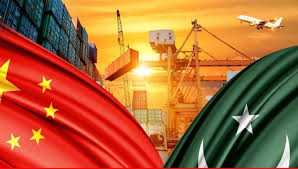

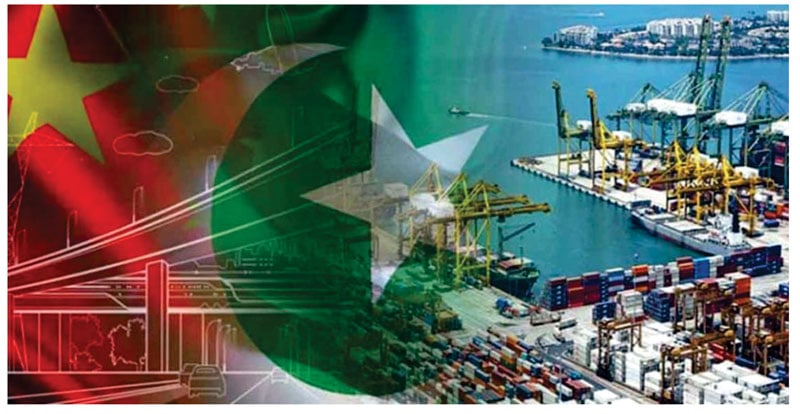
The China-Pakistan relationship has long focused on strategic cooperation, economic development and connectivity. However, another dimension is gaining greater importance: people-to-people understanding.
Through the Belt and Road Initiative (BRI) and the China-Pakistan Economic Corridor (CPEC), cultural cooperation is expanding beyond traditional exchanges. It now includes education, language, media, digital communication, tourism, arts and youth engagement.
As a result, CPEC is becoming more than an infrastructure and economic corridor. It is also developing into a corridor of culture, ideas and friendship between the people of Pakistan and China.
People-to-People Connectivity Through CPEC
The BRI places strong emphasis on people-to-people connectivity alongside economic and physical links. Cultural, academic, educational, media and youth exchanges can strengthen public understanding and support for bilateral cooperation.
Pakistan and China have also consistently recognized cultural exchanges as an important part of their relationship. CPEC has given this cooperation fresh momentum.
The CPEC framework includes people-to-people exchanges and promotes Chinese and Pakistani culture and heritage through film, drama, theatre and other forms of cultural expression.
Language Builds Stronger Cultural Links
Language remains one of the most powerful tools of cultural diplomacy. Learning another language introduces people to its history, literature, traditions and ways of thinking.
Chinese language education has expanded significantly in Pakistan. Universities, language centers and Confucius Institutes have played an important role in this growth.
Institutions such as the National University of Modern Languages (NUML) and the University of the Punjab have helped promote Mandarin learning. Their programs offer students opportunities to develop language skills and gain a deeper understanding of Chinese society.
The Confucius Institute at the University of the Punjab, for example, offers beginner, intermediate and advanced Chinese courses, along with HSK preparation.
Cultural Exchange Is Becoming Two-Way
Cultural cooperation between Pakistan and China is increasingly moving in both directions. Chinese universities and academic institutions have expanded opportunities to study Pakistan, Urdu and South Asian culture.
Meanwhile, Pakistan Studies centers and Urdu-related programs are developing in China. Academic institutions are also working on translating Urdu literature into Chinese and Chinese literature into Urdu.
This two-way exchange makes cultural diplomacy more meaningful. Both societies can learn about each other while also sharing their own traditions, experiences and perspectives.
Digital Media Creates a New Cultural Bridge
Digitalization has opened new opportunities for Pakistan-China cultural cooperation. Today, people can explore another country’s history and culture without leaving their homes.
A Pakistani student can watch a Chinese documentary, follow a Chinese lecturer or learn Mandarin through an online platform. Similarly, Chinese audiences can discover Pakistani music, food, literature, television, tourism and everyday life through digital media.
Young people are especially important in this changing environment. In 2025, Pakistan and China discussed expanding media exchanges, journalist and content creator exchanges, digital engagement and the wider distribution of Chinese content in English and Urdu.
These initiatives can give CPEC a stronger human dimension. They can also make bilateral cooperation more accessible to younger generations.
Joint Storytelling Can Strengthen Understanding
Pakistan and China have an opportunity to develop joint cultural storytelling projects. Documentaries, podcasts, short videos and online exhibitions can highlight the experiences of ordinary people.
Students, entrepreneurs, artists, journalists and communities connected to the bilateral relationship can all contribute to these stories.
Furthermore, joint projects can showcase the shared experiences created through education, trade, tourism and CPEC-related development.
Music, dance, theatre, calligraphy, film festivals and art exhibitions can provide additional opportunities for cultural interaction.
Expanding Cultural Tourism
Cultural cooperation can also support tourism between the two countries. Pakistan and China share historical links through ancient trade routes and the wider Silk Road heritage.
Joint tourism programs could connect historical sites, cultural festivals and heritage destinations in both countries. Such initiatives would allow visitors to experience the history and traditions that connect the two societies.
CPEC can provide a platform for greater interaction among universities, provincial cultural institutions, youth organizations and local communities.
Building a Stronger Cultural Exchange Ecosystem
The next phase of cooperation should develop a broader ecosystem for cultural exchange.
First, Pakistan and China can establish more joint digital platforms in Chinese, Urdu and English. These platforms could showcase languages, traditions, history and contemporary life in both countries.
Second, universities can expand joint programs in Chinese studies, Pakistan Studies, translation, media and cultural industries.
Third, additional scholarships and short-term exchange programs could give students firsthand experience of each other’s societies.
Fourth, cultural cooperation can connect more closely with tourism. Joint Silk Road routes, cultural festivals and heritage programs could attract visitors from both countries.
Finally, greater support for film, animation, publishing and other creative industries could create new opportunities for young artists and content creators.
Youth Should Remain at the Center
Young people will play a central role in the future of Pakistan-China relations. Today’s students will become tomorrow’s researchers, entrepreneurs, journalists, diplomats and community leaders.
Providing young people with opportunities to learn each other’s languages can create lasting connections. Exchange visits, joint research and collaborative projects can strengthen these relationships even further.
Ultimately, cultural diplomacy becomes meaningful when people experience each other’s societies directly. Through education, language, media, tourism and youth exchanges, CPEC can continue evolving into a corridor that connects not only economies but also people and cultures.
CPEC as a Corridor of People and Culture
The future of CPEC will depend on more than infrastructure and investment. Strong people-to-people connections can give the partnership a deeper and more sustainable foundation.
As cultural exchanges continue to expand, Pakistan and China can build greater mutual understanding across generations. In this way, CPEC can serve not only as a corridor of economic opportunity but also as a lasting bridge between the cultures and people of the two countries.
Read More Articles:
Robotics Can Drive CPEC 2.0’s Digital Future