



If there were a Chinese edition of Eat, Pray, Love, Dali would sit high on the itinerary. For many Chinese, the name alone evokes wistful sighs and daydreams of alpine vistas and a slower, romanticized way of life. Yet long before Dali became a fixture on the backtracker trail in the 1980s, this remote mountain town in southwest China had been receiving weary travelers for centuries.
Picture a caravan coming into town: Ponies bowed under heavy loads, tea porters bearing bundles taller than themselves. After weeks traversing the network of trails now known as the ancient Tea Horse Road, the sight of Dali’s Three Pagodas rising beneath Mt. Cangshan signals a welcome pause, and, quite literally, a load off their shoulders. From here, their cargo will be borne by others, on a months-long relay carrying brick tea from Sichuan and Yunnan toward Lhasa, while Tibetan horses and other goods travel in the opposite direction.
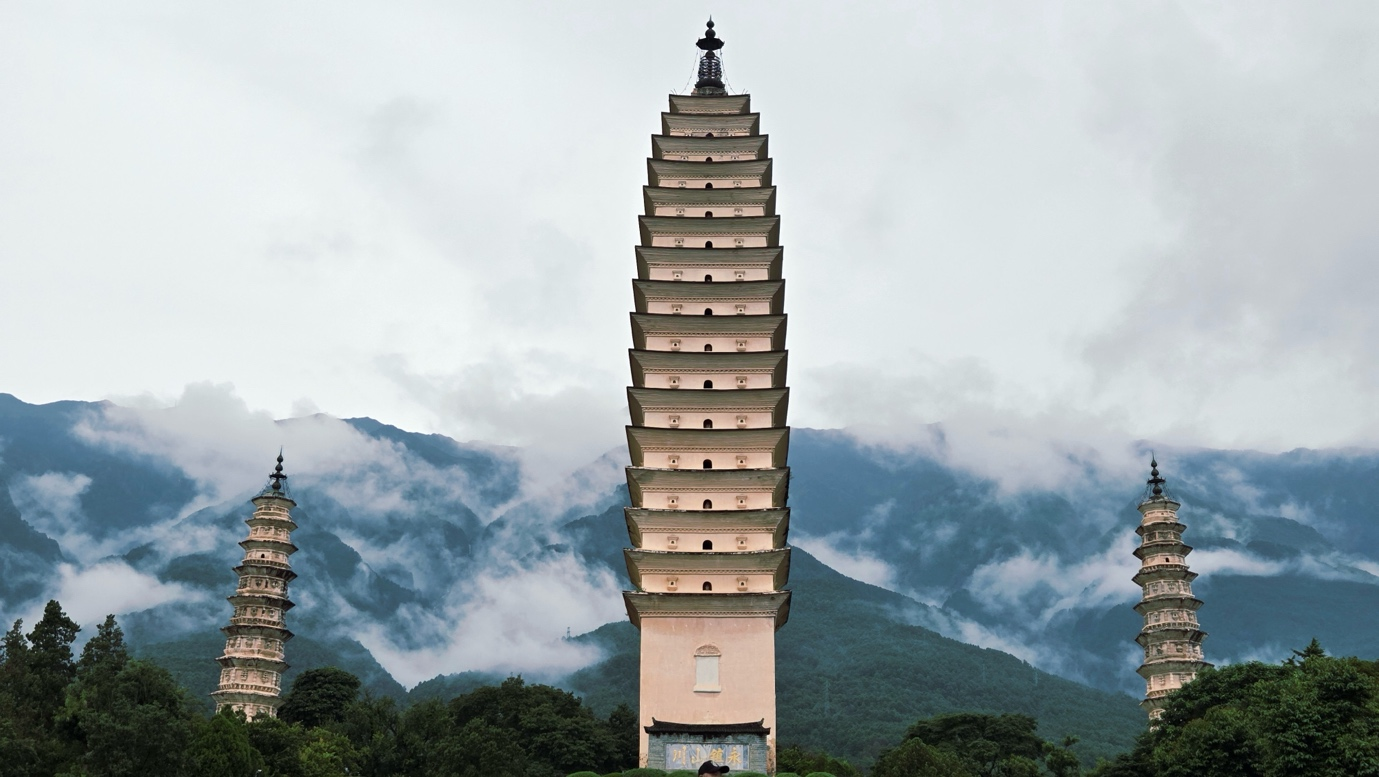
For centuries, Dali lay beyond the direct rule of the dynasties governing China’s Central Plains. Situated in a fertile plain between Mt. Cangshan and Erhai, an alpine lake twice the size of San Francisco, the region developed a distinctive culture of its own. From the eighth to thirteenth centuries, it was the capital of the Nanzhao and Dali Kingdoms, multiethnic states shaped by Buddhism, mountain trade and their position between inland China, the Tibetan Plateau, and Southeast Asia.
Today, brick tea has given way to bubble tea, and the cobblestone lanes of Dali’s walled ancient town are packed with tourists instead of porters. In the same way visitors to Tokyo might seek the thrill of Shibuya Crossing, you too may find it exhilarating to walk shoulder-to-shoulder with fellow travelers through this centuries-old commercial hub. Here, neon storefronts contrast with traditional grey-tiled roofs and white-washed walls, as shop clerks compete for your attention, pressing samples of freshly baked Yunnan rice crisps and flaky rose cakes into your hands. True to Dali’s history as a bustling marketplace, wherever you look, something is being sold. But veer off the main drag, and you’re immediately plunged into quiet residential alleys, where the murmur of conversation drifts through open windows as you pass.
In 2025, Dali Prefecture logged more than 120 million tourist visits. Around the certain spots in the old town and Erhai Lake, you can feel the scale of it: Tourists moonlighting as influencers queue in near-identical knitted shawls and tie-dyed skirts, while photographers and lighting assistants orchestrate poses outside chic cafés. At less than $5 (30RMB) for a professionally-edited photo, even the holiday snapshot has become a cottage industry.
Dali has also acquired a second identity as an escape hatch for urban China. Nicknamed “Dalifornia”, it’s attracted a sizeable population of creatives, freelancers and remote workers. For them, Dali offers an escape from the relentless pace of big city life and societal pressures to buy a house, buy a car, settle down and start a family. Inevitably, even the counterculture became part of Dali’s appeal.
So, what would an Eat, Pray, Love itinerary here look like? For one, Ms. Gilbert would have to get up early. At roughly 2,000 meters above sea level, Dali is cool enough in the morning to warrant a light jacket, even in August.
Start at the labyrinthine North Gate Market, its stone paving still damp with morning dew. Pick up a $1.5 (10RMB) bouquet of pastel-colored roses trucked in from Kunming, the provincial capital and home to Asia’s largest fresh-cut flower market. Then, turn to the fruit stalls: Prickly pears that taste like cucumber; mango-shaped egg fruit whose dense flesh tastes curiously like sweet, boiled egg yolk; and “August fruit”, which splits open as it ripens to reveal something resembling a peeled banana. If you still have room for breakfast, grab a bowl of springy rice noodles or savory pea porridge topped with cilantro, ground chili and chopped scallions.
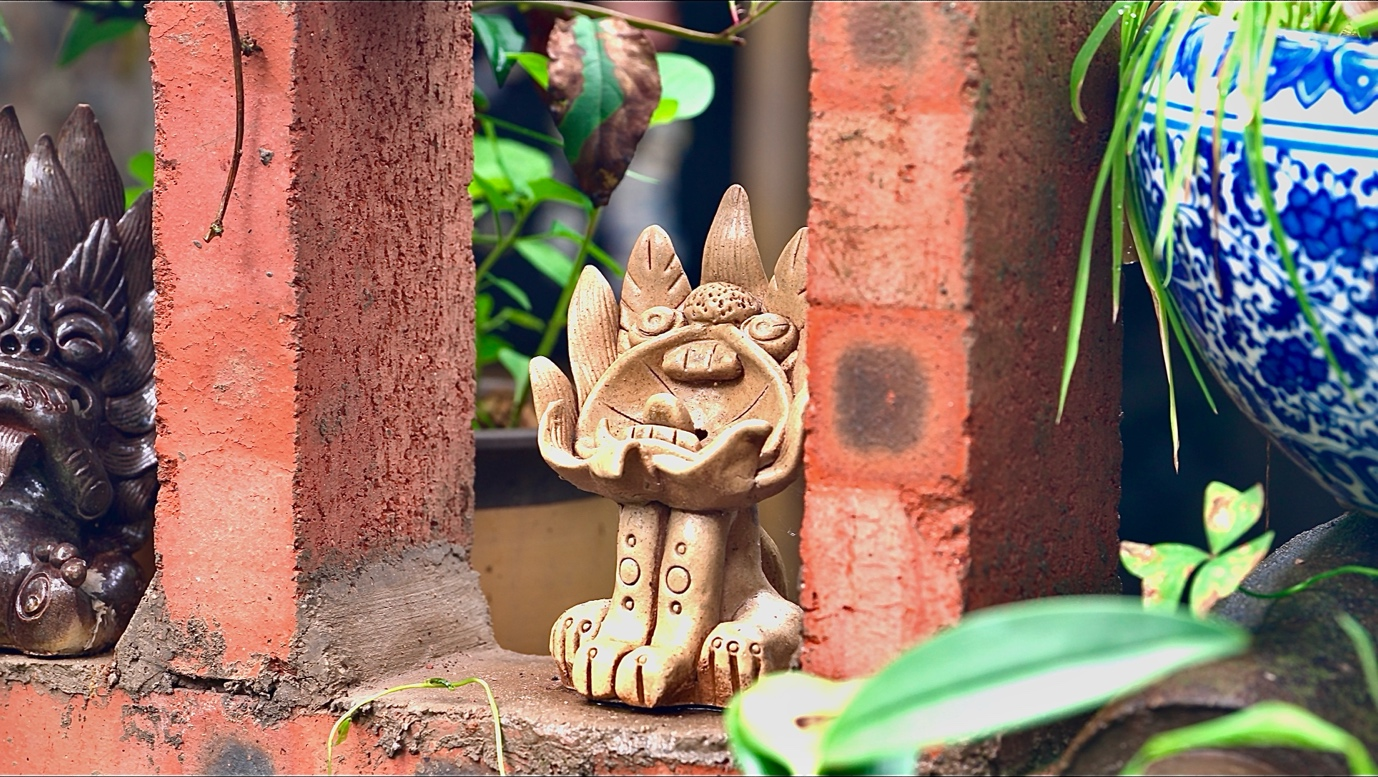
By 9 a.m. the tour groups arrive, but you’re already out hunting for hidden cafés, teahouses and boutique shops in Dali Old Town, or nearby Xizhou village. Order a pour-over made with Yunnan-grown beans – the province produces nearly all of China’s coffee, or sit down to a tea ceremony and consider how the humble leaf continues to shape life here, centuries after the caravans disappeared. Afterward, try your hand at the centuries-old Bai tradition of natural indigo tie-dying, or make your own “tile cat”, one of the open-mouthed clay guardians still perched on traditional rooftops.
[With their gaping mouths, tile cats are believed to keep misfortune at bay while bringing good luck to a household’s residents]
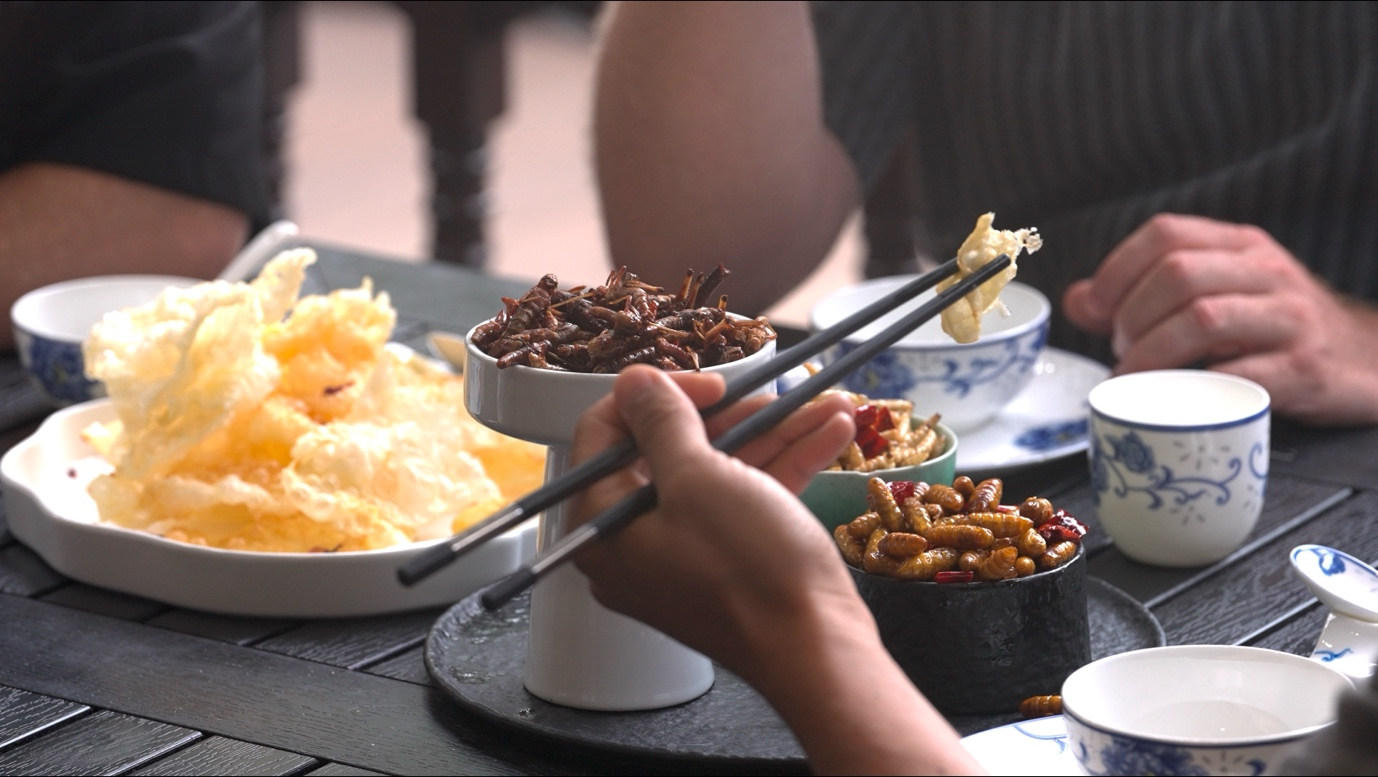
If you’re feeling adventurous, go foraging for fungi – but only with a knowledgeable local guide. Yunnan is home to around 900 species of edible wild mushrooms, roughly 90% of China’s known total, and from June to August, restaurants are packed with diners sampling the season’s freshest fungi in bubbling hotpots.
On the table comes a timer. Some restaurants even remove your chopsticks until it rings. While delicious, some mushrooms such as the Jian Shou Qing bolete, which turns cyan when bruised, contain toxins that require thorough cooking. Eaten improperly, they can cause vivid hallucinations, or worse. It’ll be the hardest 20 minutes you’ve ever had to wait for hotpot.
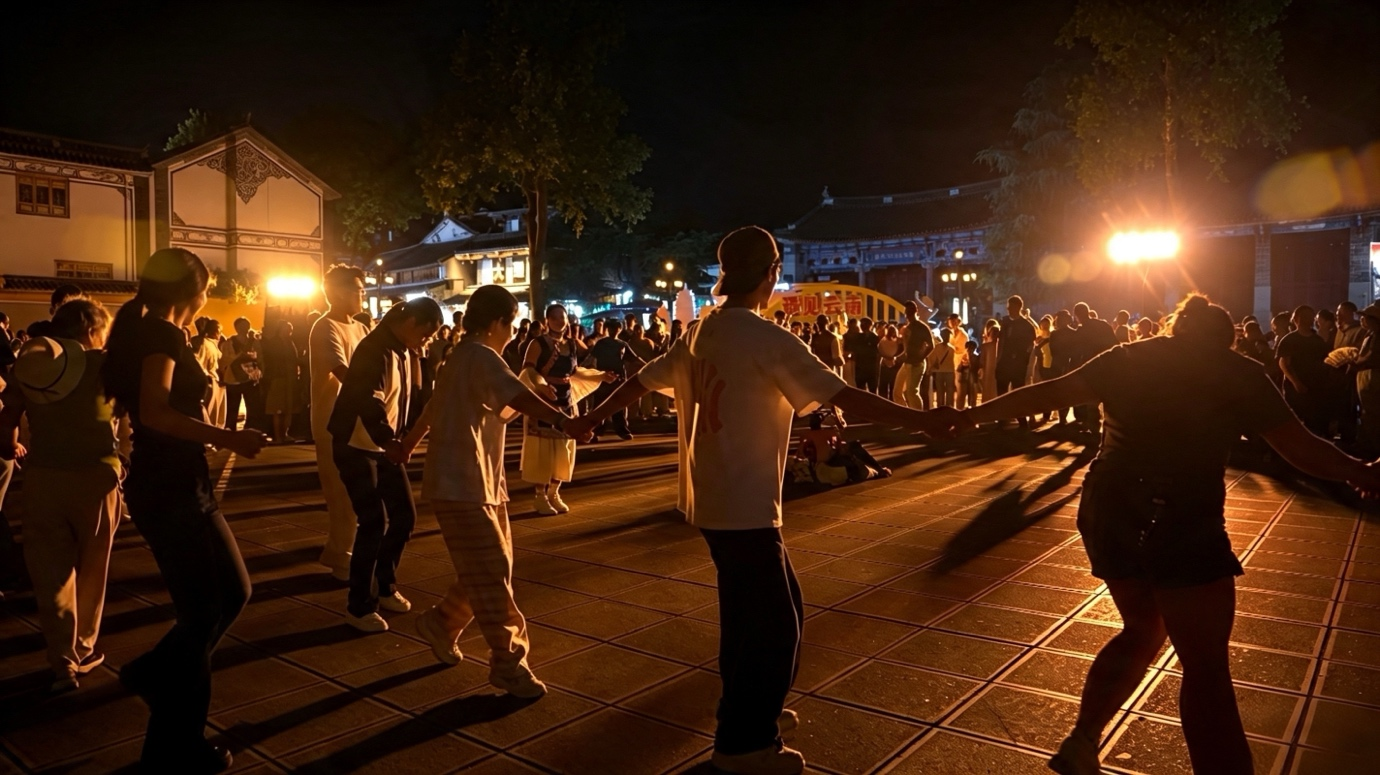
If restlessness eventually wins, Dali is also a natural jumping-off point for the old caravan country farther north, toward Lijiang, Shangri-La, and the snow-flecked valleys of the Hengduan Mountains. For the less outdoorsy among us, a good dance around the nightly bonfire in Dali Old Town will leave you just as breathless as a half-day hike, as you laugh, skip and swing hands with locals and tourists alike.
In the end, Ms. Gilbert travelled around the world to find herself. But what if the point of travel is to learn when to stop? Instead of checking off landmarks on an itinerary, perhaps all you need to do in Dali is find a quiet café or teahouse and watch Mt. Cangshan change color through the day, or admire the sunset as it dissolves across Erhai Lake.
Then you might understand why so many travelers arrive intending to pause for a night or two, and almost immediately wish they could stay longer. For Dali has always been a staging post – one that has tempted many a traveler to stop.
Tianran He hosts Travelogue, CGTN’s award-winning travel series telling the story of China through its culture, food and people. Over 16 years, the show has taken him to every province, from megacities to places far off the usual tourist trail. Episodes of Travelogue are available at youtube.com/@chinatravelshow
Read More Articles:
President, PM Reaffirm Youth Education Commitment