

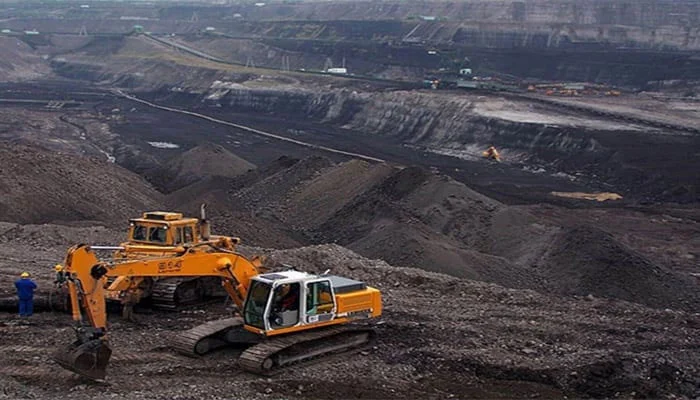
Pakistan expects to save over $3.2 billion during the next 26 years by converting the Jamshoro Unit-1 power plant to locally mined Thar lignite. A feasibility study presented to the Ministry of Energy on Tuesday confirmed the project’s technical feasibility and economic viability. The conversion will generate an estimated $2.1 billion in foreign exchange savings by reducing the country’s reliance on imported fuel.
The project delivers a cost-benefit ratio of 1.8 and creates total benefits of approximately $3.24 billion over its lifespan. These gains include lower generation costs, reduced financing expenses, and economic growth from expanded mining operations in the Thar region.
The initiative strengthens energy security while reducing the nation’s exposure to international coal price volatility and currency fluctuations. Federal Minister for Power Sardar Awais Ahmed Khan Leghari stated that this project aligns with the government’s energy reform agenda and indigenous resource strategy.
International consulting firm Dornier Group, with support from EY Parthenon, prepared the feasibility study. The experts concluded that Jamshoro Unit-1 can operate entirely on Thar lignite through targeted engineering modifications. This approach preserves existing infrastructure and minimizes capital costs, according to officials. The government plans to move into implementation readiness now that it has completed the feasibility phase. Next steps include regulatory approvals, engineering verification, procurement planning, and financing arrangements.
Read More Articles:
Gwadar Emerges as Future Regional Trade Hub