


The Center for Space Science and Technology (CSET) at Pakistan’s Institute of Space Technology (IST) has signed a formal Agreement of Collaboration with the School of Mechanical and Electrical Engineering at China’s Nanjing University of Aeronautics and Astronautics. The pact was officially finalized during a visit to Nanjing by IST Vice Chancellor, Maj Gen Dr. Syed Najeeb Ahmad (Retd). This partnership is designed to establish strong institutional linkages and facilitate a steady exchange of technical knowledge between the two nations.
Advancing Joint Engineering Research
According to an official statement released by IST, the newly formed alliance will focus on driving joint research initiatives and academic cooperation. Faculty and researchers from both institutions will collaborate closely on cutting-edge developments in aerospace, mechanical, and electrical engineering. By pooling their resources, both universities aim to fast-track innovation and create new academic opportunities for their engineering departments.
IST’s Expanding Academic Network
This collaboration marks a significant step forward in IST’s ongoing mission to broaden its international engagement. By partnering with a leading global institution like Nanjing University, the institute reinforces its commitment to promoting excellence in research, education, and innovation. The agreement sets a solid foundation for long-term academic growth, helping both universities elevate their profiles on the international stage.
Importing technology to developing solutions
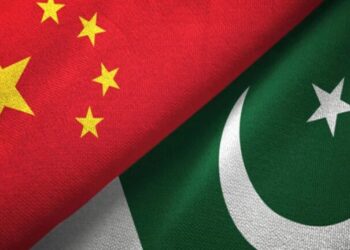
NUAA is widely recognized as a global leader in aerospace engineering, consistently ranking among the top three universities worldwide in this specific field. Partnering with them grants Pakistani researchers direct access to high-tier expertise, cutting-edge labs, and simulation technologies that would otherwise take years to develop independently. Therefore, this agreement serves as a concrete practical application of the long-standing Pakistan-China strategic alliance. It shifts the dynamic from purely importing technology to actively co-developing modern engineering solutions.
Read More Articles:
Gwadar Scholar Completes PhD in China